U.S. special envoy Steve Witkoff announced Tuesday night that the United States will mediate working-level talks between Russian and Ukrainian officials on Nov. 10 and 11. The discussions, scheduled to take place in Abu Dhabi, will address de-escalation, humanitarian efforts, and postwar security arrangements.
The announcement follows a series of U.S.-mediated negotiations during President Trump's second term. While these previous rounds have resulted in prisoner exchanges, the two sides remain at an impasse regarding territory. Russian President Vladimir Putin has maintained that Ukraine must accept Russia's annexation of seized lands, while Ukrainian President Volodymyr Zelenskyy has refused to recognize any seizure of territory by force.
The planned meetings in Abu Dhabi will involve technocrats rather than senior national leadership. In preparation, Witkoff stated that American negotiators are meeting with representatives from NATO and European allies, including France, Germany, and the United Kingdom. These discussions center on providing future security guarantees for Ukraine, a requirement cited by Zelenskyy for any potential peace agreement.
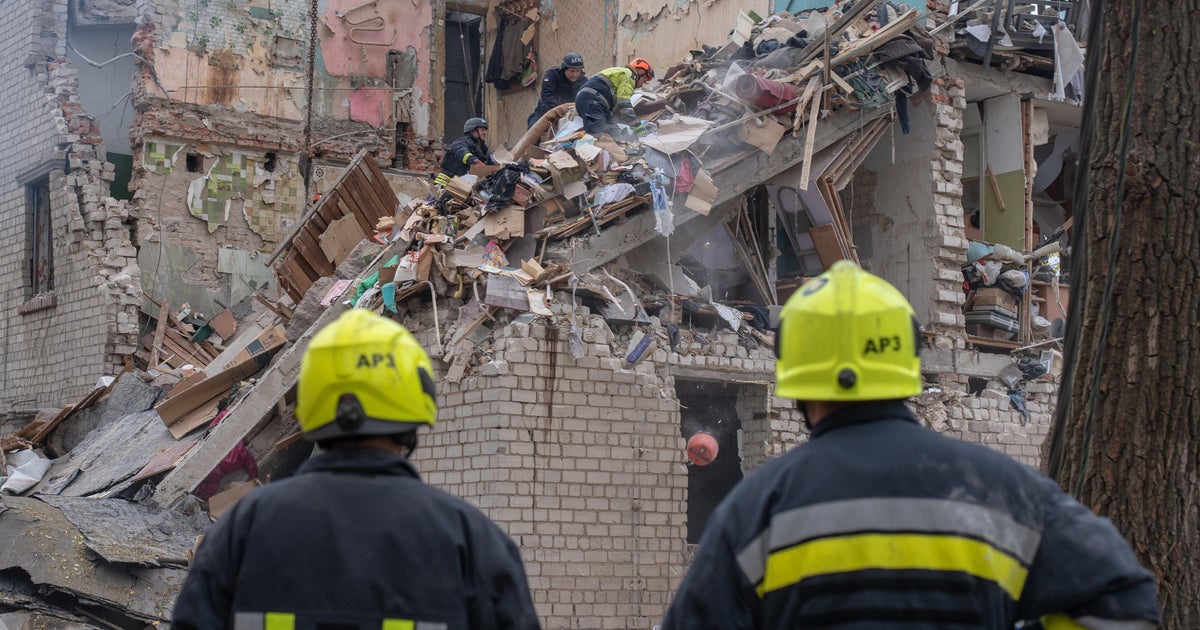
The outcome of these talks affects residents across Ukraine and Russia whose daily lives are defined by the conflict. On Tuesday, a strike on a Kharkiv medical facility forced the evacuation of 200 patients and wounded 25 people, while an airstrike in Zaporizhzhia killed at least 29 people. In Russia, the mayor of Moscow reported that 500 Ukrainian drones were destroyed overnight.
The mediation attempt follows a localized ceasefire in the Kherson region that ended on Sunday. This temporary truce, credited to U.S. first lady Melania Trump and Pope Leo, allowed for the movement of humanitarian supplies into the Russian-occupied city of Oleshky and the evacuation of residents. However, the resumption of strikes—including Russian attacks on energy facilities and port infrastructure in Odessa—indicates that localized agreements have not yet led to a broader cessation of hostilities.
What happens next depends on the November 10-11 meetings in Abu Dhabi. These talks represent an effort to establish a framework for what Witkoff described as a "durable peace agreement." While the U.S. continues to engage European allies on security guarantees, the disagreement over annexed territory remains a hurdle for negotiators. Further updates on the progress of these working-level talks are expected following the conclusion of the Abu Dhabi sessions.