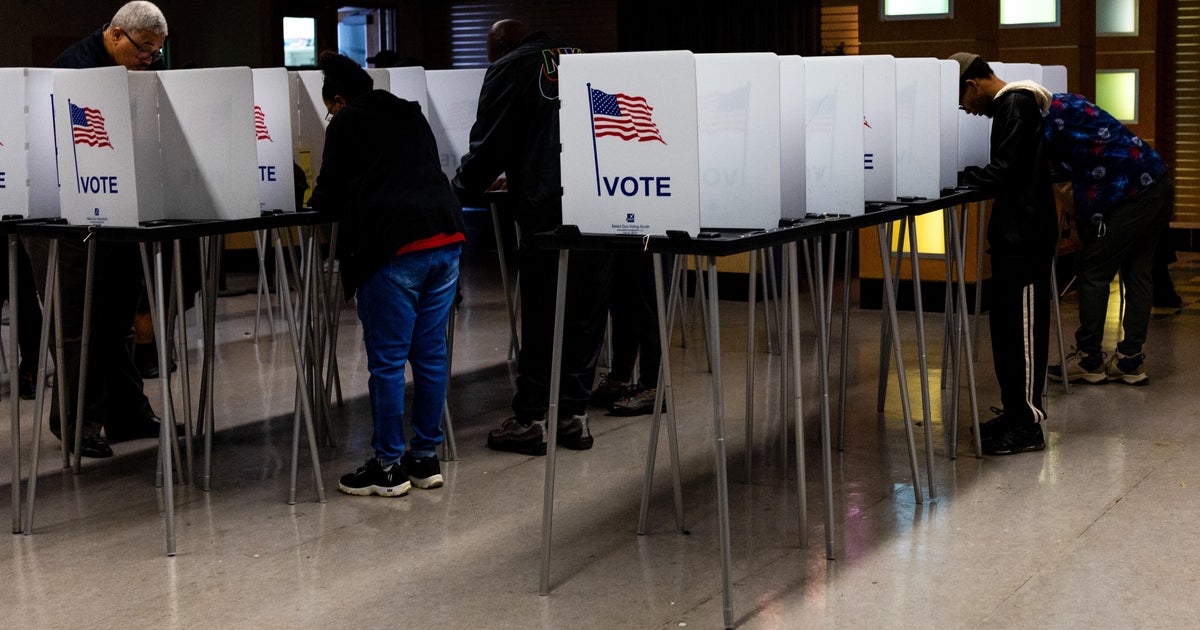
Voters in the United States participated in midterm elections on Tuesday, Nov. 3, to determine the composition of the next Congress and leadership in dozens of states. The elections included contests for all 435 seats in the House of Representatives, 35 seats in the Senate, and 36 governorships. Because these elections occur in the middle of a presidential term, they often serve as a referendum on the sitting president and the party currently in power.
Heading into the election, Republicans held a narrow three-seat majority in the House and a 53-47 majority in the Senate. Historically, the party in control of the White House has not gained House seats during midterms since 2002. Control of the House is expected to be influenced by competitive races in Pennsylvania, New York, Iowa, Arizona, Colorado, California, and South Texas. In the Senate, although 35 seats are contested, 11 battleground races are expected to determine which party holds the majority.
Key races included a Senate contest in Alaska where Democratic challenger Mary Peltola faced two candidates named Dan Sullivan, one of whom is the Republican incumbent. In Ohio, former Democratic Sen. Sherrod Brown sought to win the final two years of Vice President JD Vance’s term against Republican Sen. Jon Husted. Governors' races drew attention in Georgia, where Keisha Lance Bottoms faced Rick Jackson, and in Ohio, where Vivek Ramaswamy ran against Amy Acton. Voters also decided on ballot measures involving abortion rights, redistricting, and a proposed tax on billionaires in California.
Individual residents in specific states will notice changes to their legal rights and taxes. In California, Proposition 40 would implement a one-time 5% tax on billionaires, which supporters say would generate tens of billions of dollars for healthcare, food assistance, and education. In Idaho and Virginia, voters are deciding on new constitutional protections for abortion. Residents in Missouri are voting on whether to repeal existing reproductive freedom protections passed in 2024.
The election results also set the stage for the 2028 presidential cycle and future state governance. In Georgia, a win for Keisha Lance Bottoms would result in the first Black woman serving as a U.S. governor. In Iowa, the outcome of the race between Rob Sand and Zach Lahn will determine the leadership of the state for the first time since 2006. Furthermore, more than 40 local ballot measures across over a dozen states regarding data center zoning and construction will affect local communities. Final results depend on state certification deadlines and the start of the new congressional session in January.