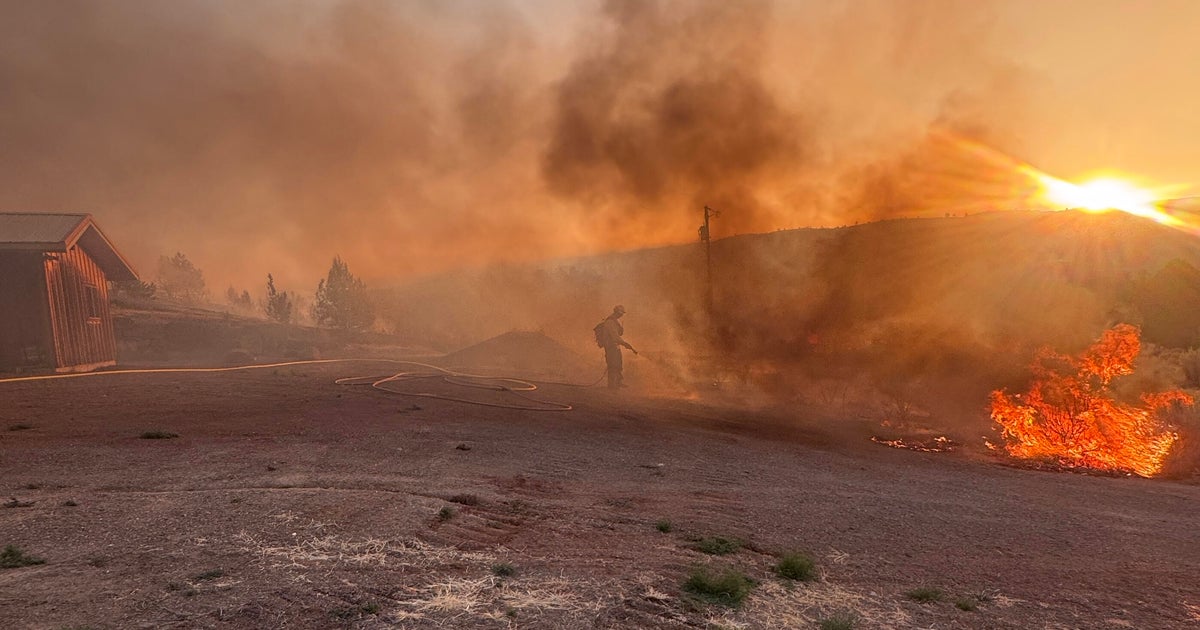
Firefighters and fire officials reported a nationwide shortage of personnel and equipment as the United States reached a record 8.5 million acres burned by wildfires so far in 2026. Data from the National Interagency Fire Center indicates this is the highest acreage burned by this point in the year since tracking began in 1983. At the peak of the season in August and early September, approximately 15,000 personnel were deployed to active fires, leaving agencies struggling to fill requests for new support.
The U.S. Forest Service reported that it employed 11,745 wildland firefighters as of August 17, but acknowledged this was not enough to meet the needs of the crisis. The agency stated it lacks the infrastructure and funding to support additional hiring. These shortages follow a period of staffing declines; federal employment data shows approximately 6,000 people left the Forest Service last year through buyouts and terminations, a 16% reduction following cuts under the Department of Government Efficiency.
While the Forest Service stated it has more operational firefighters than at any peak in five years, field personnel described logistical gaps. Current and former staff said the cuts primarily affected administrative employees who previously managed water supplies, land use authorizations, and equipment logistics. Justin Brown, a Nevada-based firefighter, stated that the loss of these support staff has made it difficult to surge resources and stand up incident management teams effectively.
Specific incidents have highlighted these resource gaps. During the Hawk Fire near Reno, Nevada, on August 22, federal dispatch centers rejected seven requests for "Super Scooper" aircraft and other tankers, labeling them "Unable to Fill." Over the course of a week, resource requests for that fire were rejected 45 times, including orders for helicopters, ambulances, and tactical support. In Washington, the Spokane Complex Fire destroyed nearly 900 structures as crews reported being reassigned to new fires while houses were still burning due to a lack of available backup.
The shortages affect wildland firefighters and residents in states like Colorado, Oregon, Washington, and Nevada. With 16% fewer staff at the U.S. Forest Service, frontline crews—sometimes consisting of three people per truck—are tasked with protecting multiple homes. In Nevada, firefighters reported that personnel shortages have forced them to choose between fighting a fire or managing evacuations. During the Hawk Fire, one responder reported waiting four hours for deployment while the fire reached residential areas.
The scale of the impact is reflected in the 8.5 million acres burned, an area larger than Maryland, affecting households through property loss and displacement. The Spokane Complex Fire destroyed nearly 900 structures. For residents in fire-prone regions, staffing levels mean that resources, such as air tankers that dump 1,600 gallons of water, may be unavailable when requested. The National Multi-Agency Coordinating Group described resource availability as "critically low," with intense competition for crews and equipment across multiple states.
The reorganization of fire resources remains a point of contention. The Trump administration established the U.S. Wildland Fire Service under the Department of the Interior to streamline operations, but some Forest Service employees described the move as a source of bureaucratic hurdles and anxiety. The Wildland Fire Service stated the new structure reduces administrative barriers, while critics within the field argue the transition has been rushed. As wildfire seasons evolve into year-round threats, fire agencies are reviewing recent responses, such as the Hawk Fire, to identify necessary changes. No specific dates for new funding or staffing increases were reported.