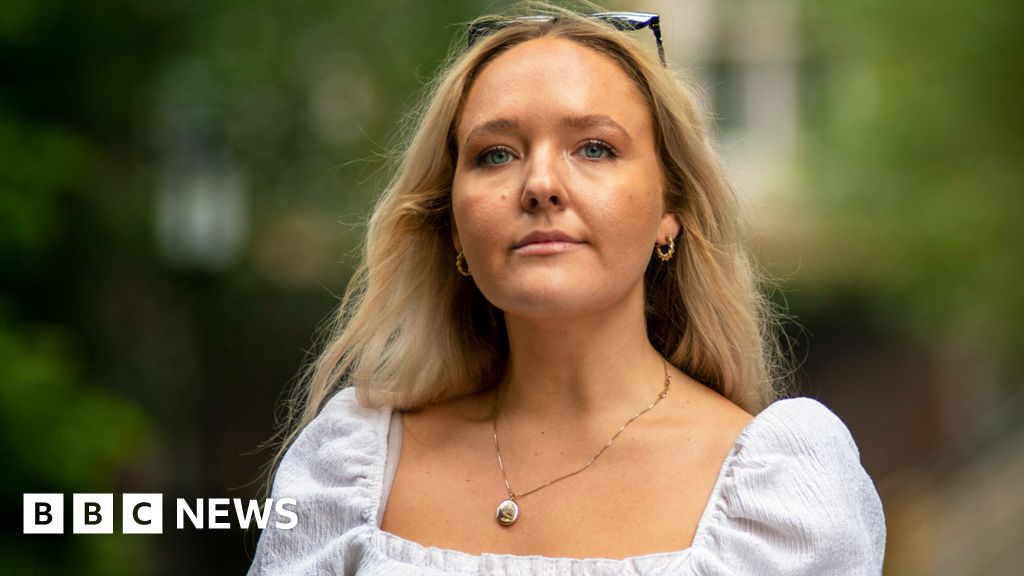
Kate Isaacs, founder of the #NotYourPorn campaign, reported that her likeness was manipulated using artificial intelligence to create a non-consensual sexually explicit video. Isaacs stated that footage from her televised interviews was used to overlay her face onto that of a performer in an adult film. The video was subsequently shared on Twitter, where Isaacs was tagged and subjected to threats and doxing, involving the publication of her home and work addresses.
The incident highlights a trend identified by cybersecurity firm Deeptrace, which reported that 96% of all "deepfake" videos are non-consensual pornography. While high-profile figures were formerly the primary targets, the technology is increasingly used against private individuals. A content creator interviewed by the BBC under the pseudonym Gorkem stated that there is a market for custom commissions, where individuals pay to have the likenesses of colleagues or acquaintances inserted into adult content.
Current legal frameworks in the United Kingdom vary by region regarding image-based sexual abuse. In Scotland, sharing intimate images without consent is a criminal offense. In other parts of the UK, prosecutors must currently prove an intent to cause distress. The UK government is in the process of developing the Online Safety Bill, which would grant Ofcom the authority to regulate websites enabling such content. Culture Secretary Michelle Donelan stated in October 2022 that the government is working to deliver the legislation to address these harms.