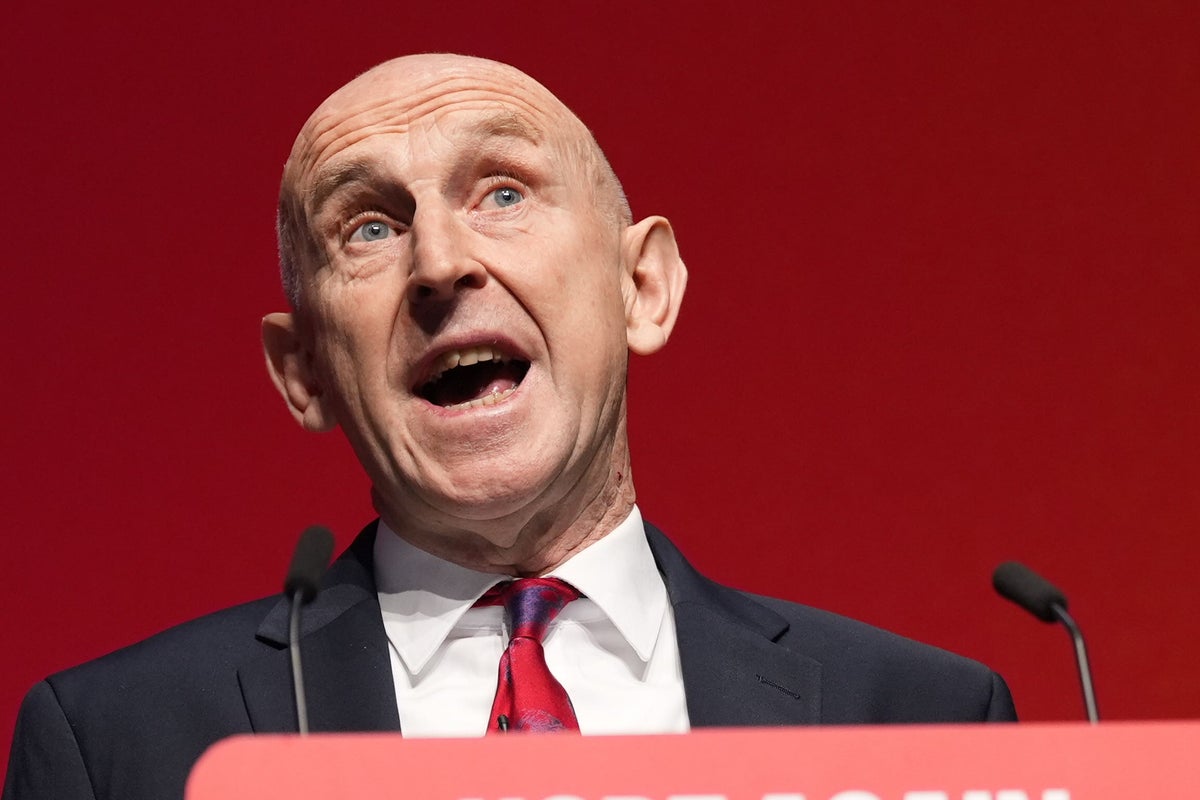
Chancellor of the Exchequer John Healey is reportedly considering a tax increase on the banking sector to be included in the upcoming October 28 budget. The proposal involves reversing a prior reduction in the bank profit surcharge, which was lowered from 8% to 3% under the previous Conservative government. The move is being considered as the government seeks to manage a budget deficit amid rising borrowing costs and global economic pressures linked to the conflict between the United States and Iran.
The potential tax change follows a period of high interest rates that have increased bank earnings while also raising mortgage costs for households. Trades Union Congress (TUC) General Secretary Paul Nowak stated that the UK’s four largest banks are earning approximately £1 billion per week. The TUC has requested that the surcharge be increased to 16%, a level they calculate would generate £24 billion in revenue over a four-year period.
Opposition to the proposal has come from the Conservative Party and business advocacy groups. Shadow Chancellor Andrew Griffith stated that a tax increase on financial services would stifle economic growth. Louise Hellem, chief economist at the Confederation of British Industry, argued that the banking sector already faces higher tax rates than international competitors and warned that further sector-specific taxes could weaken investment incentives.
The broader UK public would see the effects of this policy through its impact on the national budget. Chancellor Healey has indicated that government departments may not receive additional funding to cover pay increases for public sector workers, such as doctors and nurses, unless the government can pay for them within existing budgets. The Institute for Public Policy Research (IPPR) estimated that the Chancellor’s fiscal buffer has decreased by up to £15 billion since the spring, suggesting that these tax decisions will determine how much assistance the government can provide to households facing cost-of-living pressures.
The decision will set a precedent for how the Labour government balances sector-specific taxation against its goals for national competitiveness. While proponents argue the tax ensures banks pay a "fair share" of profits driven by high interest rates, critics warn it could lead to reduced domestic investment. The final details of the tax plan are expected to be confirmed during the budget announcement on October 28. The Treasury has declined to comment on specific proposals.