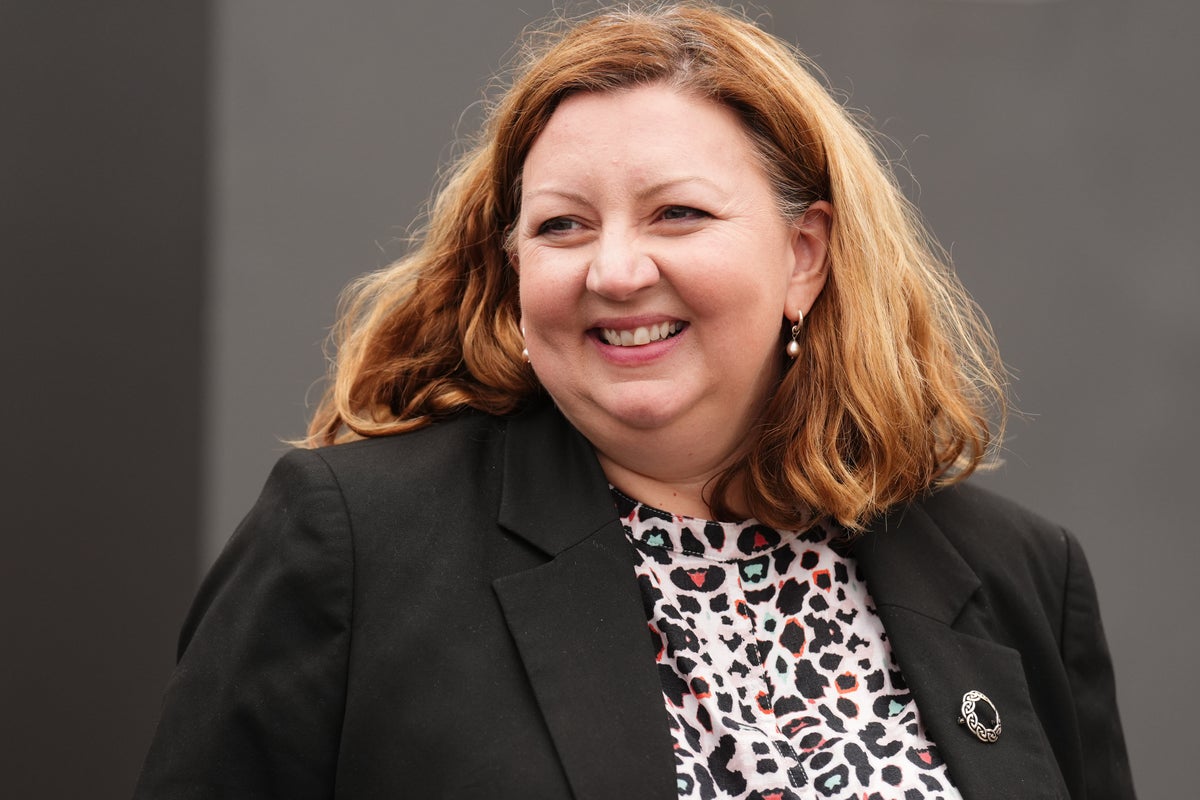
United Kingdom Minister for Development Kirsty McNeill stated this week that the government will adopt a "values-led" approach to foreign aid, focusing on saving and changing lives in partner countries. Speaking at an event hosted by the New Economics Foundation on Monday and testifying before the International Development Committee on Tuesday, Sept. 15, 2026, McNeill addressed the moral purpose of development spending.
McNeill, who was appointed to the role following Prime Minister Andy Burnham’s election in July 2026, is a former advisor to Gordon Brown and a veteran of non-governmental organizations like Save the Children. She reaffirmed the government's commitment to eventually spending 0.7% of Gross National Income (GNI) on aid, a target set in the Labour manifesto, provided fiscal conditions allow for the increase.
The minister confirmed she will maintain aid allocations set by her predecessor, Baroness Jenny Chapman, whose tenure saw the aid budget reduced from 0.5% to 0.3% of GNI. McNeill noted the government will continue to focus on multilateral institutions like the World Bank and the United Nations, and will adhere to an Africa strategy announced in December 2025.
For residents in the UK and overseas, the specific change will be felt in the delivery of services like clean water, immunizations, and food access. The government has dedicated £15 million to support communities anticipating the impacts of El Niño. While McNeill emphasized that development and climate are central to British foreign policy, the development minister no longer holds a seat in the cabinet, a status McNeill said she accepts as long as the Foreign Secretary represents these interests at the highest level of government.
The policy sets a precedent for how the UK balances fiscal constraints with international commitments. The decision to stay at 0.3% GNI for now, while signaling a "values-led" approach, will be tested during upcoming international summits. The public and non-governmental organizations will look to the Autumn Budget for any further changes to spending levels. Next steps include the UK prioritizing development at the UN General Assembly next week, followed by the World Bank-IMF Autumn meetings and the COP climate conference in Turkey this November.