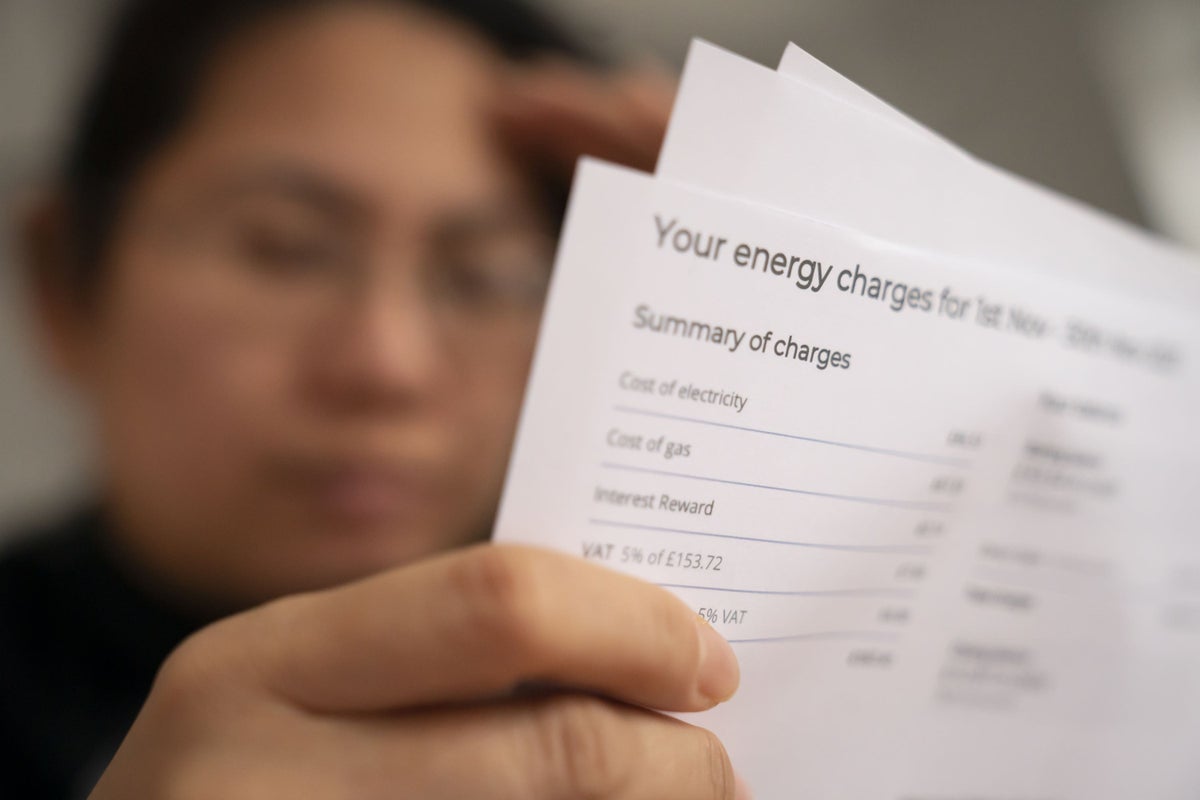
Energy debt in the United Kingdom has reached a record £6 billion, according to data from the trade body Energy UK. The organization reports that more than three million customers are currently in debt or arrears, with the average amount owed standing at approximately £1,800. These figures, based on arrears unpaid for more than 30 days, follow a 5 per cent increase in debt and arrears reported by the regulator Ofgem during the first quarter of 2026.
The increase in debt levels occurs as the energy price cap is scheduled to rise by 4 per cent on 1 October 2026, increasing from £1,668 to £1,723. Energy UK forecasts that domestic energy debt could reach £7 billion by the end of the year, while industry projections suggest the price cap could rise by an additional £400 in January. Ofgem's official figures, which track arrears older than 90 days, placed combined debt and arrears at £4.79 billion earlier this year.
Research indicates that debt levels vary significantly across different demographics. The End Fuel Poverty Coalition found that 14.3 per cent of single-parent families and 9.5 per cent of Black, African, Caribbean, and Black British households are behind on bills. Additionally, 6.6 per cent of households with a disabled person are in arrears, compared to 1.9 per cent of households without a disabled person. StepChange, a debt charity, reported that average energy arrears among its clients rose to £2,673 in the first half of 2026.
Specific groups face distinct challenges based on their housing and financial status. Renters and homeowners receiving means-tested benefits may qualify for the £150 Warm Home Discount, but others may see a direct reduction in their disposable income as prices rise. The industry is currently calling for the implementation of a long-delayed Debt Relief Scheme (DRS) to assist those who accumulated debt during the 2022-2024 energy crisis. Advocacy groups like Energy UK and the End Fuel Poverty Coalition are requesting that this scheme be funded by energy company windfalls rather than through further increases to consumer bills.
The situation has also prompted calls for structural changes to how energy is priced for low-income residents. Disability Rights UK and other groups are advocating for an energy social tariff, which would lower the unit price of energy for eligible households. This differs from a "social discount" proposed by Energy UK, which would provide a flat sum off a bill. What happens next depends on government and regulatory decisions regarding these proposals; while the price cap increase is set for 1 October 2026, the implementation of the Debt Relief Scheme remains delayed due to legislative roadblocks and data-sharing issues required to identify eligible participants.