The Plain Record

Neutral daily news — clear headlines, complete facts.

National

UK eye specialists issue warning on potential vision damage following solar eclipse

Health experts are warning of solar retinopathy symptoms, including central blind spots and blurred vision, following Wednesday's solar eclipse.

Published August 13, 2026 at 7:57 AM EDT

The short answer

Health experts are warning of solar retinopathy symptoms, including central blind spots and blurred vision, following Wednesday's solar eclipse. Eye specialists are advising the public to monitor their vision for signs of damage following a solar eclipse that occurred on Wednesday. Experts from Moorfields Eye Hospital in London stated that staring at the sun without specialized protection can lead to solar retinopathy, a condition where…

UK eye specialists issue warning on potential vision damage following solar eclipse

The Facts

Who
Alexander Ionides (Moorfields Eye Hospital) and UK eye experts
What
Health warning regarding solar retinopathy symptoms following an eclipse.
When
Thursday morning following Wednesday's eclipse
Where
United Kingdom and Europe
Why
Looking at a solar eclipse without specialized protection can cause painless retinal damage that may not be apparent for several hours.

Timeline of what happened

Key dates and decisions, in the order they occurred.

  1. August 11, 1999

    Total solar eclipse leaves 70 people in the UK with vision damage

  2. August 12, 2026

    Partial solar eclipse visible across the UK and Europe

  3. August 13, 2026

    Eye experts report fewer hospital inquiries compared to 1999 event

Eye specialists are advising the public to monitor their vision for signs of damage following a solar eclipse that occurred on Wednesday. Experts from Moorfields Eye Hospital in London stated that staring at the sun without specialized protection can lead to solar retinopathy, a condition where bright light and ultraviolet radiation damage cells in the retina responsible for sharp central vision. Because the retina lacks pain receptors, individuals may not realize damage is occurring until symptoms develop several hours after exposure.

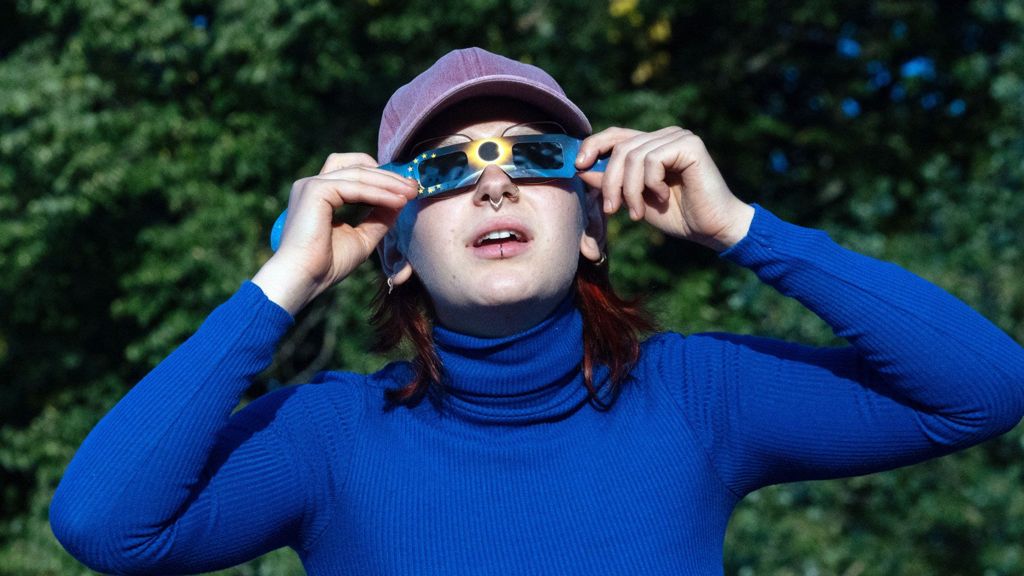
The warning follows a partial eclipse visible in the United Kingdom and Europe. During the last total solar eclipse visible in the UK in 1999, approximately 70 people sustained permanent sight damage, many after looking at the sun for less than a minute. Health officials had advised the use of genuine, specially designed solar eclipse glasses prior to the event, noting that standard sunglasses do not provide sufficient protection.

Consultant eye surgeon Alexander Ionides reported that symptoms typically manifest within a few hours of exposure. Key indicators of potential damage include blurred vision, a central blind or dark spot, and increased sensitivity to light. Other reported symptoms include eye pain, redness, grittiness, or sudden changes in sight. Ionides noted that while Moorfields Eye Hospital was "inundated" with concerned patients after the 1999 eclipse, the facility has seen fewer inquiries the morning after this latest event.

On a practical level, people who suspect they have sustained damage will notice a gray, yellow, or dark spot in the center of their visual field. These changes may not be accompanied by pain, meaning individuals must rely on visual cues rather than physical discomfort to identify a problem. Those experiencing these symptoms are advised to seek medical attention from local opticians or hospital eye units. Opticians can perform retinal scans to confirm the presence of solar retinopathy and determine the extent of the damage to the back of the eye.

The incident serves as a test of public health messaging regarding eye safety. If the lower number of hospital visits reported by Moorfields continues, it may indicate that more viewers adhered to safety guidelines than in previous decades. For the healthcare system, the immediate impact involves increased demand for retinal scans and emergency eye consultations in the days following the event. Residents who believe their vision has changed should contact an optician or a local eye casualty department immediately for assessment.

Summaries are written by The Plain Record to state the facts of a story plainly and without political slant. See our editorial standards, or report a correction.

← Back to the front page

Questions readers ask

What happened: UK eye specialists issue warning on potential vision damage following solar eclipse?

Eye specialists are advising the public to monitor their vision for signs of damage following a solar eclipse that occurred on Wednesday. Experts from Moorfields Eye Hospital in London stated that staring at the sun without specialized protection can lead to solar retinopathy, a condition where bright light and ultraviolet radiation damage cells in the retina responsible for sharp central vision.

Who is involved?

Alexander Ionides (Moorfields Eye Hospital) and UK eye experts

When did this happen?

Thursday morning following Wednesday's eclipse

Where did this happen?

United Kingdom and Europe

Why does this matter?

Looking at a solar eclipse without specialized protection can cause painless retinal damage that may not be apparent for several hours.