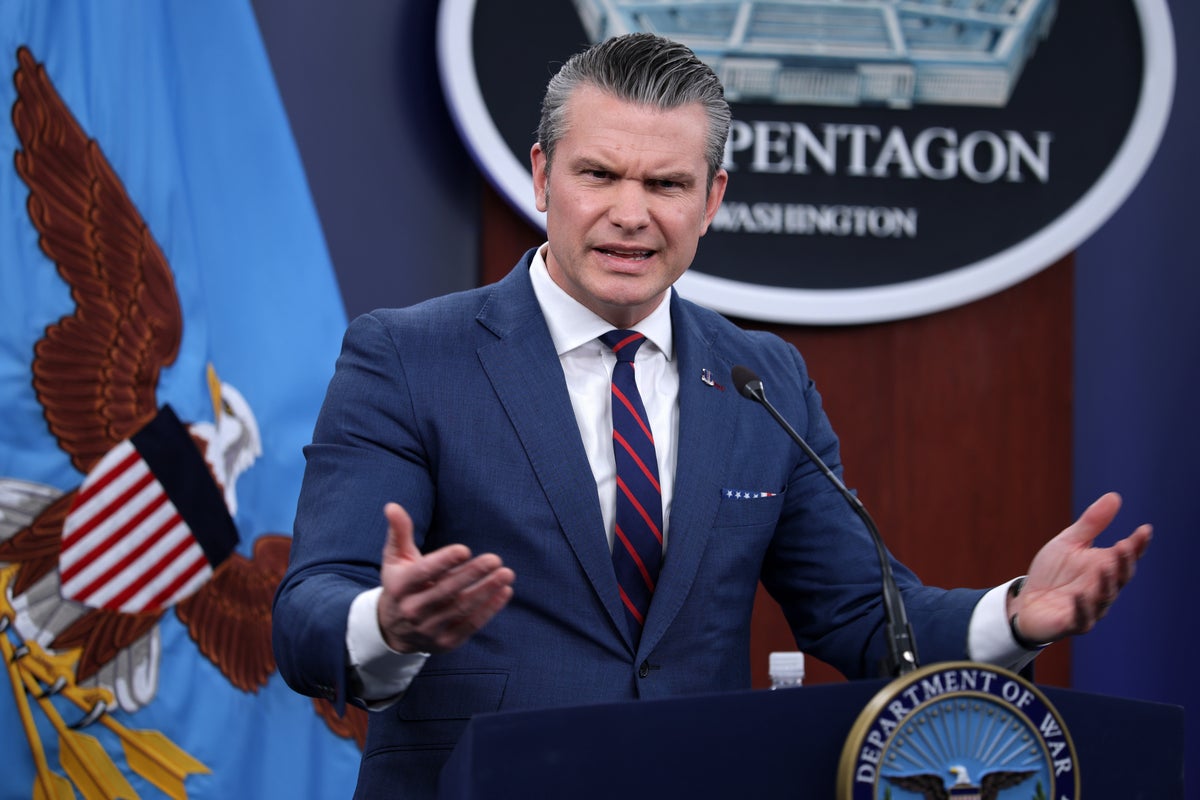
United States Secretary of Defense Pete Hegseth suggested that only a small number of nations provided significant military contributions during the war in Afghanistan. Speaking to U.S. Army cadets about his time serving as a captain, Hegseth said that while approximately 50 flags flew at the headquarters in Kabul, "maybe five" countries contributed and "one or two" were involved in kinetic operations toward the end of the conflict. He added that personnel joked the acronym for the International Security Assistance Force (ISAF) meant "I Saw Americans Fighting."
The comments follow previous remarks by President Donald Trump, who earlier in 2026 suggested that North Atlantic Treaty Organization (NATO) allies "stayed a little back" from the front lines. The United States remains the only nation to have invoked Article 5 of the NATO treaty, which established a collective defense response following the September 11, 2001, terrorist attacks.
A spokesperson for 10 Downing Street responded on Monday, October 19, stating that "the facts speak for themselves" regarding the United Kingdom's role. The spokesperson said it is "wrong to diminish" the contributions of British personnel, noting that more than 450 British service members died during the conflict. The spokesperson described these sacrifices as part of a collective effort to uphold security following the attack on a NATO ally.
According to the charity Help for Heroes, more than 1,100 non-U.S. coalition fighters died in the war, which began in 2001. The majority of these fatalities were from NATO member states. The United Kingdom recorded the second-highest number of military deaths among coalition partners, following the United States, which lost more than 2,300 service members.
While President Trump previously praised "the great and very brave soldiers of the United Kingdom" following a phone call with Prime Minister Keir Starmer, these new comments from the Secretary of Defense indicate an ongoing debate over the coalition's roles. No further formal meetings or policy changes were reported as of October 19, but the U.K. government continues to maintain its stance that the factual record of troop deployments and casualties remains the definitive measure of their contribution.