The Plain Record

Neutral daily news — clear headlines, complete facts.

Politics

UK political leaders expand social media presence as primary communication tool

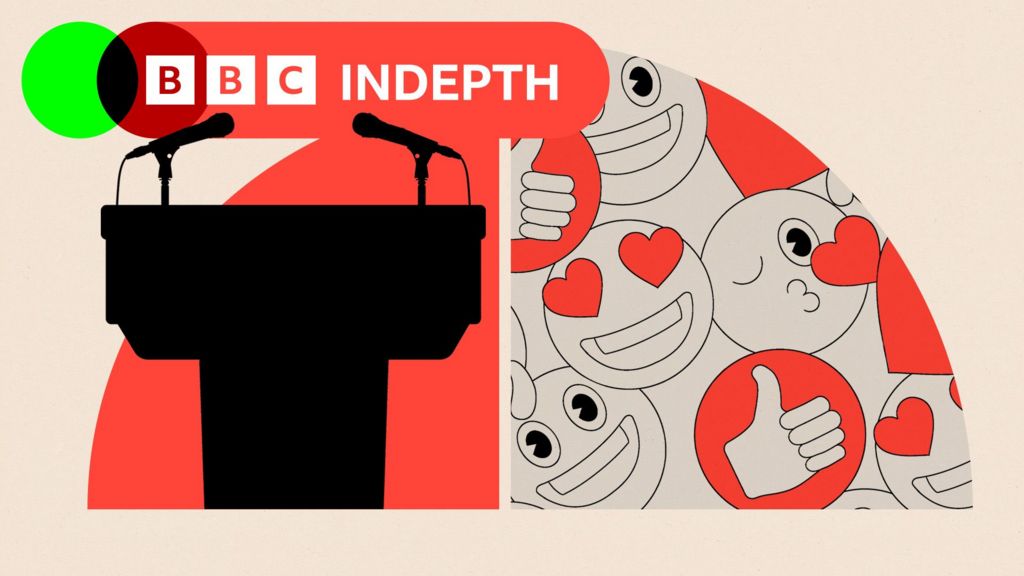
UK political leaders and parties are expanding their digital teams and social media presence to reach voters directly through memes, TikToks, and viral clips.

Published August 19, 2026 at 8:57 PM EDT

The short answer

UK political leaders and parties are expanding their digital teams and social media presence to reach voters directly through memes, TikToks, and viral clips. British political figures and parties are increasingly utilizing social media platforms such as TikTok and Instagram to engage directly with voters.

UK political leaders expand social media presence as primary communication tool

The Facts

Who
Prime Minister Andy Burnham, Nigel Farage, Kemi Badenoch, Zack Polanski, and digital strategists.
What
Expansion of social media use by UK politicians and government offices.
When
August 2026 and previous years dating back to 2013.
Where
United Kingdom (Downing Street, Manchester, and Wales).
Why
To engage with the majority of voters who now access news through social media platforms rather than traditional media.

Timeline of what happened

Key dates and decisions, in the order they occurred.

  1. 2013

    David Cameron's Twitter account creates controversy by 'favouriting' a crude tweet.

  2. 2015

    Conservative Party wins election; David Cameron says Britain and Twitter are not the same.

  3. 2019

    Boris Johnson hires digital strategists to run election campaign.

  4. May 2026

    Green Party leader Zack Polanski apologizes for sharing a post on police actions.

  5. July 2026

    Polanski faces criticism for a collaboration appearing to incite violence.

British political figures and parties are increasingly utilizing social media platforms such as TikTok and Instagram to engage directly with voters. Prime Minister Andy Burnham, in his first month in office, posted more than 50 times on Instagram, featuring a mix of high-level diplomatic meetings and informal content, such as ranking pub snacks with Chancellor John Healey. The government has expanded its digital presence by recruiting producers and strategists to work in Downing Street and Manchester offices.

This shift toward digital-first communication follows a period where previous leaders expressed skepticism about social media. Former Prime Minister David Cameron remarked in 2015 that "Britain and Twitter are not the same thing" after winning an election despite a large online movement supporting his opponent. Similarly, former Prime Minister Theresa May reportedly rebuffed suggestions to join Twitter, preferring formal press statements under the government coat of arms.

Current party leaders maintain varying levels of digital reach. Reform UK leader Nigel Farage holds the largest online audience among UK leaders, with 7.6 million followers across five platforms. Conservative leader Kemi Badenoch has gained attention for viral clips challenging government policy, while Green Party leader Zack Polanski has faced criticism for personal posts and collaborations, leading to debates over the risks of leaders managing their own accounts.

The scale of this effort involves substantial public and party resources. Major parties now command a combined 4 million followers on Facebook and 3.2 million on X (formerly Twitter). Strategists are focusing on platforms like TikTok, where single videos from the Prime Minister have reached up to 5 million views. For individual citizens, this change is noticeable in the style of political communication; instead of formal announcements, voters may see their representatives participating in viral "memes" or long-form podcast interviews, intended to foster a sense of authenticity.

However, researchers and observers note that the long-term effectiveness of these tactics is not yet proven. Emma Connolly of the Digital Speech Lab at UCL stated there is no strong evidence that social media content can transform the opinions of opponent or undecided voters. As the government transitions from its initial "honeymoon" phase, observers are monitoring whether these digital tools will remain effective during more difficult periods, such as economic cuts or international crises. The next phase of this development will likely be defined by how these digital strategies adapt to the requirement of winning substantive policy arguments.

Summaries are written by The Plain Record to state the facts of a story plainly and without political slant. See our editorial standards, or report a correction.

← Back to the front page

Questions readers ask

What happened: UK political leaders expand social media presence as primary communication tool?

British political figures and parties are increasingly utilizing social media platforms such as TikTok and Instagram to engage directly with voters. Prime Minister Andy Burnham, in his first month in office, posted more than 50 times on Instagram, featuring a mix of high-level diplomatic meetings and informal content, such as ranking pub snacks with Chancellor John Healey.

Who is involved?

Prime Minister Andy Burnham, Nigel Farage, Kemi Badenoch, Zack Polanski, and digital strategists.

When did this happen?

August 2026 and previous years dating back to 2013.

Where did this happen?

United Kingdom (Downing Street, Manchester, and Wales).

Why does this matter?

To engage with the majority of voters who now access news through social media platforms rather than traditional media.