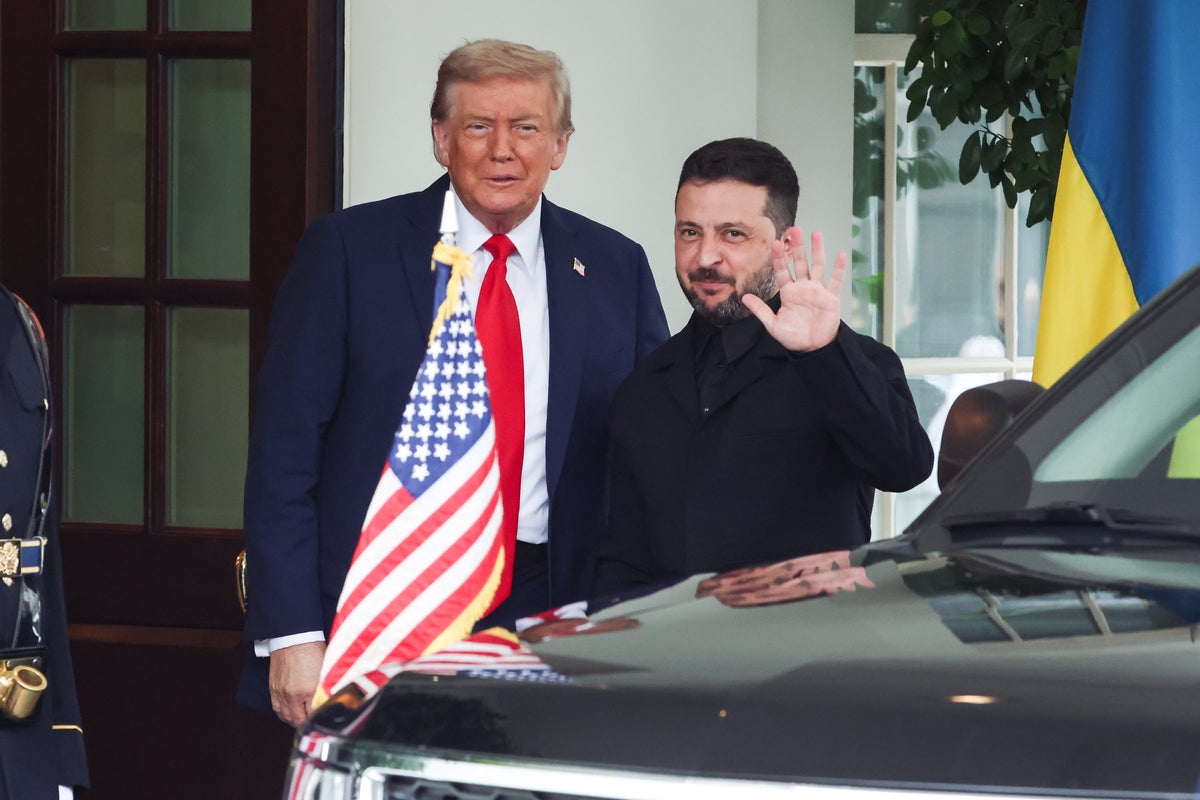
Ukrainian President Volodymyr Zelensky announced that Kyiv will no longer adhere to a proposed ceasefire on energy targets after Russian air attacks continued to strike Ukrainian power stations. President Donald Trump announced on Sunday, October 11, 2026, that both nations had agreed to halt attacks on energy infrastructure. Following the announcement, Ukraine suspended strikes on Russian refineries, but Zelensky told the Financial Times that the restriction on Ukrainian retaliatory strikes is now finished because Russia continued its offensive, leaving hundreds of thousands of people without power.
The disagreement over energy strikes coincides with new limitations on SpaceX’s Starlink technology within Ukraine. Starlink provides broadband internet used for government and military communications. Officials in Kyiv reported that military-grade receptors stopped functioning when mounted on fast-moving objects, which interfered with drone guidance systems. Additionally, Ukrainian officials stated they have stopped receiving warnings from Western allies regarding incoming Russian missiles, a service that relies on U.S. satellite detectors.
SpaceX owner Elon Musk and White House sources have denied responsibility for the Starlink restrictions. Musk stated on the social media platform X that Starshield systems are controlled by the U.S. government and that any usage limits are decided by the U.S. military and the President. He clarified that Starlink is a commercial service limited to civilian or defensive activities. However, Zelensky described the outage as a policy decision rather than a technical issue, stating in an interview with Piers Morgan that he felt "betrayed" and that the shutdown would lead to deaths.
For the Ukrainian government and military, the loss of reliable Starlink connectivity on fast-moving objects directly impacts combat missions. An adviser to Zelensky reported that several missions failed on Tuesday, October 13, 2026, due to these limitations. The rift also affects international relations, as Polish Foreign Minister Radoslaw Sikorski, whose country pays for Ukraine’s Starlink subscription, questioned Musk's motives. The shift in U.S. policy regarding Russian diesel exports also drew criticism from European Union diplomat Kaja Kallas, who reminded Washington that Russia initiated the conflict.
The situation remains fluid as both diplomatic and technical disputes continue. Zelensky’s decision to resume strikes on Russian refineries marks a departure from the ceasefire terms proposed by the U.S. administration just days prior. While Musk has stated that Starlink terminals will not be turned off entirely or used as a bargaining chip, the current limitations on high-speed usage remain in place. Further developments are expected as Ukraine responds to ongoing missile strikes and the U.S. proceeds with its planned diesel acquisition.