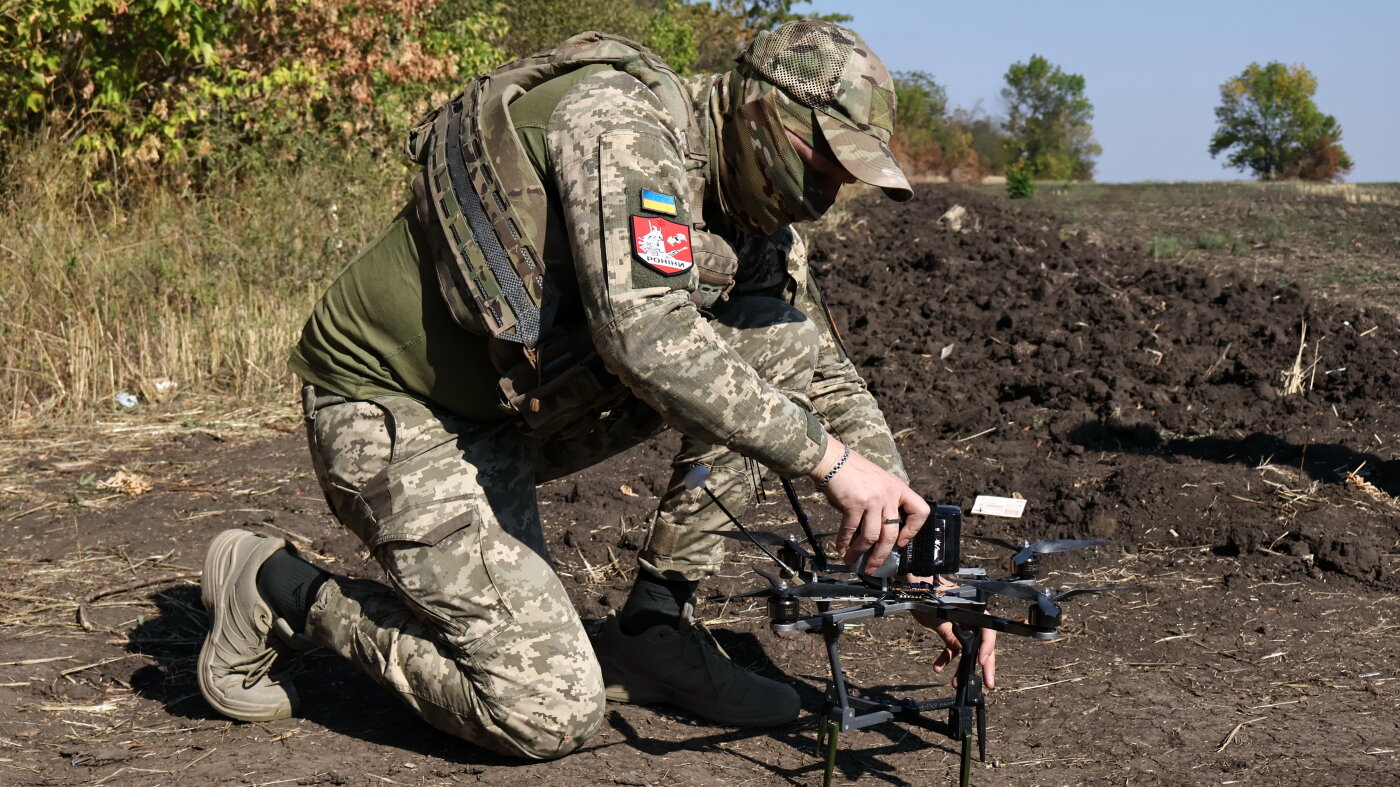
Ukrainian forces launched more than 1,000 drones at Russian territory overnight, according to officials on Sunday. The operation occurred during the final day of Russia's three-day parliamentary elections and included hundreds of drones directed at the Russian capital. Moscow Mayor Sergei Sobyanin characterized the event as the largest drone attack on the city to date.
The strikes follow more than four years of conflict since the Russian invasion of Ukraine. While fighting has slowed along the 780-mile front line in eastern and southern Ukraine due to the prevalence of drones and robots, both nations have increased long-range aerial attacks. Ukraine has utilized domestically produced technology to conduct strikes deep inside Russian territory, aiming to pressure the Russian government into peace negotiations.
In the Moscow region, Governor Andrei Vorobyov reported that the attack killed two people—a 44-year-old woman and a 74-year-old man—and wounded 20 others. Mayor Sobyanin stated that 450 drones were destroyed while approaching the capital, though debris caused damage to a residential building and the Moscow Oil Refinery. The Russian Ministry of Defense reported a total of 1,100 drones were shot down across the country, as well as over the Black Sea and Crimea, a peninsula Russia annexed in 2014.
Ukrainian President Volodymyr Zelenskyy stated on social media that the operation involved various missiles and drones, including the Ukrainian-made Flamingo and Pelican missiles. Zelenskyy noted that the strikes targeted oil and logistics facilities to disrupt the financial resources supporting the Russian military. The Russian government conducted its parliamentary elections not only within its borders but also in Crimea and four Ukrainian regions annexed after the war began; Kyiv has denounced the voting in these occupied territories as illegal.
On a per-household level, residents in affected residential areas of Moscow faced immediate physical danger and property damage overnight. The use of over 1,000 drones in a single night demonstrates the increased capacity of Ukraine's domestic arms industry, specifically its long-range Flamingo and Pelican missiles. This technology allows Ukraine to bypass the stalemated 780-mile front line, forcing Russian air defense systems to protect internal cities rather than just front-line positions. The timing of the attack during the first wartime parliamentary elections suggests an effort to demonstrate the Kremlin’s inability to fully insulate the domestic population from the war's effects.
The knock-on effects include potential shifts in international defense markets, as Ukrainian drone technology has reportedly drawn interest from global governments. Furthermore, the inclusion of annexed regions in the Russian vote establishes a legal and political precedent that Kyiv and international observers have rejected, potentially complicating future peace negotiations. With Russian President Vladimir Putin showing no signs of halting the invasion, the immediate future involves continued escalations in long-range aerial strikes. The final results of the parliamentary elections, which lacked significant opposition candidates, are expected to be formalized following the close of polls on Sunday.