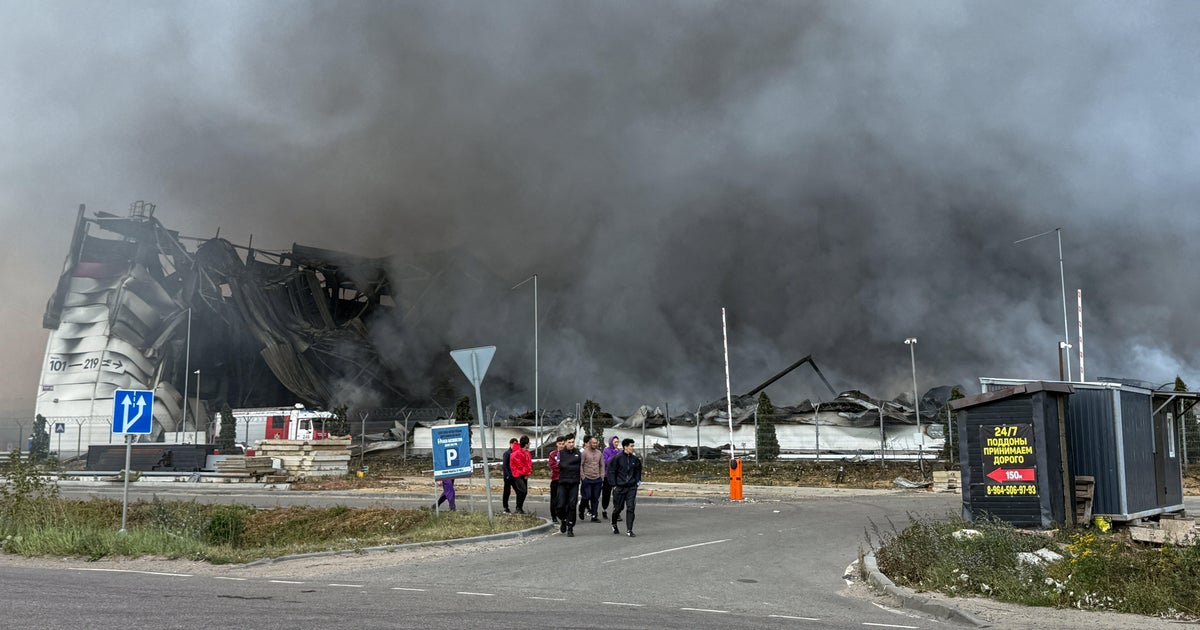
Ukraine launched more than 600 drones at Moscow in an overnight operation, according to Moscow Mayor Sergei Sobyanin. The mayor described the event as one of the largest long-range aerial assaults on the Moscow region since the conflict began more than four and a half years ago. The attack, which reportedly began on a Tuesday evening and lasted through Wednesday morning, resulted in fires at commercial facilities and several reported injuries, though no fatalities were confirmed by Russian authorities.
The strike comes amid a period of intensified Ukrainian operations targeting Russian logistics. Ukraine's Ministry of Defense reported that recent attacks have targeted facilities owned by Wildberries, Russia's largest online retailer. Over the past month, these operations have reportedly disabled seven of the company's 10 largest logistics centers. Concurrently, Russia conducted an overnight strike on the city of Pechenihy in Ukraine's Kharkiv region, which President Volodymyr Zelenskyy said killed 10 people.
Russian officials stated that 637 Ukrainian drones were launched during the Moscow operation, with 180 intercepted in the Moscow region and 150 more shot down elsewhere. In the aftermath, the Russian embassy in London issued a warning to the United Kingdom, claiming that debris found in Russia proved British-made drones were used in deep-strike missions. The embassy stated that London would "pay a price" for its involvement, accusing the U.K. of escalating the conflict.
The scale of the military aid provided by the U.K. involves a commitment to deliver 120,000 drones to Ukraine throughout the current year. This package includes intelligence, reconnaissance, and long-range strike capabilities. For the U.K. government, the continued supply of these systems represents a significant financial and diplomatic commitment to Ukraine's defense. British Prime Minister Andy Burnham stated that the U.K. remains committed to providing the equipment Ukraine needs to defend itself, while a Ministry of Defense spokesperson said the government stands against Russian aggression.
The use of foreign-made technology for strikes deep inside Russian territory creates a precedent for increased friction between Russia and NATO members. While Ukraine produces the majority of its own attack drones, the confirmed presence of British drone debris has led to official Russian threats against London. This tension could lead to shifts in how international partners manage the delivery and usage restrictions of long-range weapons. In the coming months, Ukraine's former defense chief suggested the country could begin using its own domestically produced ballistic missiles, potentially further changing the nature of long-range engagements. No specific dates for future diplomatic meetings or court proceedings regarding these strikes were reported.