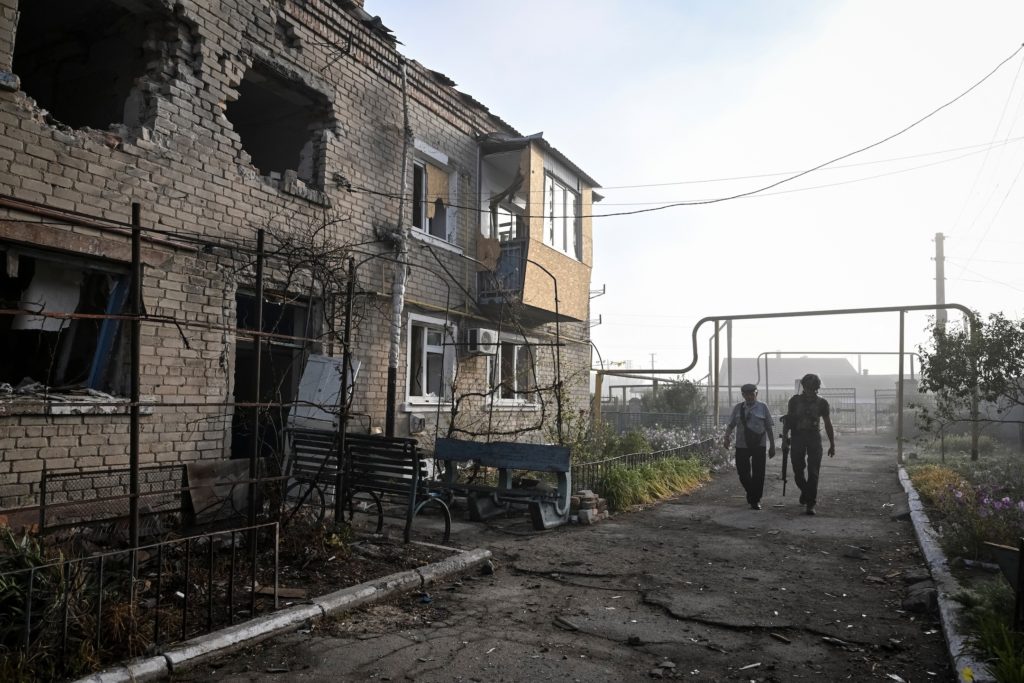
Ukraine reported that a recent Russian aerial assault involved several missiles and approximately 168 drones. According to Ukrainian officials, the strikes resulted in the deaths of at least 17 civilians and left more than 40 others injured. The attack targeted various locations across the country, though specific infrastructure damage was not detailed in initial reports.
The incident occurred as Ukrainian forces continue to seek enhanced defensive capabilities against long-range aerial threats. Retired U.S. Army Colonel Robert Hamilton, who was present in Kyiv during the strikes, stated that such actions reflect a deliberate strategy by Russian forces. The Ukrainian government has consistently reported civilian casualties and damage to residential areas since the conflict began.
In the aftermath of the attack, Ukrainian President Volodymyr Zelenskyy issued a public appeal to international allies. He specifically requested that partner nations replenish Ukraine's stockpile of Patriot interceptors, which are specialized surface-to-air missile systems used to shoot down incoming aircraft and missiles.
For individual households in Ukraine, these strikes translate into immediate threats to life, property, and the stability of the power grid. A shortage of Patriot interceptors, as highlighted by President Zelenskyy, could leave major cities more vulnerable to future salvos, potentially increasing the frequency of casualties and the duration of emergency alerts. The request for aid underscores the dependency of Ukrainian defense on continuous logistical and financial support from allies, particularly as stockpiles are depleted by high-volume drone swarms.
The outcome of this appeal will likely influence the defense posture of NATO allies and the pace of military aid deliveries in the coming months. If allies do not replenish the interceptor stocks, Ukraine may be forced to prioritize which regions or assets receive protection. A timeline for the delivery of new Patriot systems was not reported, but the Ukrainian government has indicated that the need for these defensive tools is urgent to prevent further civilian loss. Furthermore, the characterization of these strikes by military analysts as a deliberate strategy suggests that similar large-scale aerial operations may continue.