Ukrainian forces resumed drone attacks on Russian oil refineries on Thursday, Oct. 15, 2026, ending a three-day pause. A strike targeted a refinery in Russia's Ryazan region, roughly 180 miles southeast of Moscow, causing a fire confirmed by both the Russian Defense Ministry and Ryazan Governor Pavel Malkov. Ukrainian President Volodymyr Zelenskyy told the Financial Times in an interview published Thursday that he had authorized the resumption of these strikes, stating, "We're done" regarding the brief pause.
The escalation follows friction between Kyiv and U.S. President Donald Trump. On Sunday, Oct. 11, Trump announced an "energy ceasefire," demanding both sides halt attacks on energy infrastructure. While the Ukrainian government said it initially heeded the request, it accused Russia of continuing aerial bombardments against the Ukrainian power grid. Simultaneously, Trump reached an agreement to import Russian diesel, a move Zelenskyy said would allow Russia to sustain its invasion.
Ukrainian officials reported that their defensive capabilities were recently hampered by restrictions on technology. Zelenskyy and other officials stated that SpaceX's Starlink satellite terminals experienced sudden speed limits and motion restrictions starting Tuesday, Oct. 13. Elon Musk, CEO of SpaceX, stated on social media that the U.S. military and President Trump control the military version of the system. Additionally, Ukrainian sources told CBS News that the U.S. failed to provide the usual advance warnings for Russian ballistic missile strikes on Tuesday, which U.S. officials reportedly attributed to "bad weather."
The scale of the conflict's current phase is marked by high-volume aerial warfare. On Thursday, Zelenskyy reported that Russia launched more than 850 drones at Ukraine, hitting 15 regions. The Ukrainian Air Force reported intercepting 536 of these, though impacts were recorded at 31 locations. European and Ukrainian officials told CBS News that the Trump administration warned it could halt the purchase of U.S.-made weapons for Ukraine by European allies through the PURL procurement system if Ukraine did not cease strikes on Russian energy facilities.
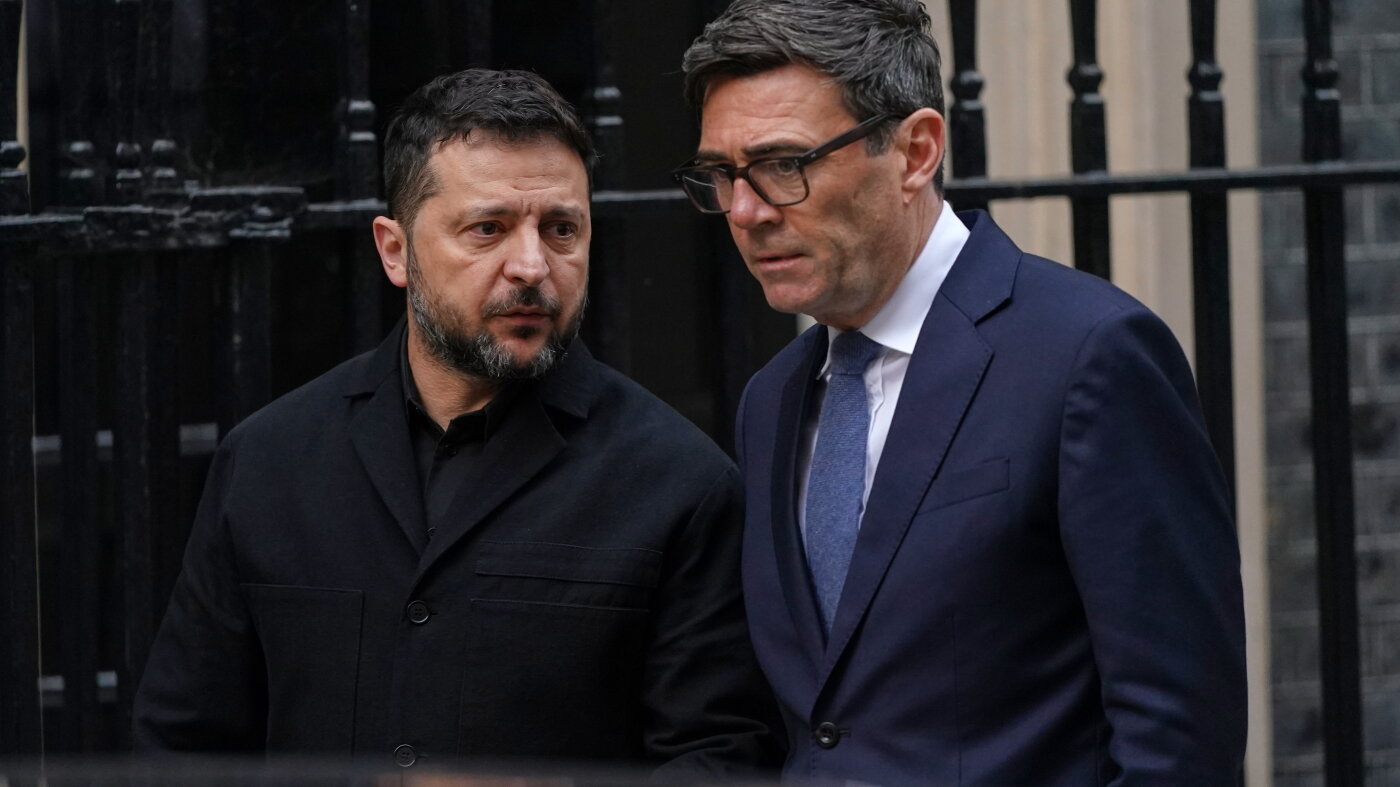
For the global energy market, the resumption of Ukrainian strikes on Russian refineries—which have previously caused fuel shortages in Russia—could lead to fluctuations in prices, though Trump has attributed rising costs to his administration's conflict with Iran. Zelenskyy met with British Prime Minister Andy Burnham on Wednesday, Oct. 14, to seek further support, while the Ukrainian Ministry of Defense continues to test backup communication channels to replace restricted Starlink access.