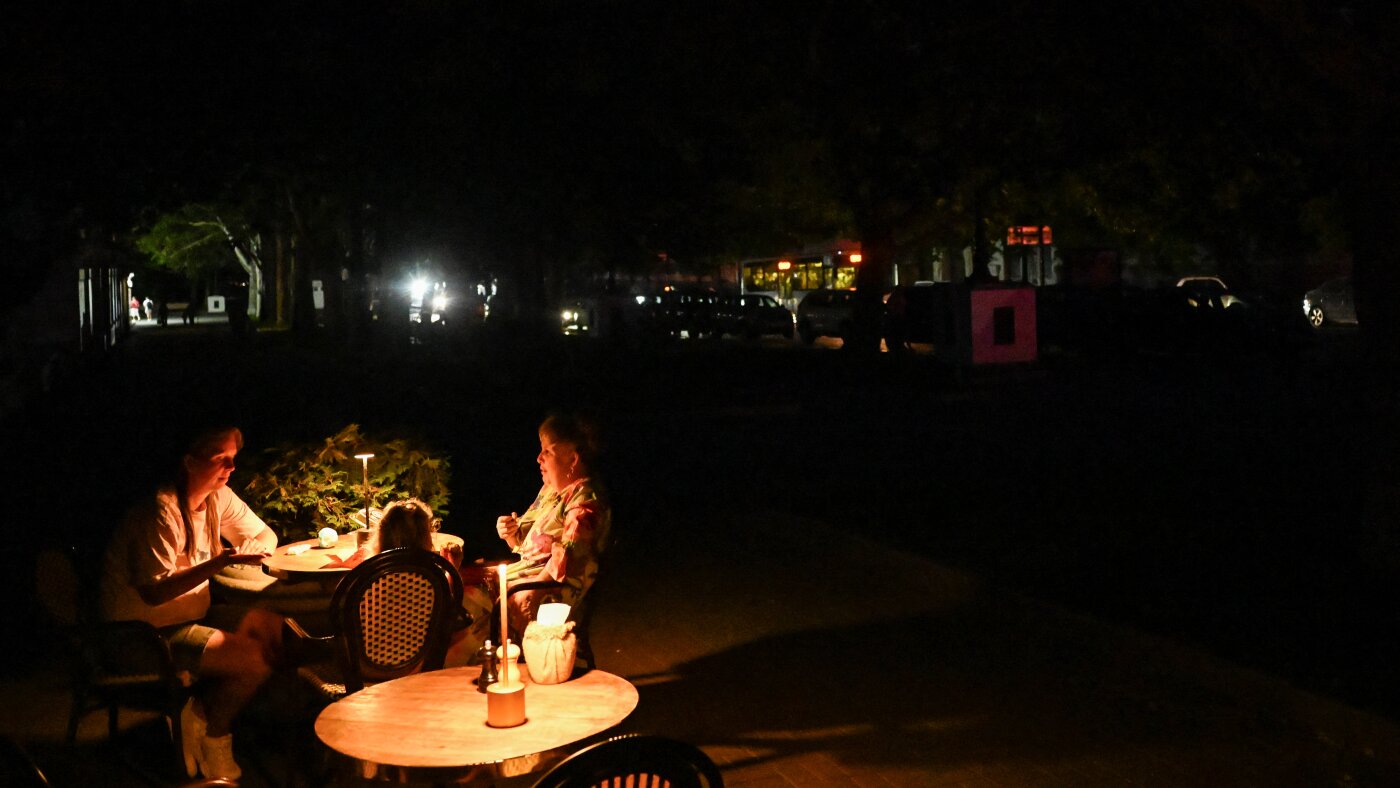
Ukrainian drone strikes have increased across the Crimean Peninsula, leading to widespread disruptions of essential services and military logistics. The campaign, which has intensified over the last two months, has targeted Russian military facilities, naval vessels, and supply routes. These strikes have resulted in reported shortages of electricity, water, fuel, and cellular service for the residents of the territory.
Russia originally seized Crimea from Ukraine in 2014, and an estimated 1 million Russian citizens and troops have moved to the region since that time. While the peninsula is typically a summer destination for Russian tourists, the current conflict has altered daily operations. Mark Montgomery, a retired U.S. Navy rear admiral who assists in training the Ukrainian military, stated that the lack of basic resources may force residents to leave the area.
According to the Ukrainian Navy, forces have struck more than 130 Russian vessels in the Sea of Azov and more than 80 in the Black Sea within the past month. Dmytro Pletenchuk, a spokesman for the Ukrainian Navy, said the military is utilizing surface and undersea drones to bypass traditional naval defenses. Meanwhile, Russian forces have responded by striking international cargo ships carrying Ukrainian agricultural exports near the port of Odessa, resulting in the deaths of 10 sailors in a recent attack.
Ukrainian President Volodymyr Zelenskyy told Fox News that the country is not currently attempting to recapturing the peninsula by land, citing the importance of avoiding further loss of life. Military analysts noted that while drone strikes are disrupting Russian control, Ukrainian forces are not presently in a position to launch a ground offensive to retake the territory. Russian President Vladimir Putin, who previously declared Crimea an inseparable part of Russia, has not issued recent public statements regarding the current disruptions.
The scale of the naval conflict is reflected in the reported 210 Russian vessels targeted by Ukraine in the last 30 days. This shift to unmanned sea drones has allowed Ukraine to challenge Russian naval dominance despite not having a traditional fleet at sea. However, the knock-on effects extend to the global food supply; Russia’s retaliatory strikes on international cargo ships have stalled the export of Ukrainian corn, wheat, and sunflower oil. With the traditional maritime export route currently blocked by these attacks, Ukraine is attempting to move its peak harvest by land, which is described as a significantly less efficient process for the nation's economy.
What happens next depends on whether Russia can adapt its technology to counter the small, difficult-to-track sea drones. Ukrainian officials stated it typically takes Russia six months to catch up to their technological improvements. In the short term, the blockade of the Odessa port is expected to continue impacting the Ukrainian agricultural sector. While Ukraine maintains its claim to the territory, no specific timeline or date for a potential ground offensive has been established, as the government prioritizes preventing further casualties.