Ukrainian forces launched a drone bombardment involving more than 1,000 aircraft against Russian territory on Sunday, October 18, 2026. The strikes targeted energy and logistics infrastructure, resulting in fires at the Petersburg Oil Terminal and the Ruchi oil depot in St. Petersburg. The Russian Ministry of Defense stated that its forces destroyed 1,015 drones across 15 regions, as well as in the Black Sea and Crimea.
The escalation occurred one week after U.S. President Donald Trump announced an \"energy ceasefire\" between the two nations on October 11. While the Ukrainian government initially stated it would heed the ceasefire, Kyiv confirmed on Thursday, October 15, that it had resumed strikes on Russian oil infrastructure following a three-day pause. President Trump has criticized Ukraine for these attacks on Russian energy assets.
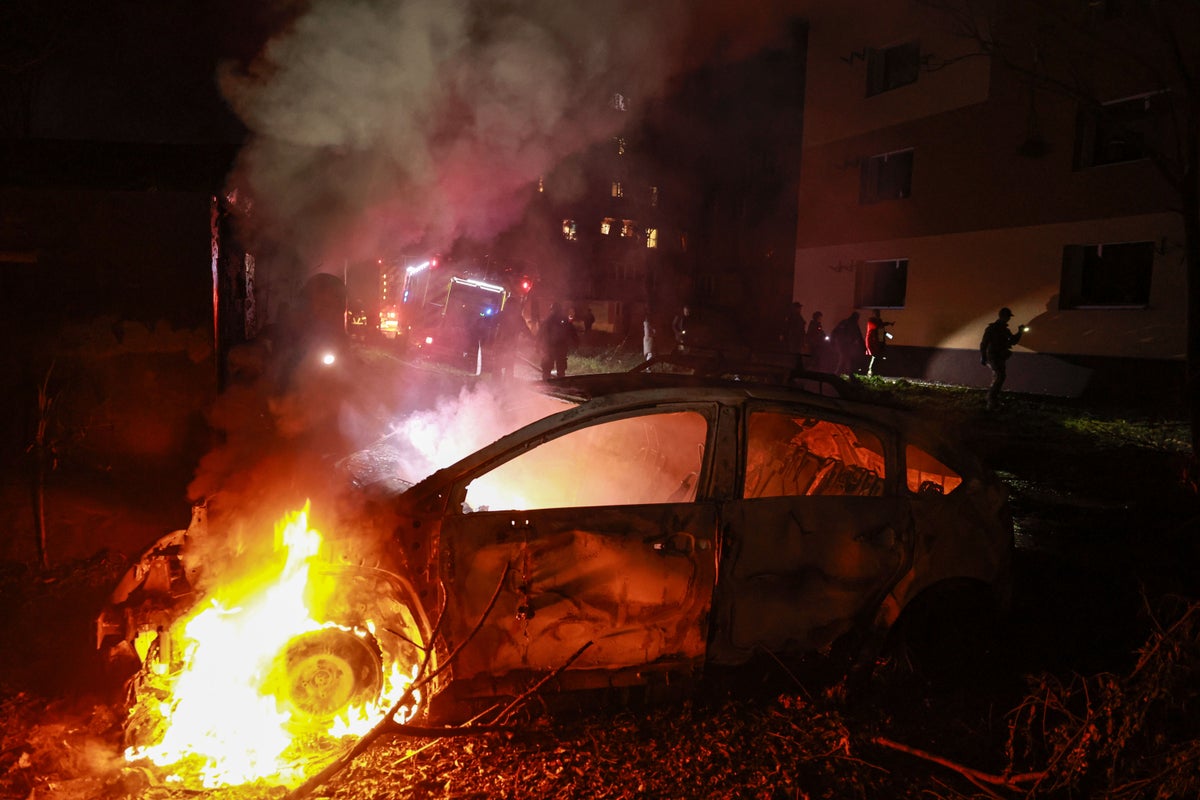
In St. Petersburg, Governor Alexander Beglov reported one death and five injuries resulting from the strikes. Companies including the retailer Ozon and the technology firm VK confirmed their facilities were also targeted. Simultaneously, Russian forces conducted attacks on the Ukrainian city of Zaporizhzhia, where local official Mykhailo Semikin reported one woman killed and two others wounded, including a child. The Russian strikes damaged two apartment buildings and an educational institution.
For individuals in these regions, the conflict results in immediate changes to daily life, including power blackouts, the destruction of private property such as the 18 cars reported damaged in Zaporizhzhia, and risks to physical safety in residential areas. The direct impact on tech and retail workers was also noted, as facilities belonging to VK and Ozon—major employers in the Russian digital and logistics sectors—sustained attacks. These events indicate that the "energy ceasefire" announced by the U.S. presidency has not halted military operations against infrastructure by either side.
The knock-on effects include heightened diplomatic tension between the Ukrainian government and the United States administration. President Zelenskyy stated that the lack of Russian reciprocity regarding agreements suggests that Moscow views opportunities for revenue as a reason to continue the conflict. This sets a precedent of fragility for future international mediation efforts. The next steps in the conflict remain dependent on military developments and further diplomatic responses from Washington, though no specific upcoming vote or court date was reported.