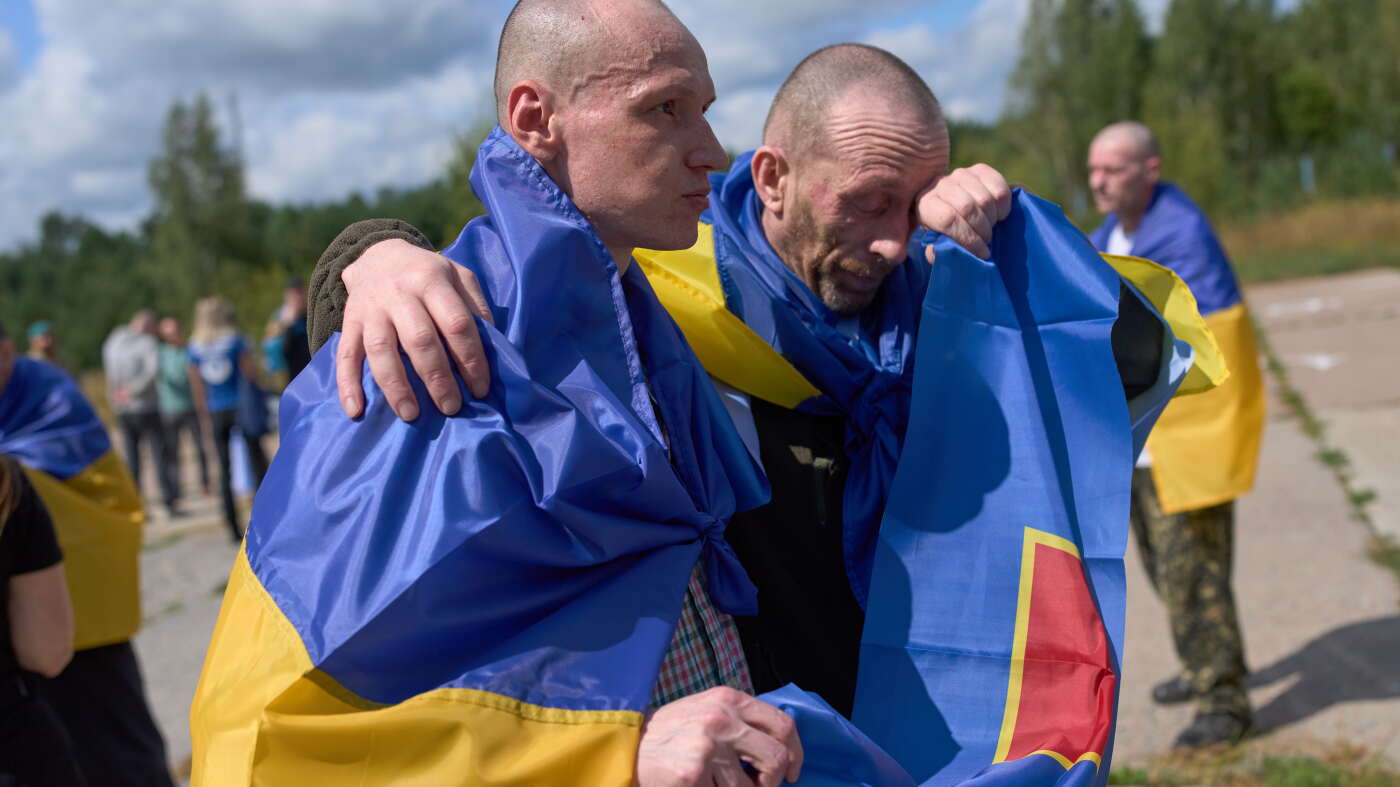
Ukrainian citizens and government officials report that Russian authorities are contacting the relatives of prisoners of war (POWs) and detained civilians to demand information, money, or political actions. Petro Yatsenko, a spokesperson for the Ukrainian agency coordinating with the families of prisoners, stated that Russian intelligence and security services, specifically the GRU and FSB, are bypasssing official government channels to reach families through social media. According to Yatsenko, these contacts are used to pressure relatives into monitoring local security or participating in protests against the Ukrainian government.
The reports indicate that Russia holds thousands of Ukrainian soldiers and civilians. While both countries have engaged in prisoner swaps—with approximately 10,000 personnel freed by each side as of June 2025—Ukraine rarely sees the release of captured civilians. Relatives report receiving videos of their loved ones used as leverage; one woman, identified as Polina, stated she was pressured for four months to provide information on a Russian attack in exchange for the well-being of her 71-year-old father, who has been held for nearly four years.
Financial extortion has also been reported by family members. Valentina Shcherbyna, whose son was detained in Kherson in November 2022, reported being contacted by an unidentified Russian individual in April who demanded $10,000. Ukrainian police later determined the individual was attempting to extort the family just before her son’s scheduled release. Those who have been released, including Shcherbyna’s son, have reported physical abuse, such as being forced to stand for 21 days, resulting in severe swelling and weight loss.
A 2024 report from the United Nations human rights office corroborated claims of widespread mistreatment. The report found that nearly all of the 174 Ukrainian POWs interviewed since March 2023 experienced torture or ill-treatment, including electric shocks and beatings. The same UN report noted that 51% of 205 interviewed Russian POWs reported abuse by Ukrainian forces during the initial stages of their captivity, though it stated that such treatment generally ceased once the prisoners reached official internment sites in Ukraine.
The reported tactics have knock-on effects for Ukrainian internal security and public order. By demanding that relatives join demonstrations against their own government, the Russian agencies aim to create domestic instability within Ukraine. Ukrainian officials have advised families to ignore these direct contacts and report them to domestic authorities. This situation establishes a precedent where social media is used as a tool for psychological warfare and intelligence gathering, bypassing traditional frameworks for official prisoner communication.
What happens next depends on the frequency and success of future prisoner swaps. While more than 200 prisoners were traded as recently as last month, the release of civilians remains rare. The Ukrainian government continues to urge families to follow a policy of not communicating with Russian captors directly. International monitors, including the United Nations, continue to document the treatment of prisoners on both sides, with the next set of findings expected to build upon the 2024 report that identified systemic abuse. No specific dates for the next large-scale exchange have been announced.