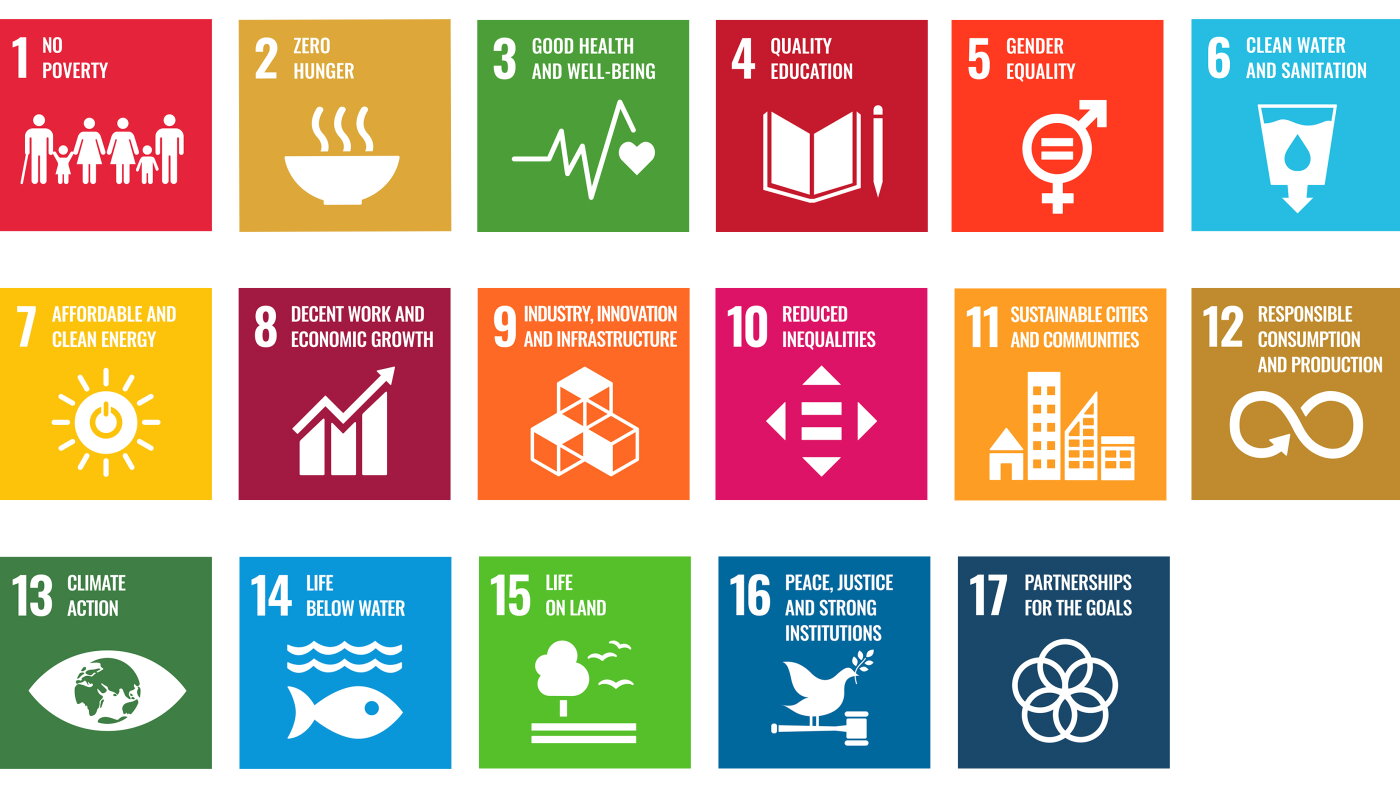
In September 2015, world leaders established 17 Sustainable Development Goals (SDGs) intended to be met by 2030, but a United Nations assessment indicates that most targets remain off track. The goals include objectives such as ending poverty, achieving zero hunger, and ensuring quality education and gender equality. According to a U.N. report, only 15% of the targets with sufficient data are currently on track to be met, while another 15% have regressed below their 2015 levels.
The goals, which are subdivided into 169 specific targets, were intended to transform global development within a 15-year window. Charles Kenny, a senior fellow at the Center for Global Development, noted that achieving many of these goals would require "historically unprecedented" rates of progress and significant changes in global policy. While the goals were agreed upon by national leaders, Kenny suggested that domestic actions have often failed to align with these international commitments, with trends in development aid and trade either stalling or reversing.
Despite the lack of progress on the headline 2030 targets, some researchers point to measurable improvements in specific sectors. Paul Spiegel, director of the Johns Hopkins Center for Humanitarian Health, reported that since 2015, approximately 1 billion people have gained access to safe drinking water and 1.2 billion have gained access to sanitation. Additionally, electricity now reaches 92% of the global population, and internet connectivity has reached 74%. Health metrics have also shown gains, with AIDS-related deaths falling by 35% and HIV infections decreasing by 30%.
The lack of progress in meeting the 2030 deadline means that millions of individuals may continue to lack social protections, such as pensions, unemployment support, or health coverage. Currently, slightly more than half of the global population has some form of these benefits. The environmental consequences are also significant; record levels of hazardous and electronic waste are being produced, and more than 48,600 species are currently threatened with extinction. For ordinary citizens, this represents a continued loss of biodiversity and a failure to establish the "climate resilience" that experts like Thoai Ngo say is necessary to protect food and agriculture systems.
The knock-on effects of these trends include an increased vulnerability to economic shocks. Andrew Shepherd of the Chronic Poverty Advisory Network noted that while some people escape poverty, they often fall back into it due to global crises like the COVID-19 pandemic or inflation caused by war. In places like Bangladesh, some have turned to microfinance to cope, but this has led to concerns regarding over-borrowing and high debt. Moving forward, the U.N. and global governments must determine how to address the current pace of change, which remains insufficient to meet the original 17 objectives.