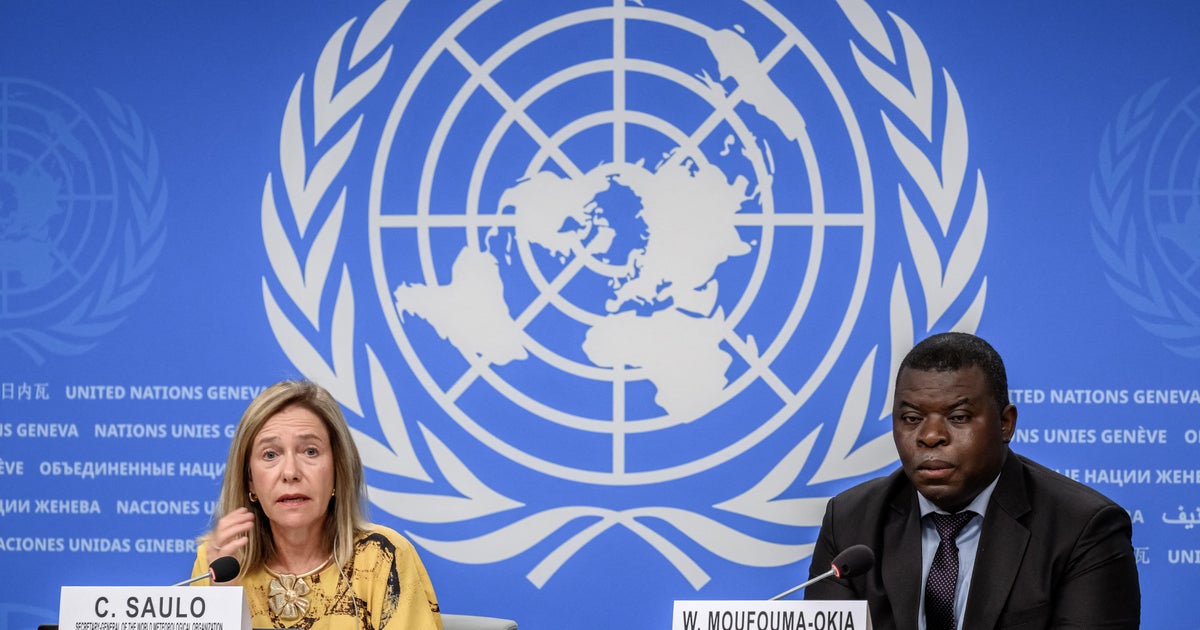
The United Nations warned on Thursday that a significant El Niño event is forecast to intensify in the coming months, likely leading to severe global weather patterns including extreme heat, drought, and flooding. The World Meteorological Organization (WMO), a U.N. agency, released an updated outlook predicting that the current climate pattern will deepen and become "very strong" near the end of the year. U.N. Secretary-General António Guterres stated that ocean temperatures are rising into "uncharted waters."
The El Niño Southern Oscillation Cycle (ENSO) is a climate pattern driven by sea surface and atmospheric conditions in the tropical Pacific Ocean. During El Niño phases, ocean temperatures in this region rise, affecting weather globally. Forecasters reported that ocean temperatures in the tropical Pacific increased this summer to between 1.5 and 2.6 degrees Celsius above normal averages. According to the U.N., this event is occurring alongside already high global ocean temperatures, creating a hotter-than-usual baseline for the cycle.
Meteorologists expect above-normal temperatures across nearly the entire Earth's surface as a result of the intensification. Rainfall patterns are also projected to shift, causing excessive rain and flooding in some regions while others experience drought. WMO Secretary-General Celeste Saulo noted that disruptions from these conditions are already occurring and are expected to worsen. In response, the World Health Organization (WHO) has launched a campaign focused on improving early warning systems and weather forecasts.
The concrete day-to-day changes for households will depend on geographic location. Residents in flood-prone areas may face increased risks of property damage and displacement, while those in drought-affected regions could see impacts on agricultural yields. The WHO campaign suggests that improved early warning systems are being prioritized to help communities mitigate these risks. These changes are expected to be most noticeable as the event reaches its peak toward the end of 2026 and continues into early 2027.
The knock-on effects of a "very strong" El Niño include potential strain on infrastructure as governments manage simultaneous weather extremes. The U.N. indicated that the current event is progressing under conditions not clearly observed before due to the high baseline ocean temperatures. The WMO will continue to monitor the deepening of the cycle, which is projected to peak near the end of 2026. The WHO campaign is currently active to address growing weather threats.