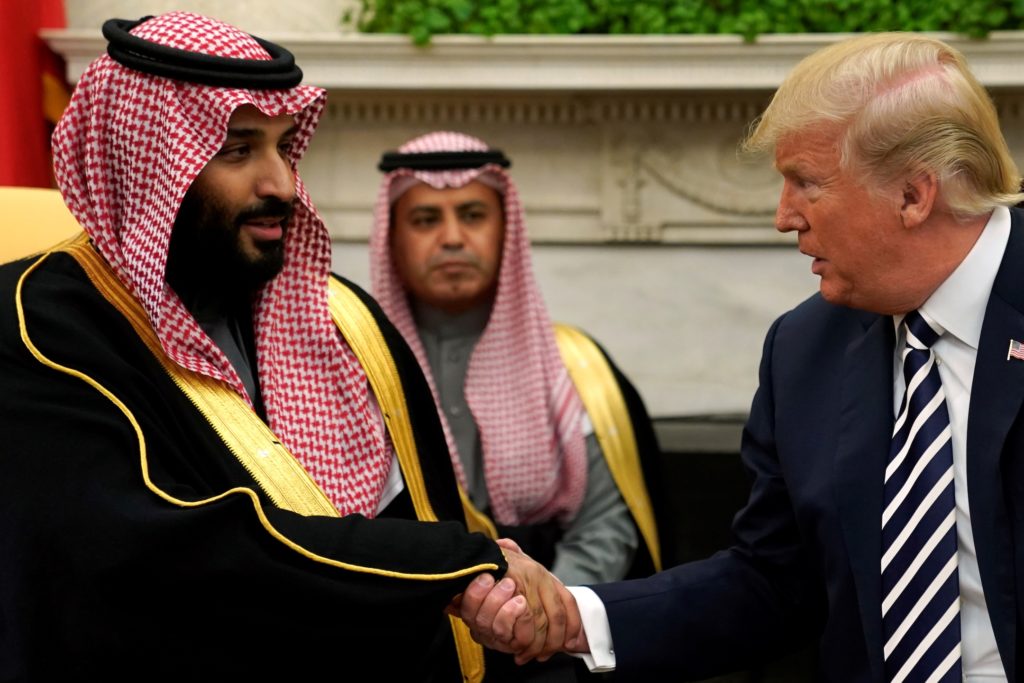
The United States and Saudi Arabia announced an agreement on July 22 to establish a civilian nuclear energy program within the kingdom using American technology. The 30-year deal permits U.S. companies to construct nuclear infrastructure and includes provisions for a joint study to determine the commercial viability of a uranium enrichment facility on Saudi soil. Secretary of Energy Chris Wright stated the agreement maintains high safety and nonproliferation standards while supporting American nuclear industry growth.
Critics of the deal, including Sen. Edward Markey (D-MA) and former Israeli Prime Minister Naftali Bennett, expressed concern that the agreement could lead to regional nuclear proliferation. Opponents noted that the deal does not currently include the International Atomic Energy Agency's (IAEA) "additional protocol," which allows for more intrusive inspections. Bennett stated that enrichment on Saudi soil could trigger a regional arms race, while Markey questioned the necessity of domestic enrichment for a peaceful program.
In response to these concerns, the State Department said the agreement includes a bilateral safeguards framework with the IAEA to ensure material and equipment are used for exclusively peaceful purposes. While Saudi officials have historically cited nuclear power as a way to diversify energy sources and increase oil exports, some observers, such as Princeton professor Bernard Haykel, noted that solar and wind power are now more cost-effective for the kingdom. Crown Prince Mohammed bin Salman previously stated in 2018 that while Saudi Arabia does not seek nuclear weapons, it would seek to acquire them if Iran developed a nuclear bomb.