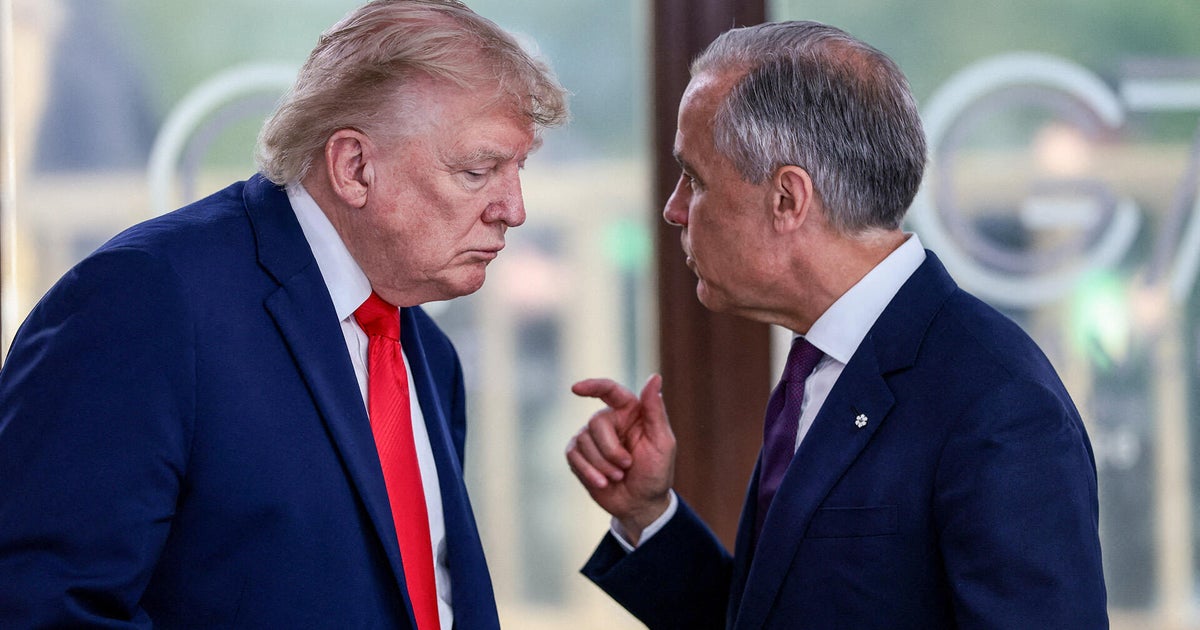
The United States implemented a ban on nearly $1 billion in Canadian imports effective Tuesday at 12:01 a.m. Eastern time. The restrictions target specific categories including alcoholic beverages, motorcycles, and dairy products such as whey. President Donald Trump ordered the measure following Canadian retaliation against previous U.S. tariffs.
The dispute originated earlier this summer when the U.S. used a Great Depression-era law to impose 50% tariffs on roughly $20 billion of Canadian goods. The administration alleged that Canada discriminates against U.S. auto, dairy, and alcohol producers. In response, Canada applied matching tariffs ranging from 15% to 50% on U.S. products. While the new ban affects nearly $1 billion in goods, it represents a small portion of the $880 billion in total annual two-way trade.
According to Jacob Jensen of the American Action Forum, alcoholic beverages—including beer, liquor, sparkling wine, and sake—account for 87% of the banned value. These were targeted after certain Canadian provinces removed U.S. alcohol from store shelves. Quebec-based Bombardier Recreational Products (BRP) confirmed its Can-Am Spyder and Canyon motorcycles are also excluded from the U.S. market, though the company stated the impact may not be felt until 2027 as current season shipments are complete.
This ban affects U.S. importers and Canadian producers of alcohol, dairy, and specialty vehicles. Based on 2025 data, the covered imports are worth approximately $967 million annually. Trade attorney Patrick Childress noted that many of these goods were already facing 50% tariffs, which he said had already made their importation uneconomical for many businesses.
The escalation comes amid trade tensions involving the U.S.-Mexico-Canada Agreement (USMCA), which allowed most goods to cross borders duty-free. Canadian Prime Minister Mark Carney, who took office last year, has sought to reduce Canada’s 70% export reliance on the U.S. This shift includes pursuing associate membership with the European Union and negotiating trade terms with India and China.
President Trump told reporters on Monday that he believes a "fair" deal will eventually be reached, though he did not provide a specific timeframe. Prime Minister Carney has stated that trade talks with India are progressing toward a potential conclusion by the G20 summit in mid-December. For now, Canadian trade officials say their priority remains supporting domestic workers and businesses affected by the restrictions. Trade attorney Childress said the standoff is likely to continue for months.