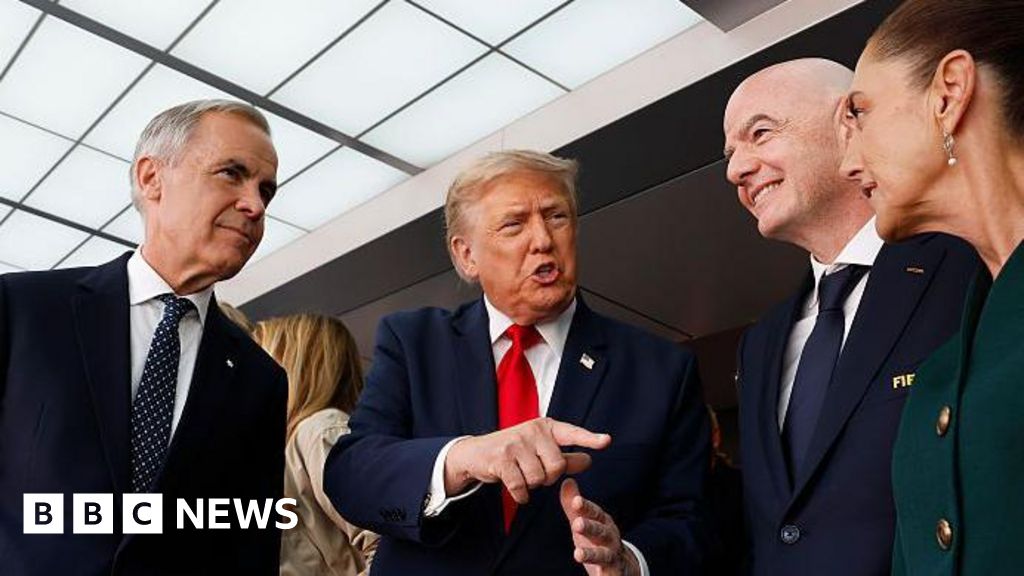
The United States government announced a 50% tariff on various Canadian goods on Monday, citing what it termed unequal treatment of U.S. automotive, dairy, and alcohol products. The new levies, scheduled to take effect on August 19, target items including hockey sticks, candles, and synthetic wigs. The move followed a joint appearance by U.S. President Donald Trump and Canadian Prime Minister Mark Carney at the World Cup final in New Jersey over the weekend.
The tariffs were introduced as the two nations, along with Mexico, negotiate the renewal of the United States-Mexico-Canada Agreement (USMCA). U.S. Trade Representative Jamieson Greer indicated that while discussions with Canada are frequent, progress has been slow compared to negotiations with Mexico. The U.S. currently maintains existing tariffs on Canadian steel, aluminum, and softwood lumber, while Canada has implemented 25% retaliatory tariffs on certain U.S. imports.
Prime Minister Carney stated he is considering all options in response to the new measures. Economists and trade observers suggested the move may be a negotiating tactic to gain leverage in trade talks. Canadian Chamber of Commerce CEO Candace Laing noted that the organization expected difficulties during the negotiation process. Currently, the USMCA remains without a long-term extension, which could lead to annual reviews until the agreement expires in ten years.