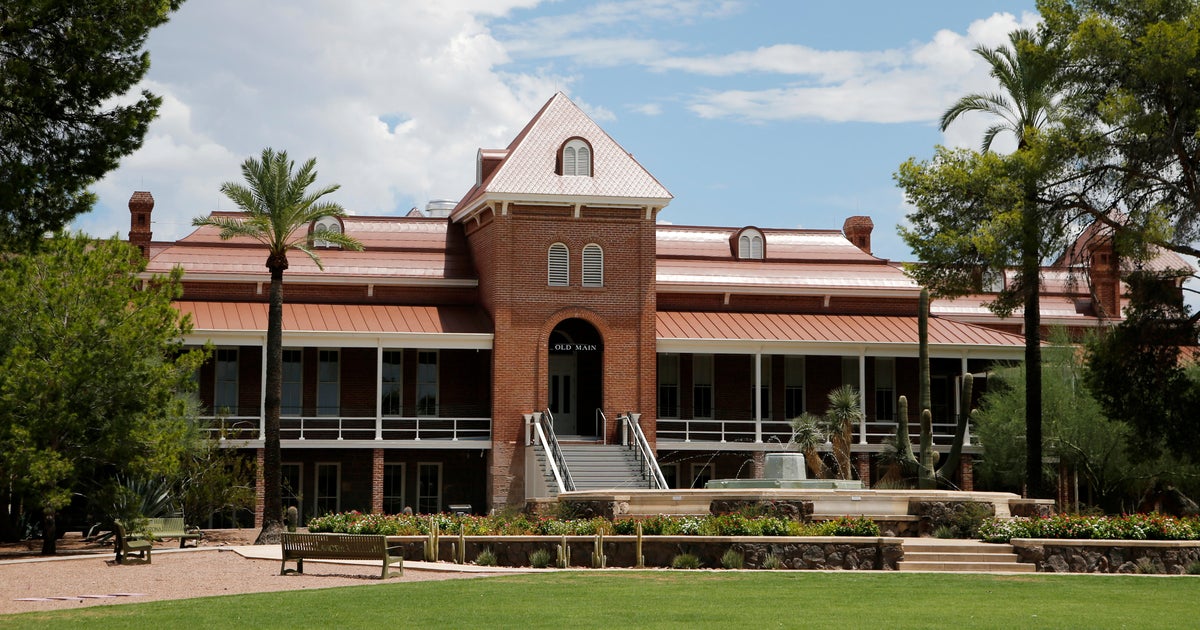
A sorority member at the University of Arizona has alleged she was sexually assaulted by two men at the Sigma Phi Epsilon fraternity house during a night of drinking on Aug. 26. According to search warrant records posted on Monday, Oct. 19, 2026, by KOLD-TV, the student told university police she consensually kissed one man but did not remember agreeing to sex. The allegations were reported to police and the student underwent a hospital forensic exam the day after the encounter.
The report surfaced two weeks after the University of Arizona suspended activities for its 21 fraternities following reports of misconduct including hazing, assault, and drug and alcohol issues. While most suspensions were lifted after mandatory meetings with the dean of students, five remained in place as of Oct. 20, 2026. Sigma Phi Epsilon was already on probation from July 2026 until May 2027 due to a separate hazing complaint, though it was not among the five fraternities currently listed as suspended.
Search warrant records detail that the student recalled sharing tequila with friends and witnessing two men assaulting her, reporting difficulty swallowing and the sensation of a man's breath on her face. In a recorded call two days later, one man acknowledged having sex with her but claimed it was consensual, while denying the second man was involved. Sigma Phi Epsilon CEO Brian Warren stated the fraternity has suspended those involved and will expel any member found responsible. The university police said the investigation is ongoing, and no arrests have been reported.
For individual students and fraternity members, the immediate impact involves the potential for expulsion and criminal prosecution. At Sigma Phi Epsilon, the national organization has already placed involved members on suspension, bars them from fraternity participation while the investigation continues. Students at other institutions, such as Cornell University and the University of Chicago, are seeing similar reports. At the University of Chicago, a public safety meeting was scheduled for Wednesday, Oct. 21, 2026, to address reports of sexual assault involving Alpha Delta Phi and Alpha Epsilon Pi.
The outcome of these investigations may influence how universities manage Greek organizations. A lawsuit recently filed by a woman at the University of Chicago highlights the legal risks facing fraternity chapters and national organizations. Next steps in the Arizona case depend on the police investigation and the Pima County Attorney’s Office, which has not yet received the case for prosecution. At Cornell, a state investigation remains ongoing into allegations against the Chi Phi fraternity. All accused members in the various reported cases who have commented have either denied the allegations or claimed the encounters were consensual.