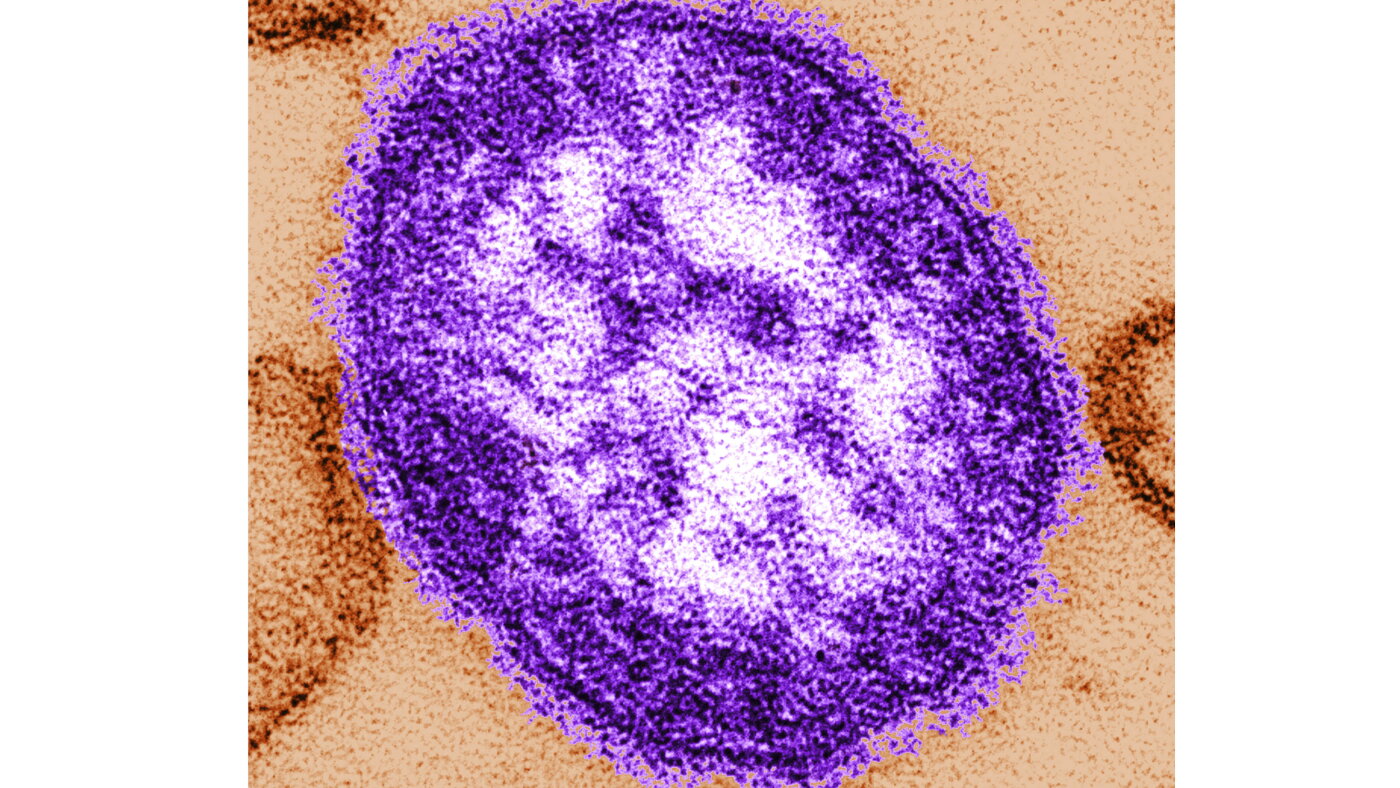
A 40-year-old resident of Jefferson County died from measles-related complications on Saturday, September 12, 2026. Jefferson County Coroner Greg Furlong confirmed the woman was unvaccinated and described the event as a reminder that the virus can be life-threatening. This marks the third measles-linked death reported by Pennsylvania officials this year, occurring amid a nationwide increase in cases.
The announcement comes as Pennsylvania health officials and the federal government disagree over the counting of measles-associated deaths. The U.S. Centers for Disease Control and Prevention (CDC) has not yet officially recorded any 2026 deaths as measles-related. The agency stated that the National Center for Health Statistics currently lacks death records indicating measles as the underlying cause.
Two previous deaths reported by Pennsylvania officials on August 25, 2026, involved unvaccinated infants in Lancaster County who were not old enough to receive the vaccine. U.S. Health and Human Services Secretary Robert F. Kennedy, Jr. characterized the initial death announcements as "premature" in a post on X, while the CDC said it was reviewing whether to count the infant deaths. Lancaster County Coroner Dr. Stephen Diamantoni said he provided his conclusions to the CDC, but the agency has not confirmed if it will include them in federal data.
According to the Pennsylvania Department of Health, the state had recorded 676 measles cases by September 11, 2026. Federal data indicates that Pennsylvania and South Carolina currently have the highest number of confirmed cases in the country. Nationwide, the CDC reported more than 3,200 confirmed cases last week. The Jefferson County Coroner’s Office is currently coordinating with the state Department of Health regarding the most recent case.
For residents, the surge in cases increases the statistical likelihood of exposure in public spaces, as the virus can remain infectious in the air for up to two hours after an infected person leaves. A person would notice symptoms such as fever, cough, and a characteristic rash roughly 7 to 21 days after exposure. While two doses of the MMR vaccine provide 97% lifetime protection, the current infection rates have led to discussions regarding the U.S. "measles-free" status, which was originally established in 2000.
The disagreement between state officials and the federal Department of Health and Human Services follows a review process by the National Center for Health Statistics that has resulted in a lag between state announcements and federal records. While the CDC typically defers to state determinations, international health officials are scheduled to meet in November 2026 to evaluate whether the U.S. and Mexico will maintain their status as countries where the domestic spread of measles has been eliminated.