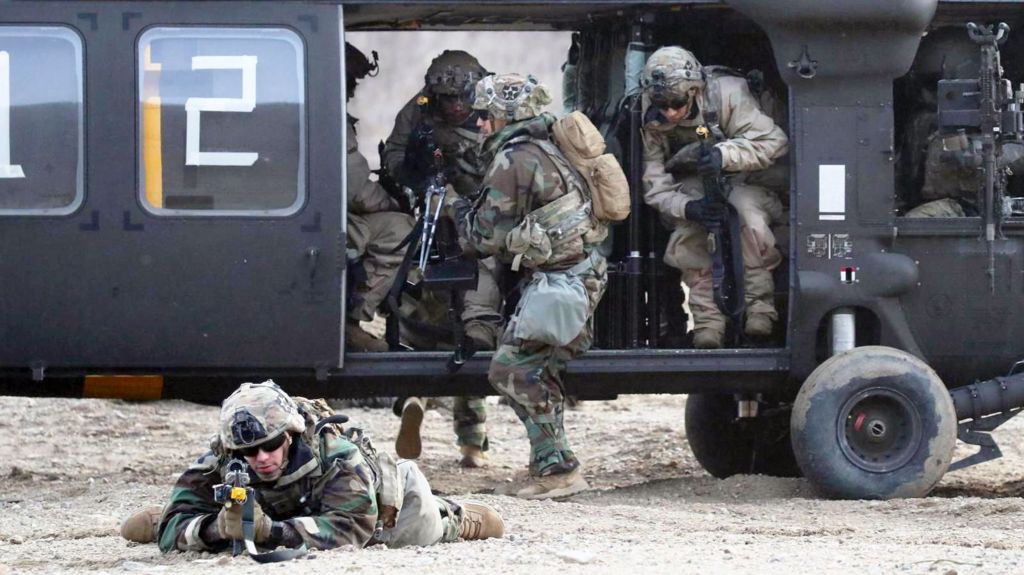
South Korea's defense ministry announced that its annual joint military exercises with the United States will be shortened by six days. The 2026 Ulchi Freedom Shield exercise, which was originally scheduled to run until August 27, will now conclude on August 21. Seoul stated that the scale and duration of the drills were adjusted following a proposal from the U.S. government.
The adjustment follows statements from President Donald Trump, who announced plans to curtail joint exercises, citing his relationship with North Korean leader Kim Jong Un. Over the weekend, the president posted on Truth Social that the exercises are "costly" and send an "inappropriate and hostile" signal. During a Monday briefing in the Oval Office, the president also linked the decision to South Korea's refusal to assist in military operations related to Iran, noting the presence of 39,000 U.S. soldiers stationed in the region.
South Korean Foreign Minister Cho Hyun told a parliamentary hearing that officials in Seoul and Washington were not aware of the plans to curtail the drills in advance. The defense ministry noted that while the field training component will be "partially reduced in scale," the specific details of those reductions are still under discussion. The U.S. and South Korea had previously announced last week that approximately 18,000 South Korean soldiers would participate, alongside the 28,500 American personnel stationed in the country.
The scale of the shift is centered on the U.S. defense commitment to South Korea, which maintains a permanent presence of 39,000 troops as cited by the U.S. president. The reduction represents a departure from the plans announced by military leaders only one week ago, when the exercise was described as similar in scale to previous years. The change establishes a precedent where joint military readiness activities are directly tied to non-regional diplomatic objectives, such as U.S. policy regarding the Islamic Republic of Iran.
What happens next depends on the ongoing discussions regarding the "specific details" of the field training reductions. While the end date of the current exercise is now set for August 21, 2026, the long-term impact on the U.S.-South Korea defense pact remains a subject of concern for regional allies including Japan and Taiwan. Additionally, the Wall Street Journal reported that President Trump is seeking a meeting with Kim Jong Un, which may further influence future military cooperation in the region. North Korea’s foreign ministry has previously characterized these drills as a "rehearsal for an aggressive war."