Public health agencies are managing multiple outbreaks of foodborne illnesses across the United States this summer, including salmonella, E. coli, and the parasitic infection cyclosporiasis. The Food and Drug Administration (FDA) reported that while two deaths have been tied to these outbreaks, officials maintain that the overall U.S. food supply and fresh produce remain safe for consumers. The illnesses have prompted significant product recalls involving eggs, jalapeños, frozen berries, and lettuce.
The outbreaks involve both bacterial and parasitic pathogens. Salmonella, which the Centers for Disease Control and Prevention (CDC) notes causes approximately 1.35 million annual U.S. infections, has been linked to two separate major recalls this season. Additionally, E. coli infections have been reported in the Southeast, while a large-scale cyclosporiasis outbreak has been traced to lettuce served at a fast-food chain.
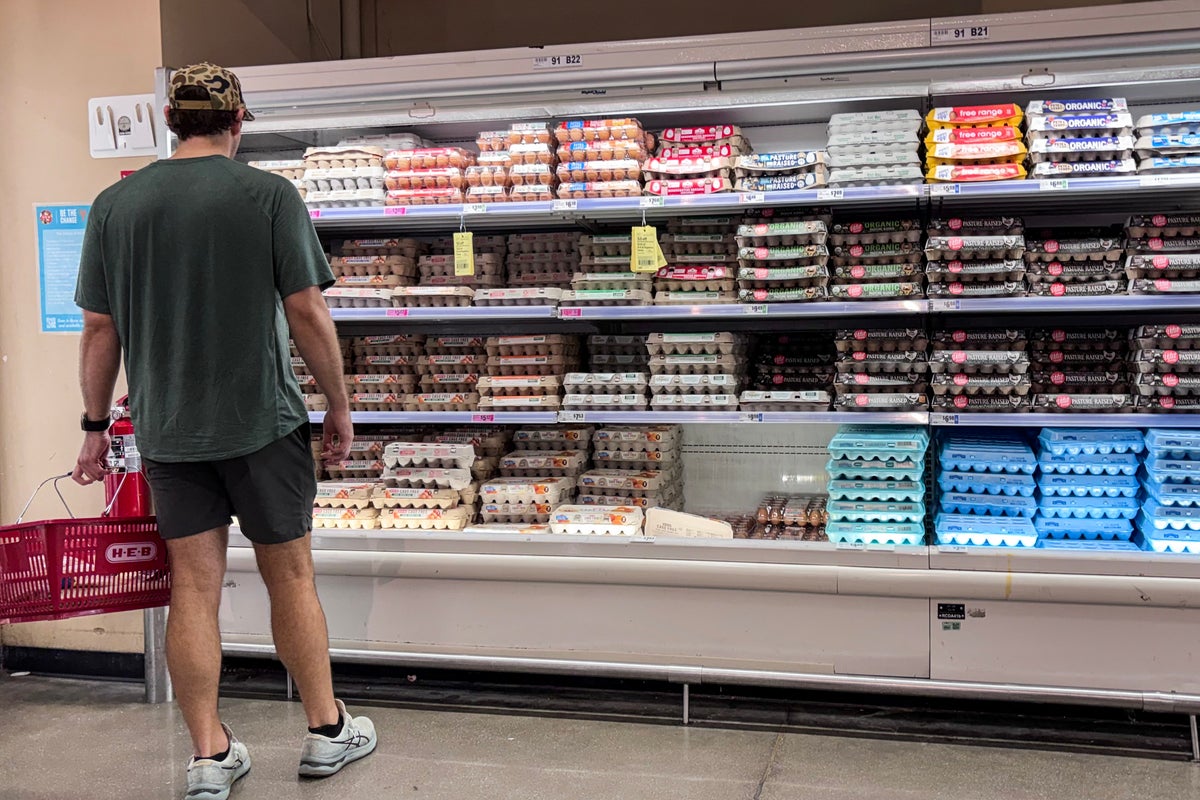
In one major action, Midwest Poultry Services issued a "Class 1" recall for white and brown eggs sold in six states—Texas, Arkansas, Louisiana, Oklahoma, Mississippi, and New Mexico—after 98 cases of salmonella were reported. In a separate salmonella investigation, Coast Citrus Distributors recalled jalapeños used in various prepared foods across 27 states after 345 illnesses and 36 hospitalizations were documented, primarily in Colorado and Minnesota.
The largest current outbreak involves cyclosporiasis, a parasitic illness that has affected nearly 25,000 people. Health officials traced the source to iceberg lettuce from a Mexican Taylor Farms facility served at Taco Bell restaurants. This outbreak has impacted 27 states, with Michigan reporting nearly 14,000 cases. Separately, Publix recalled GreenWise organic frozen berries in eight states following a dozen E. coli infections in Florida and Georgia that resulted in four hospitalizations.
For an individual household, the concrete change involves checking product labels and codes to avoid potentially dangerous items already in their kitchens. For example, those with eggs must check for specific code numbers like P-1950 or 0840962 to ensure their food is safe. Patients affected by these illnesses face symptoms ranging from stomach cramps and nausea to severe diarrhea that can last for weeks, with some requiring antibiotic treatment or hospitalization for dehydration. Those in highly impacted states like Michigan or Texas may notice more frequent public health advisories or the temporary removal of specific items from local restaurant menus and grocery shelves.
The knock-on effects of these outbreaks include increased pressure on the FDA and CDC to monitor supply chains, particularly for produce crossing international borders, as seen with the lettuce from Mexico. The designation of the egg recall as "Class 1" sets a high-priority precedent, signaling a reasonable probability of serious health consequences. While the Trump administration has stated the food supply remains safe, these recurring outbreaks may lead to further scrutiny of food processing facilities. Consumers should monitor the FDA and CDC websites for updated recall lists and expiration dates as investigations continue.