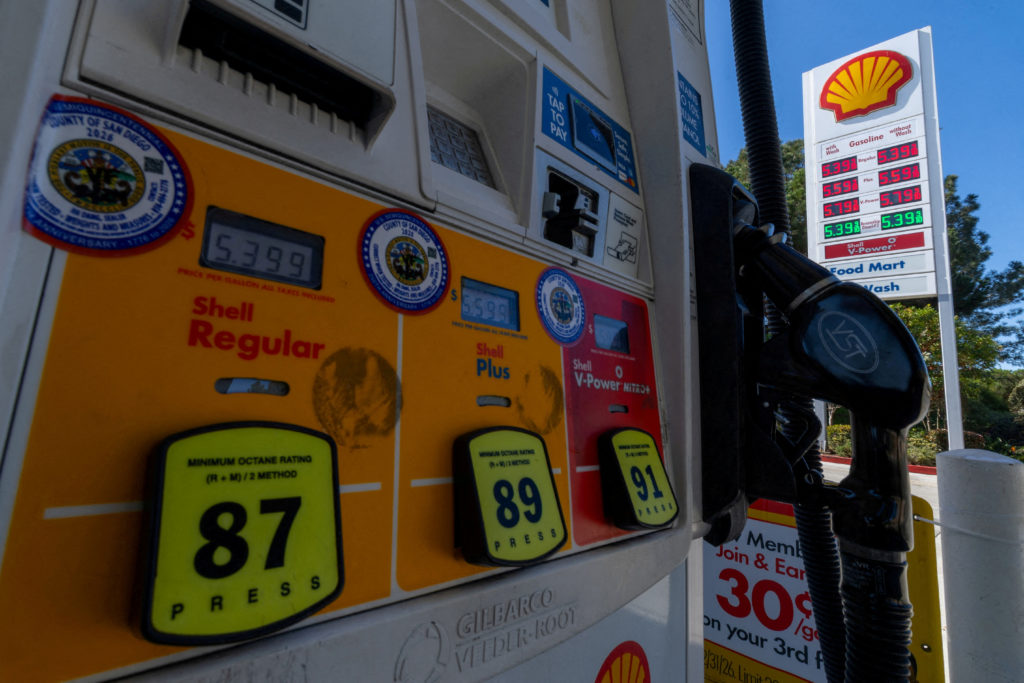
U.S. consumer prices fell by 0.4% from May to June, marking the largest one-month decline in four years, according to data released by the Labor Department on Tuesday. The annual inflation rate dropped to 3.5%, down from 4.2% in May. The decline was attributed to lower costs for gasoline, apparel, and used vehicles.
Core inflation, which excludes volatile food and energy categories, remained unchanged for the month and rose 2.6% on an annual basis. While core inflation remains above the Federal Reserve's 2% target, economists noted that price increases for electricity and apartment rentals slowed in June. Conversely, grocery prices rose 0.2% monthly, and the cost of semiconductors has led to price increases for some consumer electronics.
The report arrives as Federal Reserve officials remain divided on interest rate policy. Minutes from the Fed's June meeting show approximately half of policymakers support a rate hike by year-end, while others prefer to wait for further data. Fed Chair Kevin Warsh testified before the House Financial Services Committee on Tuesday, stating the central bank has "no tolerance" for high inflation but offering no specific guidance on upcoming rate decisions.
Global energy markets remain a factor for future inflation trends. Brent crude oil prices rose 4.6% to $87.13 a barrel following news of a blockade in the Strait of Hormuz and renewed military activity involving the U.S. and Iran. Analysts suggest that while the June report indicates cooling, sustained high energy prices could impact future consumer price indices.