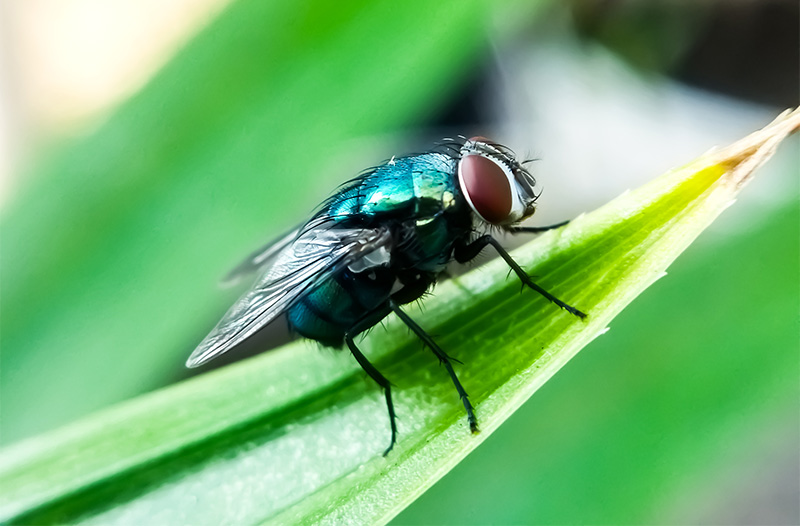
Agriculture officials have identified the New World screwworm in U.S. livestock for the first time in six0 years, following a confirmed case in a Texas calf in June. As of July 2026, the U.S. Department of Agriculture (USDA) reported 35 animal cases across Texas and New Mexico, affecting cattle, sheep, goats, and a dog. The parasite, *Cochliomyia hominivorax*, differs from typical blowflies because its larvae feed on living tissue rather than dead matter.
The New World screwworm was previously declared eradicated in the U.S. in 1966. The eradication relied on the Sterile Insect Technique, which involved releasing irradiated male flies to prevent viable reproduction. To maintain this status, a biological barrier was established in the Darien Gap of Panama. However, health officials determined the barrier was breached in 2023, citing COVID-19 supply-chain disruptions and increased human and animal migration as factors that allowed fertile flies to bypass prevention efforts.
The USDA and the Centers for Disease Control and Prevention (CDC) report a significant resurgence of the parasite in neighboring regions. By July 2026, there were 185,000 animal cases and 2,263 human cases across Mexico and Central America. U.S. Agriculture Secretary Brooke Rollins responded by suspending live animal imports from Mexico in May 2025. While Colorado has not yet reported livestock infections, USDA officials stated they do not know if the fly is already present in cattle there.
A person living in or near affected areas will notice a need for increased vigilance regarding physical wounds and animal health. Medical professionals recommend covering all cuts and scrapes and avoiding sleeping outdoors to prevent flies from laying eggs in mucus membranes or open skin. Owners of dogs and cats are advised to move pets indoors and monitor them for non-healing or foul-smelling wounds. While the FDA has preliminarily approved some anti-parasitic medications for prevention, these are not considered foolproof; a confirmed infection requires surgical debridement to remove maggots followed by antibiotics.
The return of the parasite sets a precedent for the potential failure of long-standing biological barriers due to logistical and migratory shifts. The economic impact involves the suspension of live animal trade, which affects international markets and domestic supply chains. Health officials, including Dr. Michelle Barron of UCHealth, noted that while the fly had not moved north of New Mexico as of late July 2026, the risk remains for those working near landfills, feedlots, or in agricultural settings. No specific deadline for the restoration of the Darien Gap barrier has been reported.