The U.S. Department of Agriculture (USDA) confirmed on Wednesday that a New World screwworm infestation was detected in an elk in Pecos County, Texas. This represents the first confirmed case of the parasite in United States wildlife during the current outbreak. The elk was discovered on a game ranch and reported after being harvested by a hunter.
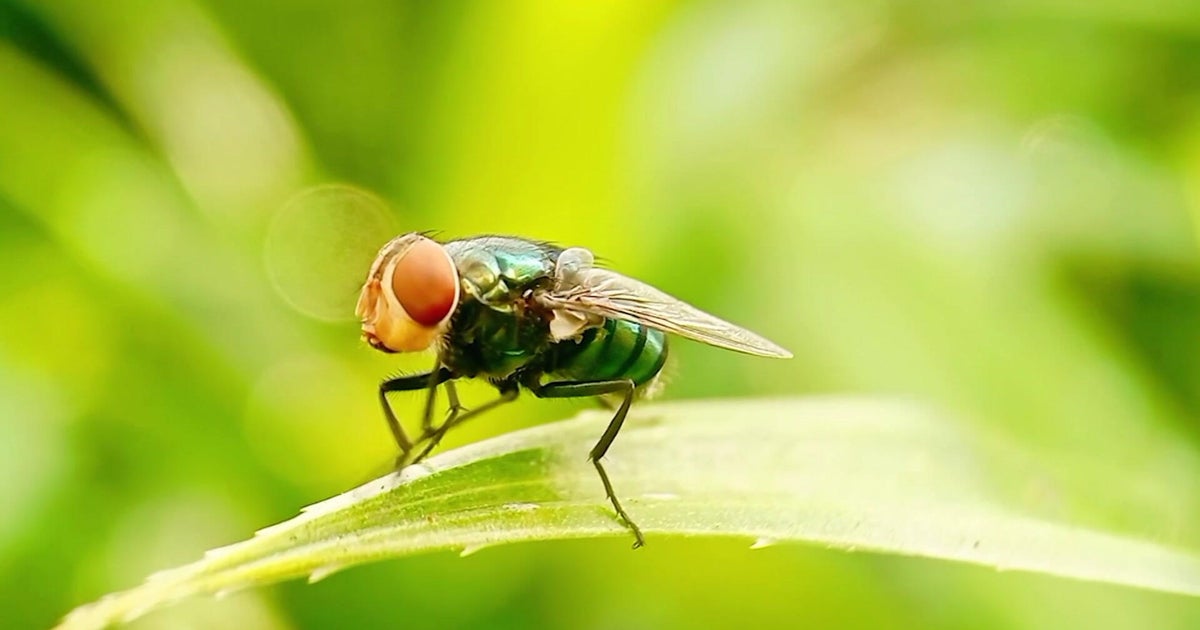
The New World screwworm is a parasitic fly that lays eggs in the open wounds or body openings of warm-blooded animals. Once the eggs hatch, the larvae, or maggots, feed on the living tissue of the host. While the parasite was previously controlled in Mexico and Central America, it has re-emerged recently, with Panama and Costa Rica identifying an outbreak in 2023.
Following the detection in the elk, the USDA's Animal and Plant Health Inspection Service (APHIS) and the Texas Parks and Wildlife Department initiated additional wildlife surveillance in Pecos County. The Texas Animal Health Commission also announced it would modify an existing infested zone. This wildlife case follows a June 3, 2026, confirmation of the parasite in a 3-week-old Texas calf, which was the first animal case in the U.S. during this outbreak.
For livestock producers and pet owners, an infestation requires active mitigation, including wound management and medical treatment until the animal is free of myiasis, the medical term for a maggot infestation. While the USDA reports that the screwworm does not affect food safety, it can impact meat production. In infested areas, officials recommend keeping all open wounds clean and covered, wearing protective clothing, and using EPA-registered insect repellents to prevent the fly from laying eggs on humans.
The response strategy includes the release of sterile flies to disrupt the breeding cycle, animal movement controls, and reporting of suspicious cases. The USDA and CDC are using a "One Health" approach to coordinate between animal and human health agencies. APHIS continues to monitor fly traps and individual animal cases, classifying them as "inactive" only after an animal recovers or a carcass is properly managed to prevent further spread. Further updates on infested zone boundaries will be managed by state animal health officials as surveillance continues.