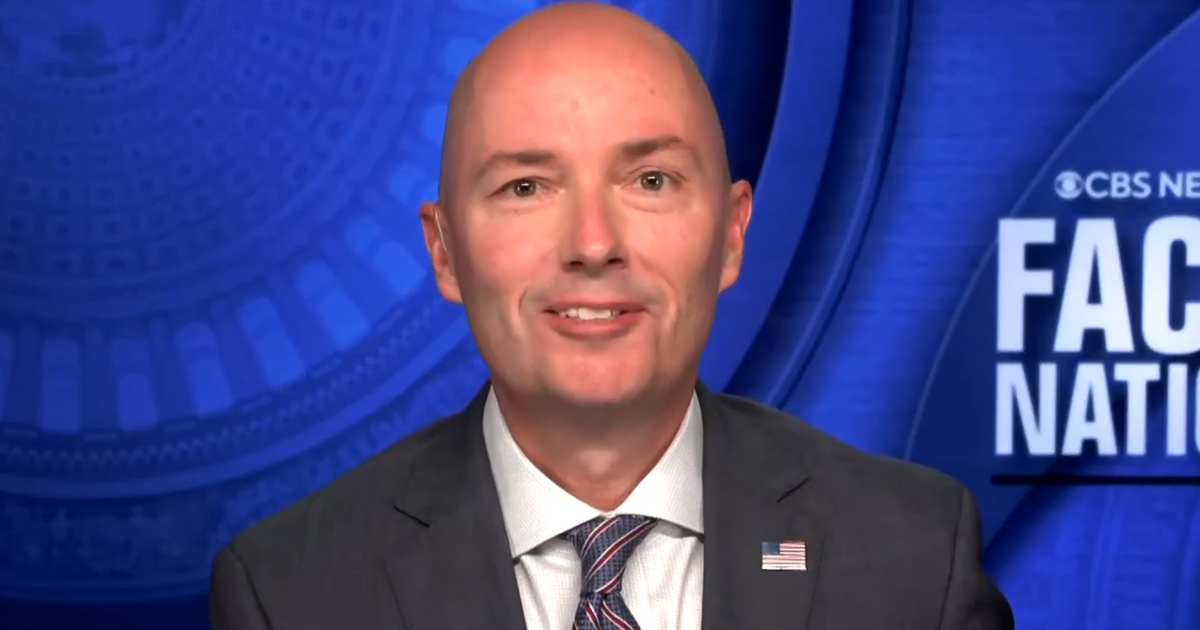
In a televised interview on September 13, 2026, Utah Governor Spencer Cox (R) called for increased federal involvement in artificial intelligence (AI) regulation and expressed concern over the national debt. Cox, who was promoting his new book "Off Ramp: How to be a Peacemaker in an Age of Contempt," argued that while a moratorium on AI is not necessary, the federal government should be working more closely with technology companies to protect the public. He cited recent developments from industry figures like Elon Musk as evidence that the potential for significant events related to AI is growing rapidly.
The governor also addressed domestic economic issues, noting that national debt has surpassed $40 trillion. Cox attributed past spikes in inflation to funds distributed during the COVID-19 pandemic and compared inflation rates to the late 1970s and early 1980s. He advocated for permitting reform to lower housing costs, stating that young people are currently struggling to afford homes and start families.
Regarding the upcoming November midterm elections, Cox discussed the potential impact of a pending Supreme Court decision on mail-in ballots. In Utah, 95% of voters used mail-in ballots in the June primary, and Cox indicated the state would prepare for any changes. He also addressed the climate of political discourse, citing a tenfold increase in threats against members of Congress over the last decade and recalling the assassination of Charlie Kirk in Utah one year prior.
For young adults and first-time homebuyers, the affordability crisis described by Cox manifests as a barrier to homeownership, which he linked to broader social trends like delayed family formation. While the governor noted that the administration has made efforts to address housing prices, he stated that the lack of congressional action on permitting reform continues to delay infrastructure projects that could eventually lower these costs.
The governor's concerns regarding AI and political violence highlight shifting priorities. The tenfold increase in threats against federal lawmakers indicates a documented rise in the risk to public officials, while the call for AI oversight suggests a push for new regulatory frameworks. As the November midterms approach, the outcome of the Supreme Court's ruling on ballots and any subsequent congressional action on permitting or AI will determine the legal and economic landscape.