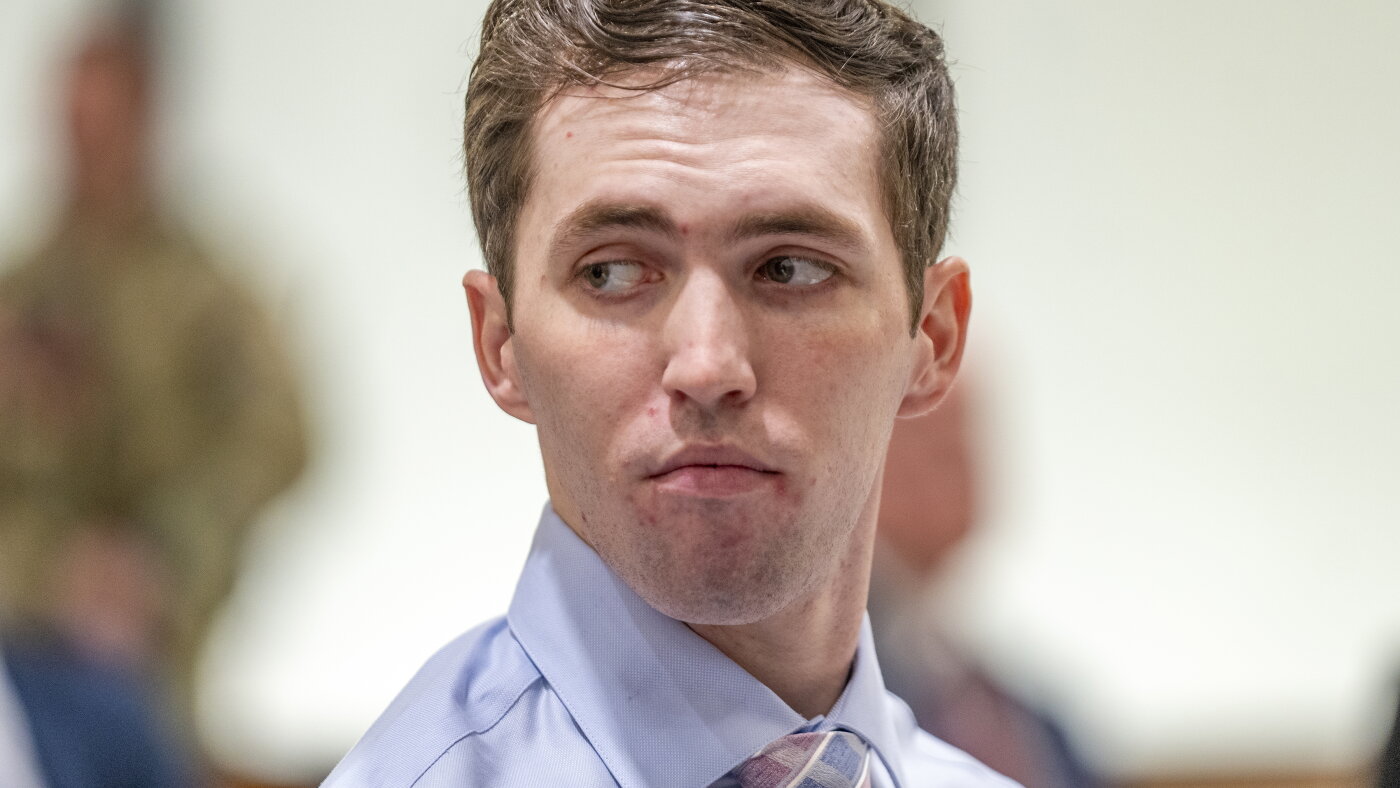
Utah District Judge Tony Graf Jr. ruled on Tuesday that 23-year-old Tyler Robinson will stand trial for the fatal shooting of activist Charlie Kirk. The ruling followed a preliminary hearing in Provo, Utah, where prosecutors presented evidence gathered since the September 10, 2025, shooting at Utah Valley University. Robinson is charged with aggravated murder, witness tampering, and several other counts related to the death of the 31-year-old activist.
Kirk was killed while speaking to a crowd of approximately 3,000 people during his "American Comeback Tour" in Orem. Authorities reported that a single bullet was fired from a rooftop approximately 150 yards away. Investigators later recovered a Mauser .30-06 caliber bolt-action rifle, which they identified as the suspected murder weapon. Robinson was arrested after a relative contacted police following the shooting, and he has not yet entered a plea to the charges.
During the hearing, prosecutors argued that Robinson targeted Kirk for political reasons, citing anti-fascist messages allegedly engraved on bullet casings. The prosecution stated that firing a high-powered rifle toward a large crowd constituted a knowing endangerment of others. Defense attorneys argued against the aggravated murder enhancement, contending that because only one shot was fired and hit its intended target, the crowd was not placed at risk. They also requested that the proceedings not be televised to preserve the potential jury pool.
The scale of the incident's impact extends to the 3,000 attendees at the 2025 rally. In August 2026, hundreds of these witnesses filed requests for state-funded victim benefits to receive mental health and trauma support. For these individuals, the trial's outcome and the legal recognition of the crowd's endangerment may influence their eligibility for ongoing assistance. The prosecution’s focus on political targeting as an aggravating factor also sets a specific legal framework for how politically motivated violence is prosecuted in the state of Utah.
For the public and residents of Provo, the trial will involve significant legal procedures, including jury selection that the defense argues could be complicated by the case's high-profile nature. The obstruction of justice charge against Robinson carries a potential 15-year prison sentence, while the firearm discharge charge carries a penalty ranging from five years to life. A trial date has not yet been set, but the judge's Tuesday ruling moves the case toward a formal presentation of evidence before a jury. Additional hearings regarding the prosecution's intent to seek the death penalty are expected to follow.