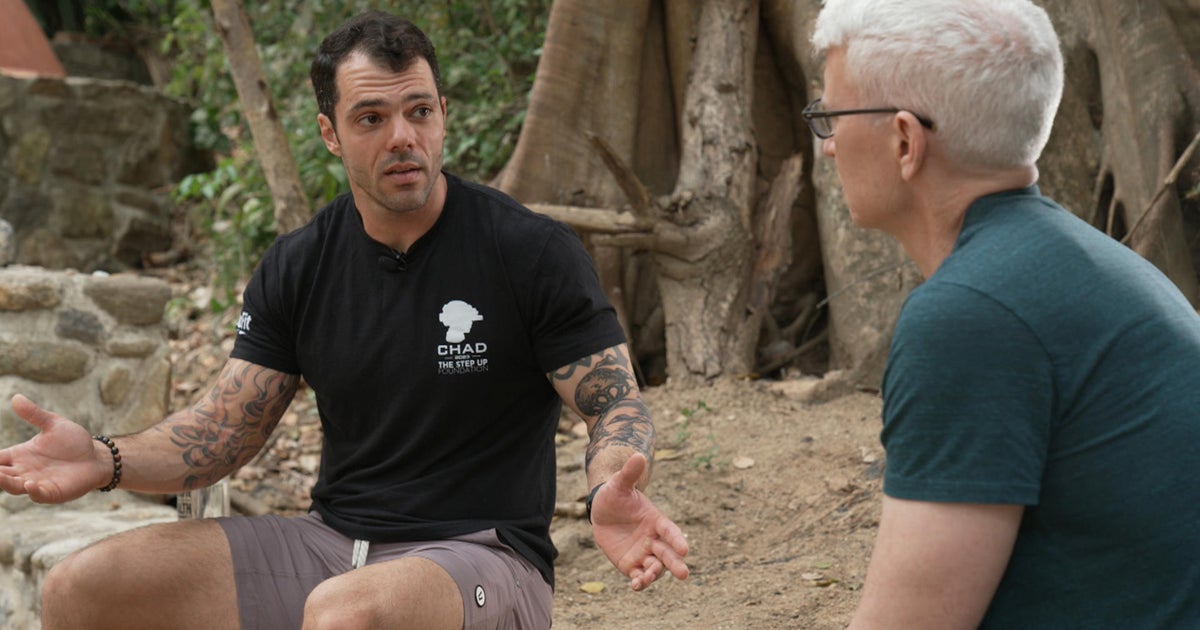
A Navy veteran who participated in a psychedelic retreat reported significant improvement in his post-traumatic stress symptoms, joining a broader discussion regarding the use of psychoactive compounds to treat trauma. Michael Giardina, who served as an operations specialist in Oman and Bahrain, used psilocybin during a program organized by the nonprofit Heroic Hearts Project in Mexico. The retreat was designed to help veterans address combat-related trauma through supervised experiences with psychedelics like psilocybin and 5-MeO-DMT.
The Heroic Hearts Project requires participants to have combat-related trauma to qualify for its programs. However, interviews conducted by 60 Minutes during the 2024 retreat found that many participants, including Giardina, had experienced significant trauma prior to their military service. Giardina detailed a history of childhood emotional abuse and the deaths by suicide of his father in 2009 and his younger sister in October 2023. These events led to periods of drug use as a teenager and thoughts of suicide in his adult life.
During the psychedelic ceremony, Giardina reported experiencing a "dark place" that involved physical trembling, which he compared to an "exorcism." He credited the presence of a staff member with helping him "let go" of long-held emotional burdens. According to a follow-up conducted nearly a year after the retreat, eight out of the nine participants reported that their post-traumatic stress symptoms had improved and described the experience as "life-changing." Giardina stated that the process helped him focus on being more present for his two daughters.
The U.S. Department of Veterans Affairs (VA) has increased its exploration of these substances, participating in 20 clinical trials involving MDMA and psilocybin. Dr. Shereef Elnahal, who served as the VA’s top doctor in 2024, stated that these therapies appear to address the root causes of trauma, which often predate military service. Elnahal noted that in one VA study, a majority of participating veterans resurfaced pre-service traumas, including instances of abuse, during their sessions.
For the individual veteran, the concrete change would be a shift from standard talk therapy or daily medications to intensive, supervised sessions involving psychoactive compounds. Based on the reported experiences, a participant might notice a significant reduction in PTSD symptoms, such as emotional "shutdowns" or suicidal ideation, within months of a single retreat. However, the cost and accessibility of these treatments remain largely dependent on private nonprofits or federal research grants, as they are not yet a standard part of VA healthcare benefits.
The broader implications involve a potential shift in how the federal government and medical institutions approach mental health and childhood trauma. By acknowledging that pre-military experiences contribute to veteran health outcomes, the VA may adjust its screening and long-term treatment models. The precedent set by these trials could also influence state and federal laws regarding the legality of psilocybin and MDMA for medical use. What happens next depends on the outcomes of the 20 ongoing VA trials and any subsequent regulatory filings with the Food and Drug Administration (FDA) to move these substances from experimental to approved clinical use.