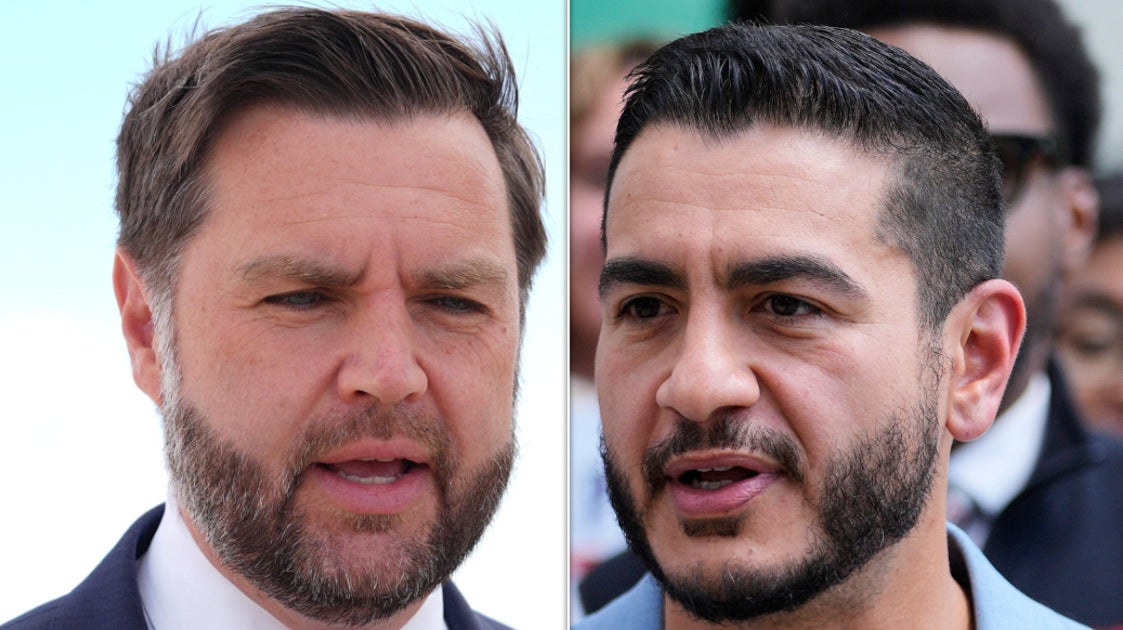
Vice President JD Vance released a video on TikTok on Tuesday, September 15, 2026, featuring a joke about arresting Michigan Democratic U.S. Senate candidate Abdul El-Sayed. In the video, Vance, who also has a beard, is shown entering a vehicle resembling a police truck while stating that Michigan had "outlawed patchy beards." The clip concluded with a montage of Vance set to the song "Sound of da Police" by KRS-One.
The social media post follows a series of public disagreements between the Vice President and El-Sayed. During a speech at an Ohio steel plant in August 2026, Vance discussed El-Sayed's Muslim identity and his comments on Islamic law. El-Sayed later responded to Vance on social media by referencing the ancestry of Second Lady Usha Vance, prompting Vance to tell El-Sayed to keep his wife's name out of his mouth. Earlier in September 2026, President Donald Trump also mocked El-Sayed and his wife, Sarah Jukaku.
On the same day the video was posted, Vance addressed House Republicans regarding the upcoming midterm elections. According to NBC News, Vance advised Republican candidates facing Democratic opponents who appear "not that crazy" to focus their campaign rhetoric on El-Sayed instead. Vance told the representatives that El-Sayed provides "enough material for the whole country." El-Sayed has addressed these interactions during an appearance on CNN, stating that Trump and Vance should "face down their own hypocrisy."
The scale of this impact involves the 435 seats in the U.S. House of Representatives and the U.S. Senate seat in Michigan. While the specific number of households reached by the TikTok video was not reported, the platform reaches millions of users, potentially influencing the public perception of candidates through non-traditional media. For El-Sayed and other Democratic candidates, this approach requires managing personal and religious characterizations alongside policy debates, which can alter the focus of a campaign staff and resource allocation.
The use of social media humor by a sitting Vice President to suggest the arrest of a political opponent, even in a joking manner, sets a precedent for how high-level officials engage with challengers. This rhetoric may influence future campaign standards and how law enforcement themes are used in political messaging. Following these statements, the next steps include the continuation of the midterm campaign cycle, with candidates likely to incorporate these themes into debates and town halls ahead of the 2026 election dates.