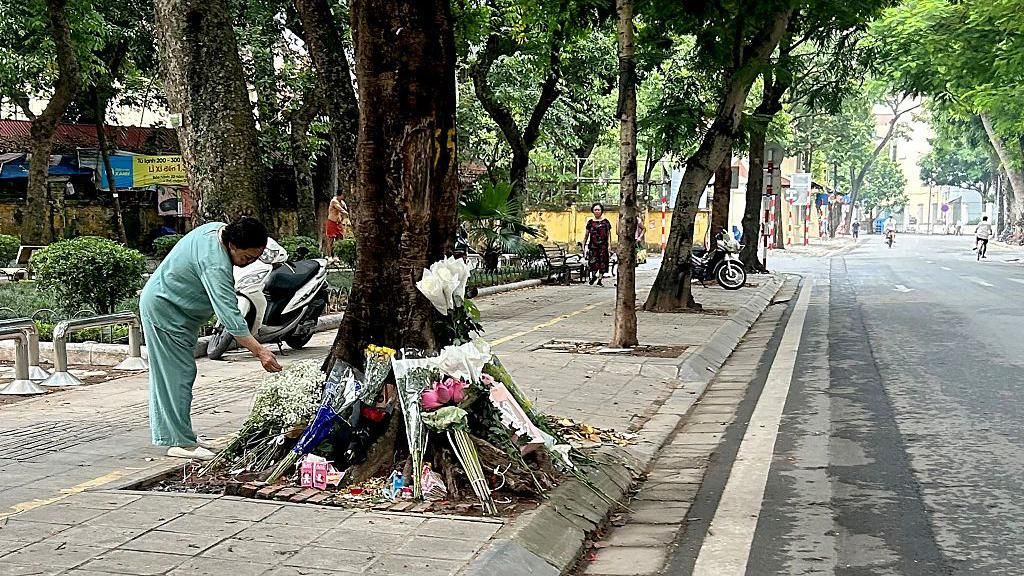
Authorities in Vietnam confirmed on Monday that a former member of parliament was the driver in a fatal 2025 traffic collision, an admission that followed more than a year of online public pressure. Former National Assembly deputy Nguyen Sy Cuong was identified as the driver of a BMW that swerved into oncoming traffic in Hanoi on May 30, 2025, striking a motorcycle. The crash killed 18-year-old Do Ngoc Phuong Thuy and injured her father, Do Viet Hung.
State broadcaster Vietnam Television (VTV) reported that Mr. Cuong was cleared of criminal liability because he confessed and "fully remedied" the results of his actions. While police and prosecution sources stated the victim's family petitioned to exempt him from prosecution, some lawyers and social media users have questioned whether the legal process followed standard due process. The specific nature of the remedy provided to the family was not disclosed in the official report.
The government's statement followed an intensive social media campaign led by users identifying as "Gen Z." Since early August, millions of posts using hashtags related to Mr. Cuong and his vehicle have circulated on Facebook, Instagram, Threads, and X. These users demanded transparency regarding the identity of the driver and criticized what they described as a lack of information from authorities. In Hanoi, mourners placed flowers at the crash site, which they named the "Justice Tree," though police reportedly removed the tributes.
The scale of the digital response involves millions of social media posts and hundreds of thousands of participants in a virtual memorial, reflecting a significant shift in how Vietnamese youth organize despite strict online speech regulations. Residents in Hanoi and other urban centers may notice increased police presence or the removal of public memorials, as authorities have labeled the online movement a potential "color revolution"—a term for nonviolent uprisings. This designation suggests that ordinary citizens participating in online mourning or calls for justice could face increased state surveillance or legal risks associated with "anti-government" activity.
The knock-on effects include a tightening of government rhetoric regarding "hostile forces" and "reactionaries" allegedly manipulating public opinion. This case sets a precedent for how the Vietnamese government handles viral dissent: by confirming specific facts to quiet rumors while simultaneously warning the public that such movements could be part of larger plots to cause disorder. What happens next depends on the lead-up to Vietnam’s national holiday on September 2. Authorities have advised the public to remain vigilant against "bad actors," and further updates on potential investigations or new regulations on anonymous social media use may follow as the government monitors for signs of unrest.