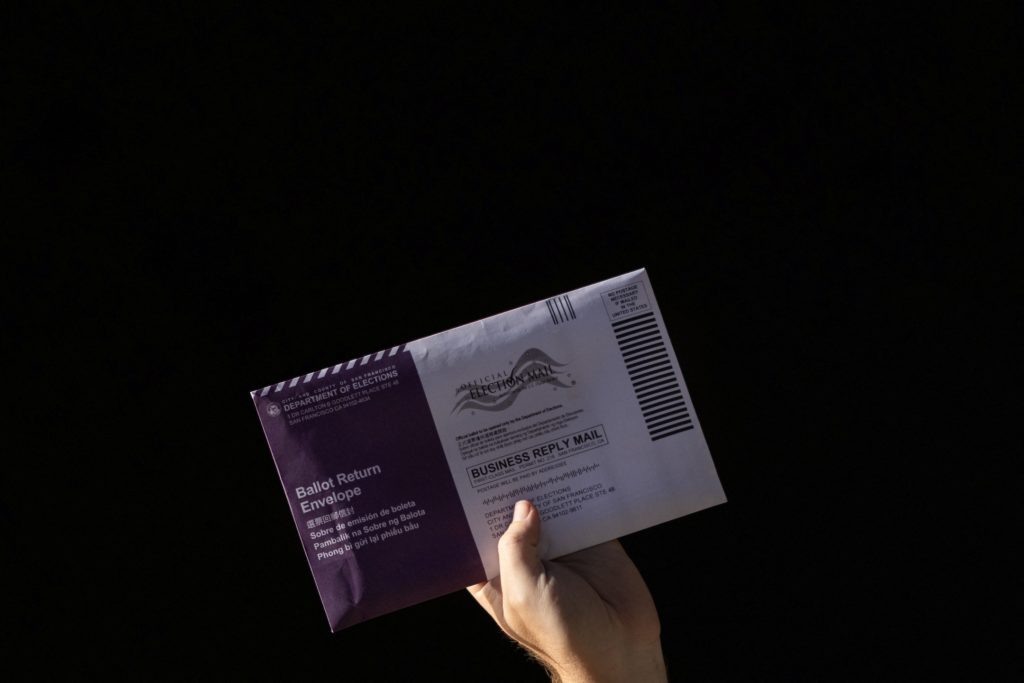
Voters in 40 states will decide on more than 140 ballot measures during the upcoming midterm elections next month. According to reporting from PBS News, the measures cover a range of policy areas, including abortion access, voter identification requirements, and transgender rights. Republicans are looking to some of these ballot questions to energize their base.
The high volume of measures follows a period of political activity regarding state-level legislation. Liz Landers of PBS News discussed these developments with Reid Wilson of Pluribus News.
While specific text for all 140 measures was not detailed, the topics identified—such as voter ID and abortion—reflect ongoing legal and legislative discussions. These measures allow citizens to vote directly on specific laws or constitutional amendments.
The outcome of these 140 ballot measures will affect residents across 40 different states, potentially altering legal rights, healthcare access, and election procedures. Because these measures are decided by direct vote, the results often have a legal impact that bypasses the traditional legislative process. For example, measures concerning voter ID could change what documentation residents must present at the polls, while abortion-related measures could either expand or restrict reproductive services within a state.
The scale of these measures touches 80% of U.S. states. The results may lead to changes in state regulations or funding priorities. Measures can determine the allocation of state taxes or establish new civil rights protections that affect specific groups, such as transgender individuals.
Successful measures in one state often lead to similar proposals in others during subsequent election cycles. The final results for these measures will be determined on election day next month, with the specific effective dates for any passed measures varying by state law and the individual text of each initiative. As of October 21, 2026, the specific implementation timelines for each of the 140 measures remain dependent on the upcoming vote.