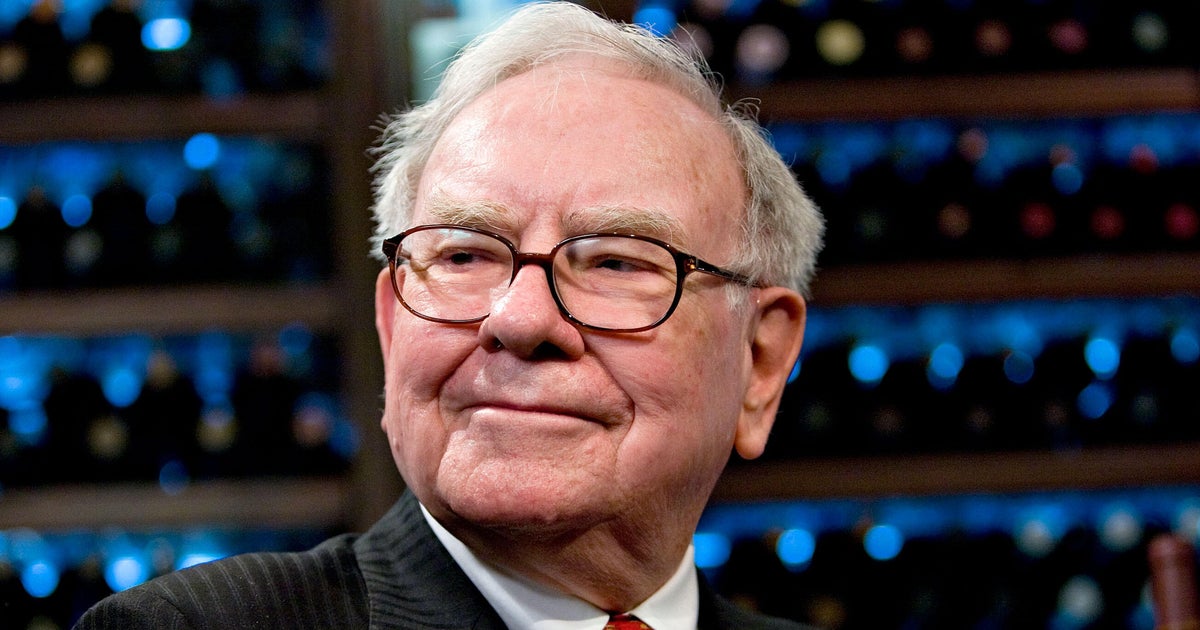
Warren Buffett announced in a letter to shareholders on a Friday that he is stepping aside as chairman of Berkshire Hathaway. The 96-year-old will transition to the role of chairman emeritus while maintaining his seat on the company's board of directors. Under the company's established succession plan, his son, Howard Buffett, will assume the role of chairman.
The transition follows Buffett's recent departure from the role of Chief Executive Officer (CEO). He previously transferred leadership of the multinational conglomerate to Greg Abel, 64, who now serves as CEO. Buffett led the company for six decades, overseeing its evolution from a struggling textile manufacturer into a global holding company.
In his letter, Buffett stated that Berkshire Hathaway had reached a point where he felt confident in its future leadership. He noted that the company is in "excellent hands" and expressed his intention to remain a shareholder. The company stated that Abel is responsible for maintaining Berkshire’s decentralized business model while seeking new growth opportunities for the firm.
Investors and market analysts will be monitoring how the new leadership team—led by Howard Buffett as chairman and Greg Abel as CEO—manages the company’s capital and decentralized structure. The source did not report specific dollar amounts for the transition or direct changes to individual shareholder dividends or taxes. However, the shift marks the final step in a leadership handover that was previously expected by some investors to occur only after Buffett's death.
The succession plan is now fully active following the initial CEO transition in May 2025. While Buffett remains on the board as chairman emeritus, the day-to-day operations and strategic oversight are now the responsibility of Abel and the younger Buffett. The source did not specify a precise effective date for the chairman transition beyond the announcement Friday, nor did it outline further votes or regulatory hurdles.