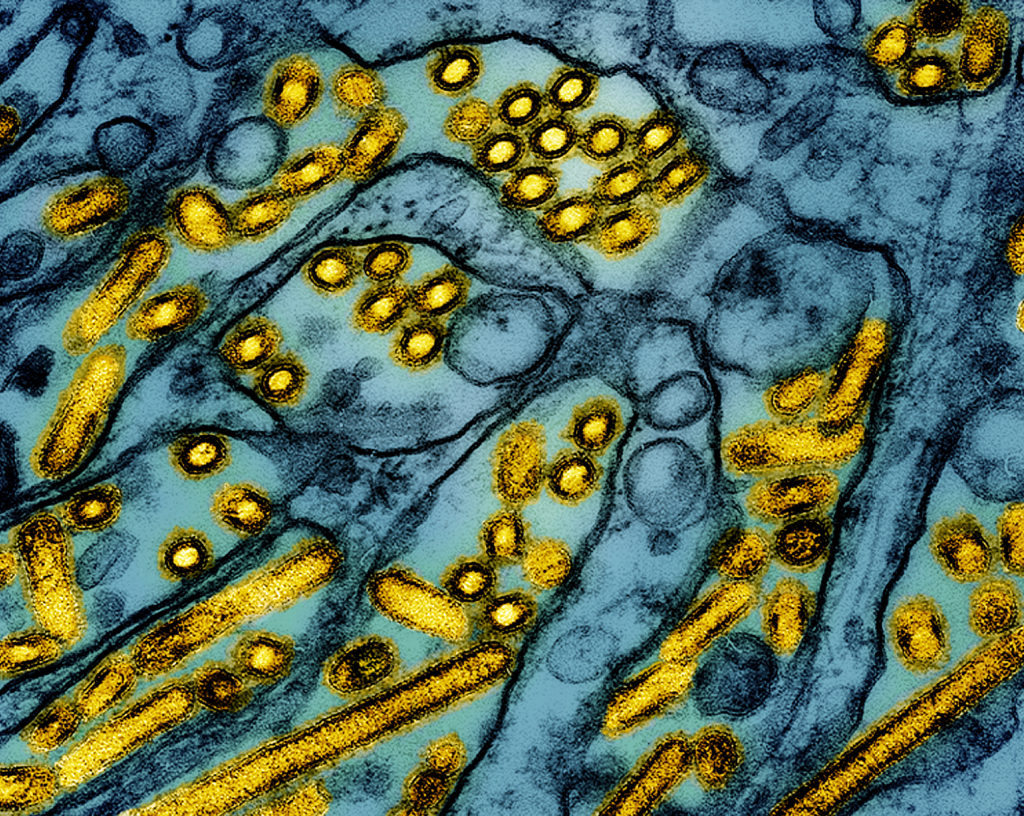
A Yakima County, Washington, resident died Sunday, November 1, 2026, due to complications from bird flu, according to county health officials. The individual, who had previous health conditions, was hospitalized following exposure to the virus at a dairy with infected cattle. This death marks the first U.S. fatality attributed to avian influenza in a year and the third since the virus became a national public health concern in 2024.
The Yakima Health District is working with the Washington State Department of Health to identify and monitor individuals who were in close contact with infected people. In Yakima County, officials have reported that 33 dairy herds recently tested positive for H5N1. While three human infections in the county have been linked to dairy exposure, health authorities have not released identifying information regarding the deceased resident.
A Centers for Disease Control and Prevention (CDC) spokesperson stated on Monday, November 2, that a genetic analysis of the virus from the deceased patient showed no mutations that would suggest increased person-to-person transmission or higher disease severity. According to the CDC, more than 70 human infections have been reported in the U.S. since the start of 2024, most involving agricultural workers. The agency maintains that the risk to the general public remains low as there is no known human-to-human spread.
Individuals handling sick or dead birds are urged to take precautions, including wearing personal protective equipment (PPE), such as respiratory and eye protection and gloves. These safety protocols are intended to prevent the virus from crossing from animals to humans, a process linked to at least three cases in Yakima County. Public health officials are monitoring to detect potential changes in how the virus behaves, as a shift toward person-to-person transmission would change the public health response.
What happens next depends on the ongoing monitoring of close contacts in Washington state. Health officials continue to urge workers to report symptoms. National surveillance by the CDC will continue as the virus persists in wild birds, poultry, and U.S. livestock. Genetic sequencing remains a tool for federal agencies to ensure the virus has not developed the ability to spread more easily among people. As of November 2, no changes to public health guidance for the general population have been issued.