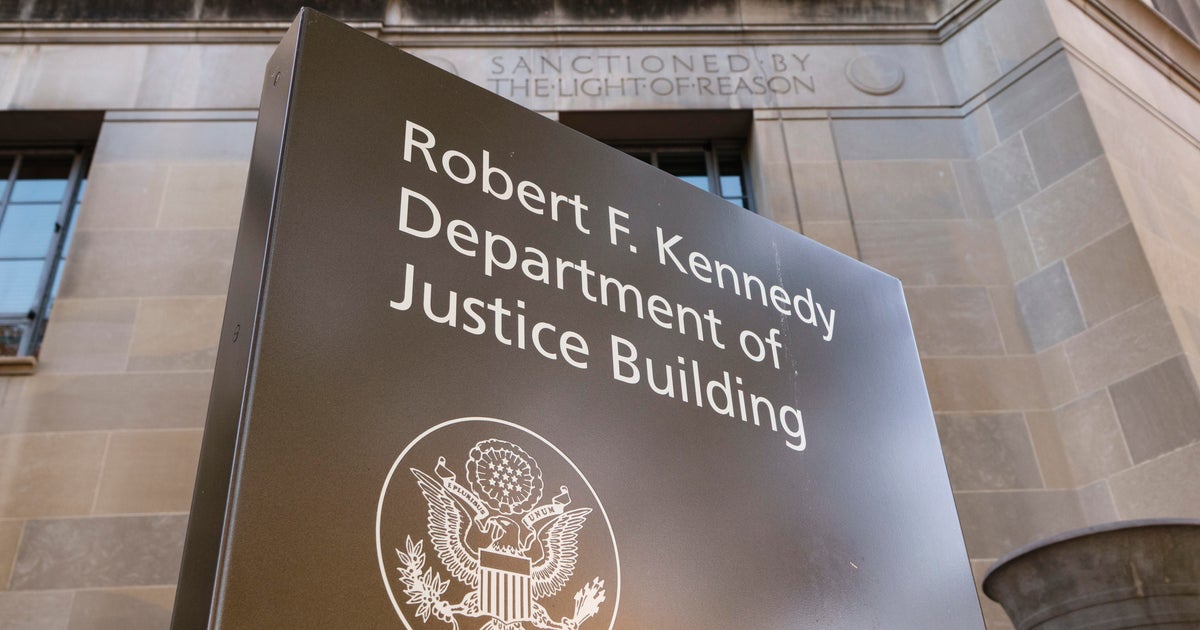
The U.S. Department of Justice (DOJ) has moved to terminate more than 50 school desegregation cases that have remained on federal court dockets for decades, according to reports released Thursday by the watchdog group Red Line for Civil Rights. The group, an oversight project of Democracy Forward, found that in at least 18 of these cases, the department supported dismissals without first asking federal courts to determine if the school districts had eliminated the vestiges of past discrimination.
These cases involve court-monitored consent decrees, some dating back to the 1960s and 1970s, which were established following the 1954 Supreme Court decision in Brown v. Board of Education. The Justice Department’s Civil Rights Division has utilized these legal actions to protect students from racial discrimination by overseeing changes to student assignments, faculty distribution, and facilities. As of May 2022, the DOJ represented the government in approximately 140 such cases.
The Red Line for Civil Rights analysis found that since January 20, 2025, the DOJ has supported dismissals in at least 56 school districts by formally withdrawing or not opposing motions to end oversight. Assistant Attorney General Harmeet Dhillon stated in September that the department is ending "prolonged federal oversight" because these "onerous and outdated consent decrees" do not reflect the reality of modern classrooms. Dhillon said the move allows districts to redirect taxpayer funds from legal compliance back to students.
Red Line for Civil Rights reported that the DOJ switched positions in a Concordia Parish, Louisiana, case. After proposing a new agreement in 2024 to address persistent discrimination, the department under the current administration joined the school board’s motion to dismiss. While a U.S. District Court judge initially declined to dismiss the case because "unitary status"—a Supreme Court term meaning the elimination of past discrimination—had not been demonstrated, the school board appealed and the case was ultimately terminated.
The dismissal of these cases affects students, faculty, and administrators in at least 56 school districts across the country. According to the Red Line for Civil Rights report, the DOJ has also shut down or withdrawn from more than 36 other cases involving Black, Latino, and Native American residents, such as challenges to police hiring tests and Voting Rights Act lawsuits. These actions impact how local governments and school boards manage student assignments, hiring practices, and facility funding.
For families in these districts, federal court monitoring of racial equity in student and staff assignments, transportation, and extracurricular activities will cease. Supporters of the dismissals, including the DOJ's Civil Rights Division, state that school districts will benefit by no longer spending resources on decades-old litigation. Critics, including former DOJ career attorneys Megan Marks and Regan Rush, argue that ending oversight without a court finding of unitary status means federal authorities will no longer be tracking whether discrimination persists in those communities.
The shift in enforcement strategy has coincided with a reduction in personnel within the Civil Rights Division, with Red Line for Civil Rights reporting that hundreds of career staff have left since the start of the administration. Following the DOJ's September 24 announcement of the dismissals, Democracy Forward and congressional representatives including Rep. Bobby Scott (D-VA) and Rep. Jamie Raskin (D-MD) have criticized the retreat from these cases. No further court dates for the 18 specific cases mentioned were reported.