A report released on Thursday, September 24, 2026, by the Government Accountability Office (GAO) found that U.S. Immigration and Customs Enforcement (ICE) has spent tens of millions of dollars on detention projects that were later abandoned or mismanaged. The watchdog stated that the agency lacks a comprehensive strategic plan to guide its expansion of detention capacity following an increase in federal funding.
The report follows growth in the U.S. detention network after President Donald Trump returned to office in January 2025. Congress subsequently provided ICE with $45 billion for detention expansion through the One Big Beautiful Bill Act (OBBBA). According to federal data, the detainee population rose from 39,000 in January 2025 to 67,000 by late July 2026.
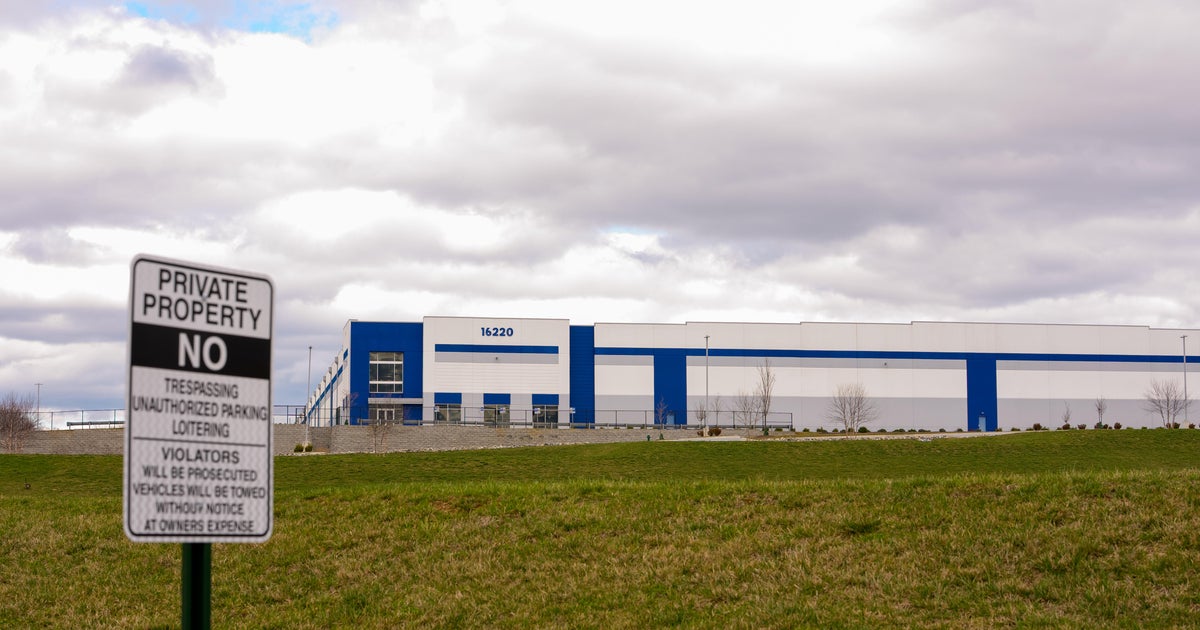
The GAO documented $20 million in unrecoverable costs related to the purchase of 11 warehouses for $1.07 billion. ICE originally intended to convert these into detention centers but now plans to sell seven of them after they failed to house any detainees. Additionally, the agency spent $2.85 million on tents at Guantanamo Bay that did not meet detention standards and were never used. Investigators also found that ICE paid the state of Florida $608.4 million through FEMA reimbursements for a now-closed facility nicknamed "Alligator Alcatraz," at a daily rate 171% higher than the agency's typical cost.
Heather MacLeod, director of Homeland Security and Justice at GAO, stated that a "lack of planning" led to "stops and starts which have ultimately resulted in waste." In response, a Department of Homeland Security (DHS) spokesperson said the agency is working at "turbo speed" to deliver on the mandate for mass deportations and noted that the funding provided by OBBBA allows for more flexibility. However, a budget analyst noted that appropriating funds outside the typical annual process has led to a breakdown in standard congressional oversight systems.
Individual detainees and local communities are affected by the physical infrastructure changes. While ICE has recently awarded contracts that could reach $10 billion for expansion and new construction, the GAO report highlights that many projects, such as those at military bases or purchased warehouses, have remained empty or faced legal challenges. In Florida, the state received $249 per detainee per day for the "Alligator Alcatraz" facility before it was closed following reports of substandard conditions, compared to the median ICE rate of $92. Meanwhile, at eight facilities operated by the Bureau of Prisons, ICE is paying double its median rate, or $182 per day, to cover staffing costs such as overtime.
The knock-on effects include potential losses if the agency sells its seven unused warehouses for less than their $707 million purchase price. Furthermore, the DHS Inspector General is conducting additional audits into ICE’s air charter operations and its acquisition of detention space to determine if the spending was cost-effective. While DHS has agreed to the GAO’s recommendation to create a strategic plan, the agency does not expect to finalize it until August 31, 2027. The GAO warned that this timeline may be too late to prevent further waste as ICE continues its push to double the number of available detention beds.