Western U.S. states are experiencing varying levels of success in passing laws that require homeowners to use fire-resistant materials and manage vegetation. While research indicates these measures reduce the likelihood of home destruction, state and local governments face public pushback regarding property rights, environmental concerns, and insurance stability.
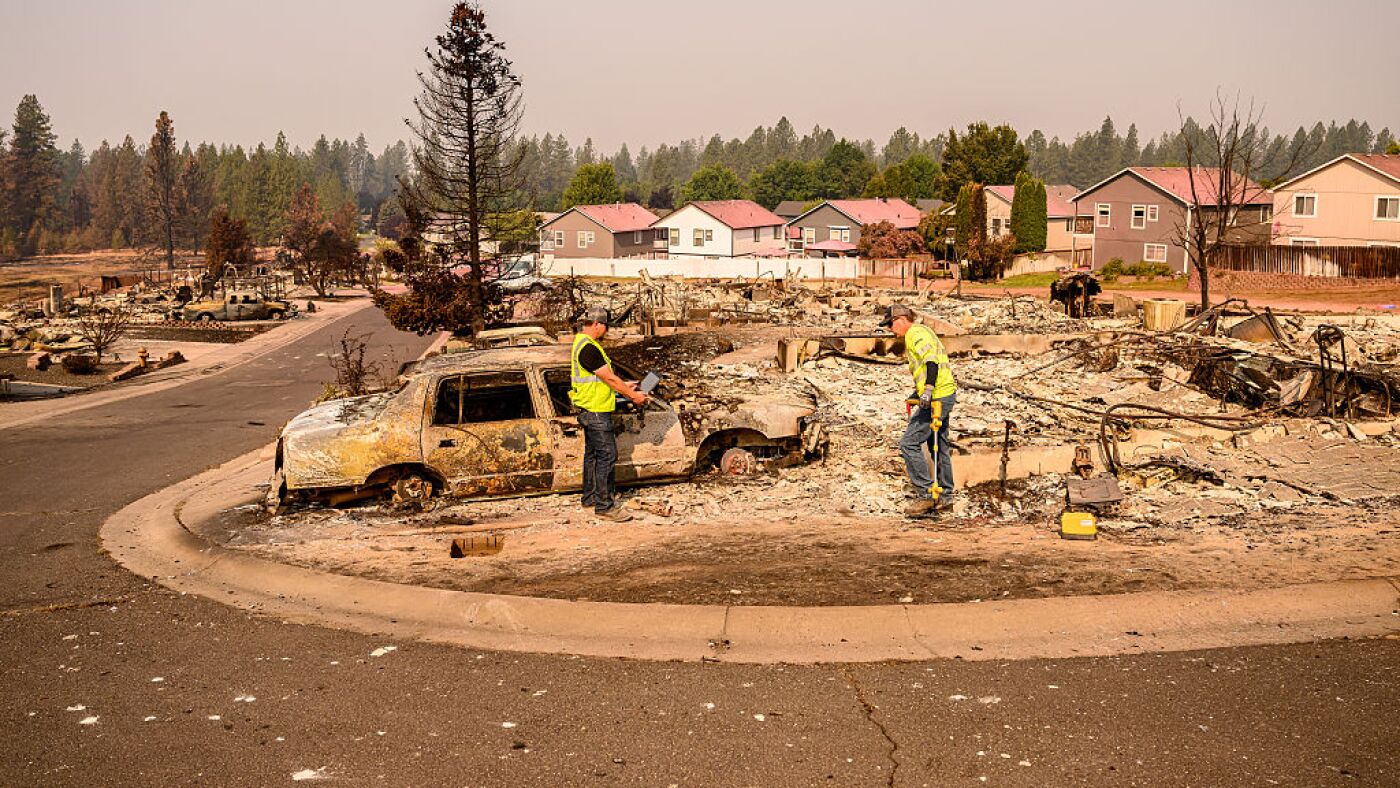
Wildfire regulations are managed at the state and local levels, creating a patchwork of building codes across the region. In Washington, recent wildfires in Spokane destroyed more than 800 homes and buildings, prompting renewed debate over statewide safety rules. A 2024 Washington law requires fire-resistant materials for new construction but removed requirements for vegetation management after public opposition.
In Oregon, state officials repealed wildfire rules last year following concerns that state risk maps would lead to insurance cancellations. Conversely, Colorado and Utah recently passed new building code and vegetation rules. California has maintained fire-resistant construction standards for nearly 20 years and is currently considering stricter rules for "zone zero," the area within five feet of a structure.
The scale of impact is significant as insurance companies increasingly cancel policies due to rising wildfire costs. In states without uniform building codes, homeowners may find it difficult to secure affordable coverage. For example, Oregon passed a law in 2023 to prevent insurers from using state-produced risk maps, though experts note that private insurance companies continue to use their own proprietary data to set rates and determine eligibility.
The concrete day-to-day change for residents involves legal requirements for how they maintain their property. In some areas, this includes a mandate to keep tree branches at least 10 feet from structures or to limit all greenery within five feet of a home. While these measures are designed to provide firefighters a safer environment to defend buildings, they have drawn opposition from groups like the Tahoma Bird Alliance, which expressed concern that mass tree removal could damage bird habitats and reduce shade during heat waves. The next major milestone occurs in December, when Washington is set to release updated hazard maps that will trigger new building requirements.