An Israeli military whistleblower has reported that the Israel Defense Forces (IDF) utilize a policy of "retrospective incrimination" to justify high-casualty attacks on civilians or sensitive sites in Gaza. The soldier stated that when the military faces a crisis regarding death tolls, they attempt to reframe the victims as Hamas members to improve international perception, a process they also termed "retrospective reframing."
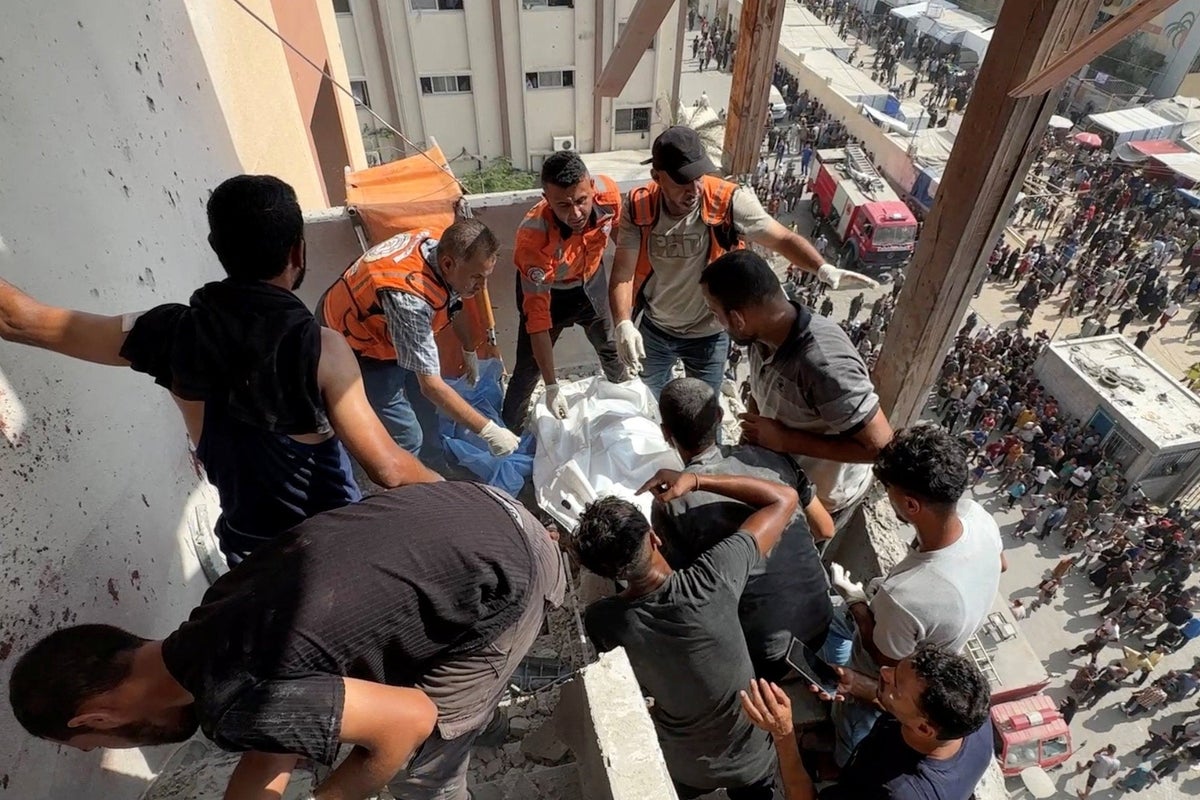
The account, provided through the Israeli veterans' group Breaking the Silence, specifically references an August 25, 2025, attack on the Nasser medical complex in southern Gaza. The strike killed 22 people, including five journalists. The whistleblower alleged that the IDF characterizes all cameras in Gaza as "legitimate targets," regardless of their use by media personnel. While the IDF claimed the target was a camera positioned by Hamas, the equipment was later identified as belonging to Reuters.
Additional details from an investigation into the Nasser hospital strike indicate that the military fired four tank projectiles. The first hit a Reuters camera, killing a cameraman, and a second hit a medic rest area. Eight minutes later, two more projectiles were fired as responders gathered, killing 20 more people. The whistleblower stated that the Golani Brigade had received approval from Southern Command leadership to strike the camera four days prior, having labeled it a "Hamas camera."
For civilians and aid workers in Gaza, this reported policy suggests a concrete change in day-to-day safety risks. If cameras are treated as military targets, journalists and media organizations would notice that their equipment, intended for documentation, serves as a trigger for lethal force. Furthermore, the practice of "retrospective incrimination" means that families of those killed may find their relatives officially designated as "terrorists" by the military after their death, impacting their legal standing and public record. The IDF has already attributed "terrorist" status to six individuals killed in the Nasser strike, though local administrators identified them as civil defense and hospital workers.
The knock-on effects of these procedures include a potential reduction in documented evidence from conflict zones if journalists are deterred by the targeting of their equipment. It also sets a precedent for how high-casualty events are investigated internally. Breaking the Silence Executive Director Nadav Weiman stated these procedures are used to avoid carrying out real investigations into military conduct. Currently, the Israeli military has declined to respond to specific findings, stating that a review is ongoing under the General Staff Fact-Finding and Assessment Mechanism. No completion date for this review has been reported.