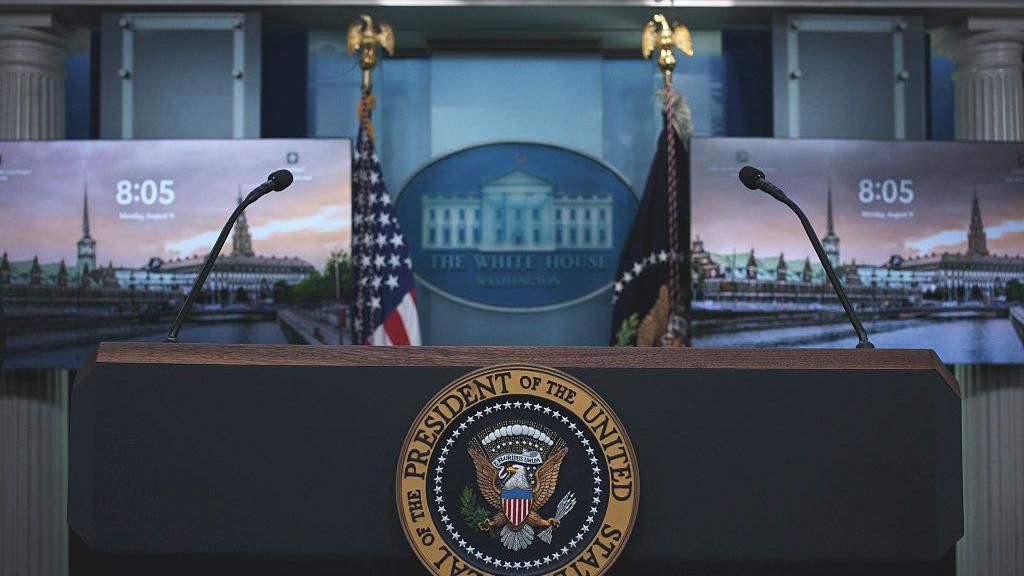
White House Press Secretary Karoline Leavitt will step down from her position at the end of the month, prompting the Trump administration to begin searching for a successor. President Donald Trump announced the departure, describing Leavitt as one of his "most trusted aides" who served the administration with honor. As of Thursday, no official decision has been made regarding who will fill the role permanently.
The press secretary position involves managing the administration’s relationship with the media, providing media advice to the president, and overseeing a White House office that handles a high volume of daily inquiries. During a period earlier this year when Leavitt was on leave, high-ranking officials including Vice President JD Vance and Secretary of State Marco Rubio conducted press briefings. Sources close to the administration suggest the White House may return to that system on a temporary basis.
Several individuals have emerged as potential candidates for the vacancy, including current and former administration officials and media personalities. Alina Habba, a former personal lawyer for Trump and former White House counselor, and Katie Miller, a former press secretary to Vice President Mike Pence, are among those mentioned. Other potential candidates include White House communications director Steven Cheung, deputy press secretary Anna Kelly, former television anchor Sage Steele, and political commentators Tricia McLaughlin and Scott Jennings.
The scale of the role is defined by its reach; the press secretary manages the daily flow of information to hundreds of news organizations that reach millions of households. A change in leadership at the podium can result in concrete differences in how the administration handles the White House press corps, potentially altering the frequency of televised briefings that citizens rely on for direct information from the government. The office also oversees a staff that processes thousands of media requests annually, impacting how quickly reporters receive answers to questions about government operations.
The appointment of a successor will set the tone for the administration's media strategy for the remainder of the term. If the White House continues to use high-ranking cabinet members for briefings as it did during Leavitt's prior absence, it would represent a departure from the traditional model of a single designated spokesperson. A final decision on the appointment is expected following Leavitt's departure at the end of August 2026. Until a permanent successor is named, the administration has not specified who will manage day-to-day media operations.