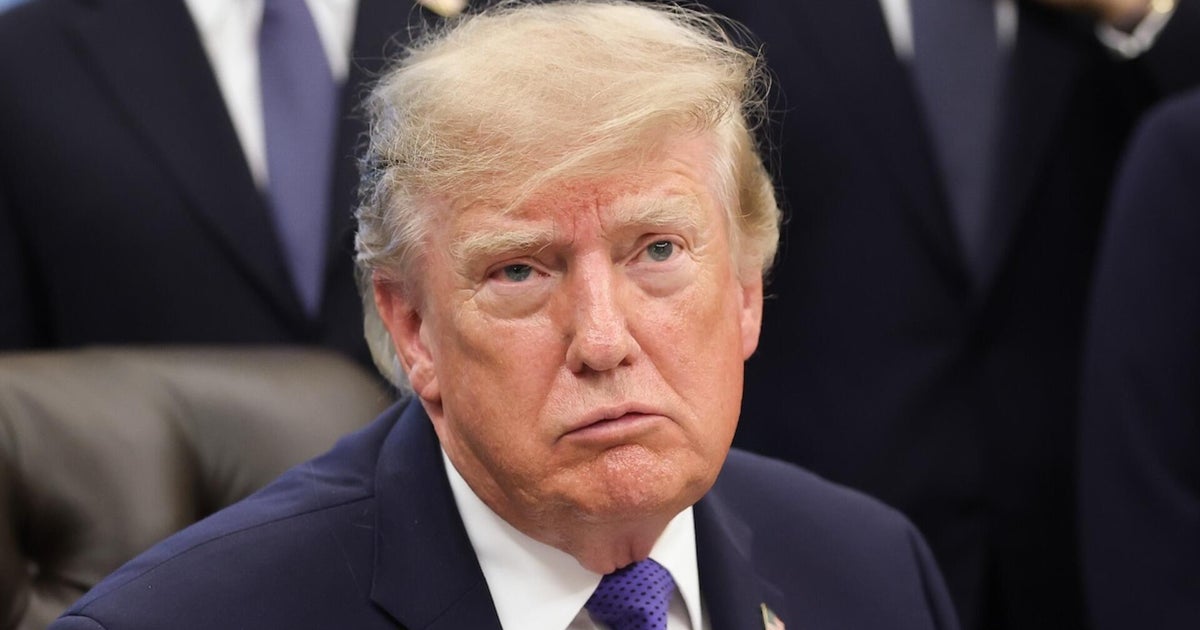
President Donald Trump has announced one-time healthcare payments to millions of Medicare and Affordable Care Act (ACA) enrollees, which the White House describes as an effort to lower costs for seniors and families. The administration began distributing $500 checks to approximately 1 million ACA enrollees on September 30, and plans to send $90 payments to more than 20 million Medicare Part B participants starting in early October.
The announcement comes as healthcare premiums for both programs have increased. The administration stated the ACA payments are refunds for overcharges for individuals who did not receive insurance subsidies. The Medicare payments, which the administration says are authorized by the Medicare Improvement Fund, are intended to help beneficiaries defray the cost of Part B premiums.
According to a KFF analysis, average ACA premiums rose by $780 in 2026, a 58% increase from the previous year, following the expiration of enhanced premium tax credits in December. Similarly, Medicare Part B premiums increased by more than $200 annually in 2026, with an additional $79 increase projected for 2027 by the Medicare trustees. Health policy experts, including representatives from KFF and the National Committee to Preserve Social Security & Medicare, stated that while the one-time payments are helpful, they do not fully offset these ongoing cost increases.
The payments affect approximately 21 million people, but eligibility requirements exclude millions of others. The $90 Medicare rebate is limited to the 20.8 million beneficiaries enrolled in Original Medicare Part B who live in the U.S., do not receive Medicaid premium assistance, and do not pay income-related adjustments (IRMAA). Those in Medicare Advantage plans are excluded, leaving roughly 40 million Part B recipients without a check. For ACA enrollees, the $500 refund is limited to 1 million people across 30 states who used federal exchanges and did not receive subsidies, leaving out approximately 18 million other enrollees.
For a household receiving a check, the scale of the relief is $90 or $500, yet the reported annual premium increases are $200 and $780 respectively. This means a senior on Medicare Part B would still face a net increase of $110 in annual medical costs even after the $90 payment. Most eligible Medicare recipients are expected to receive the funds through direct deposit from the Social Security Administration around October 8, while those without direct deposit will receive paper checks later in the month. ACA enrollees began receiving their $500 checks at the end of September.
The timing of these payments, arriving weeks before the November 3 midterm elections, has led to criticism from Democratic lawmakers like Sen. Ron Wyden (D-OR), who characterized the move as an attempt to influence voters. Beyond these immediate checks, President Trump has proposed a $5,000 payment to every U.S. adult, which would require congressional approval and is estimated to cost more than $1 trillion. The administration maintains that existing legal authorities, such as the 2008 Medicare Improvement Fund and surplus marketplace user fees, allow for the $90 and $500 payments without new legislation. Distribution of Medicare checks is scheduled to continue throughout October.