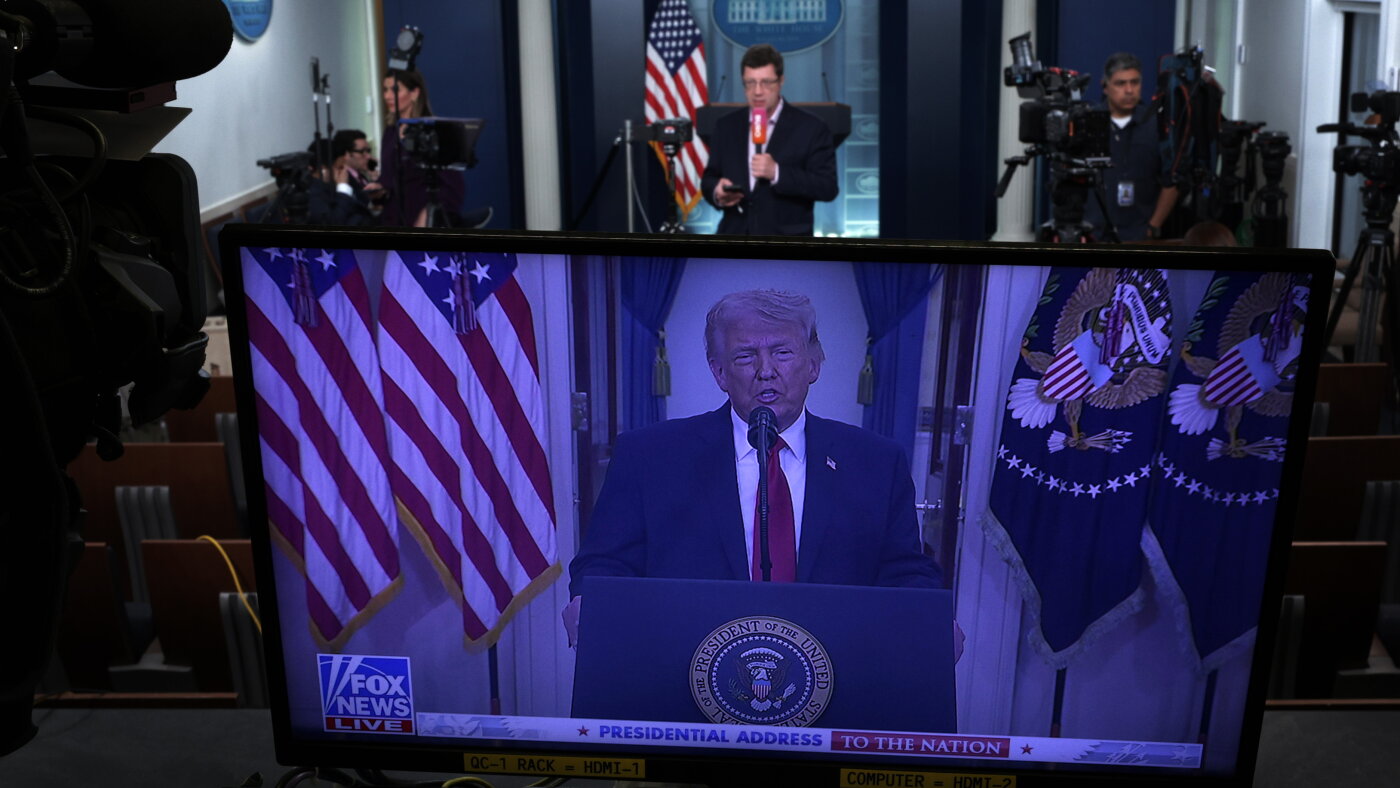
The Trump administration launched a 24/7 YouTube channel and mobile app feature called "Trump TV" on Monday night, September 21, 2026. The platform broadcasts White House announcements, speeches, and archived footage directly to the public. The launch follows a Friday announcement that the administration would bar reporters from CNN, MS NOW, and Politico from White House access, a decision the president attributed to what he characterized as inaccurate reporting and "Fake News."
In response to the ban, the three affected media organizations filed a federal lawsuit on Monday alleging violations of First and Fifth Amendment rights. Furthermore, the five major networks that comprise the White House television pool—ABC, CBS, NBC, Fox News, and CNN—suspended their joint pool coverage in protest. This collective action led to immediate technical issues for the White House's own livestreams, as the absence of pool camera crews and boom microphones left a Monday event at a new helipad without audible audio of the president's remarks.
"Trump TV" debuted with the tagline "The Essentials Station" and featured a July 3 speech from Mount Rushmore. White House spokesman Kaelan Dorr stated the channel provides an "unfiltered" stream of administration events, asserting that traditional press outlets had failed to accurately report on the administration's accomplishments. Meanwhile, Democratic officials, including California Gov. Gavin Newsom and Arizona Sen. Mark Kelly, described the venture as "state-run media." A White House official dismissed these characterizations, comparing the channel to a politician's social media feed.
The scale of the impact involves a potential precedent for executive branch communication. U.S. District Judge Timothy Kelly, who was appointed by President Trump, is overseeing the lawsuit and has previously ruled that the White House must afford journalists due process before stripping credentials. In 2018, Judge Kelly ordered the restoration of a press pass for a CNN correspondent, a move the president referenced on Monday when he suggested the judge might rule against the administration again. If the ban remains, it shifts the responsibility for recording and distributing video of the president entirely to government-managed platforms rather than independent media pools.
The move has prompted a boycott by shared media services, including NPR, which stated they will not use White House-provided audio or video until further notice. This tension could alter the availability of independent broadcast footage for local news stations and international outlets that rely on the pool feed. A federal hearing to consider an emergency lifting of the ban is scheduled for Wednesday afternoon, September 23, 2026. The administration faced a Tuesday deadline to respond to the lawsuit in court.