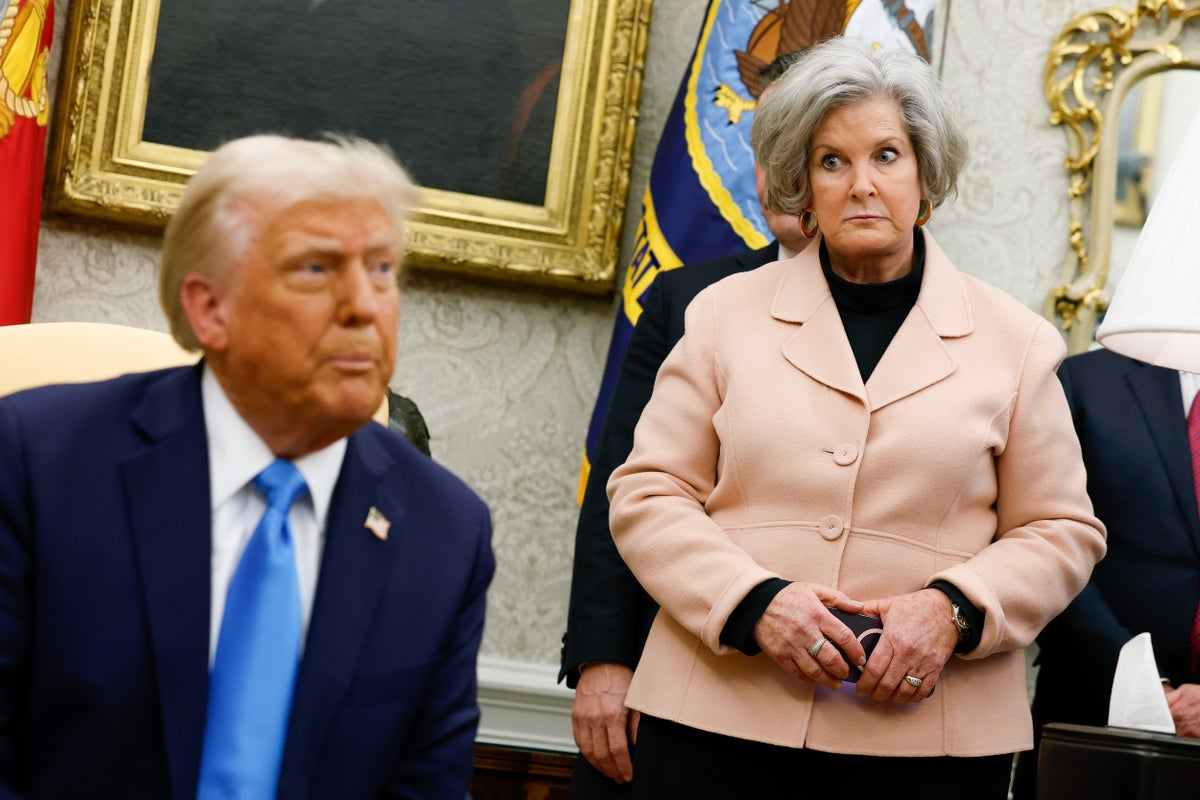
President Donald Trump announced on Friday, October 16, 2026, that White House Press Secretary Katie Zacharia had left her position after five days in the role. Speaking on the South Lawn before departing for a rally in Georgia, Trump stated he told Zacharia she did not have to continue in the position due to what he described as "nasty" treatment from the news media. A White House official confirmed her departure shortly after the president's remarks.
Zacharia’s tenure began on Monday, October 12, and concluded the following Friday. Her five-day term is shorter than the 11-day tenure of former communications director Anthony Scaramucci in 2017. Scaramucci acknowledged the event on social media, writing that while records are made to be broken, he took "no pleasure in other people’s pain."
According to insiders who spoke to The Independent, Trump offered Zacharia the job without telling White House Chief of Staff Susie Wiles. Wiles had reportedly spent weeks attempting to recruit CNN commentator Scott Jennings to succeed Karoline Leavitt in the role. Sources stated that Trump reached out to Zacharia directly after seeing her perform as a surrogate on television.
The decision to bypass Wiles reportedly led to internal speculation within the West Wing regarding her potential departure from the administration. Wiles has served as chief of staff for nearly two years, a period during which the administration had seen fewer internal feuds and leaks compared to previous leadership. Trump’s frustration had reportedly grown in recent weeks due to what he perceived as a lack of high-profile surrogates defending him on television.
The scale of this transition involves the replacement of a key staffer within one work week. While the specific salary for the press secretary was not reported, the role typically oversees a team of media professionals and coordinates messaging for the federal government. The reported circumvention of the Chief of Staff’s hiring process marks a change for an administration that, according to sources, had maintained a stable West Wing environment for two years.
The move establishes a precedent for how personnel decisions may be handled moving forward in the second term. If the president continues to bypass established vetting and hiring structures led by the Chief of Staff, it could affect the stability of other departments and the morale of workers who rely on chains of command. The effects include renewed internal jockeying among staff and potential changes in how the White House interacts with television surrogates. What happens next is the appointment of an acting or permanent press secretary; however, no specific date for a new hire or a follow-up briefing has been announced.