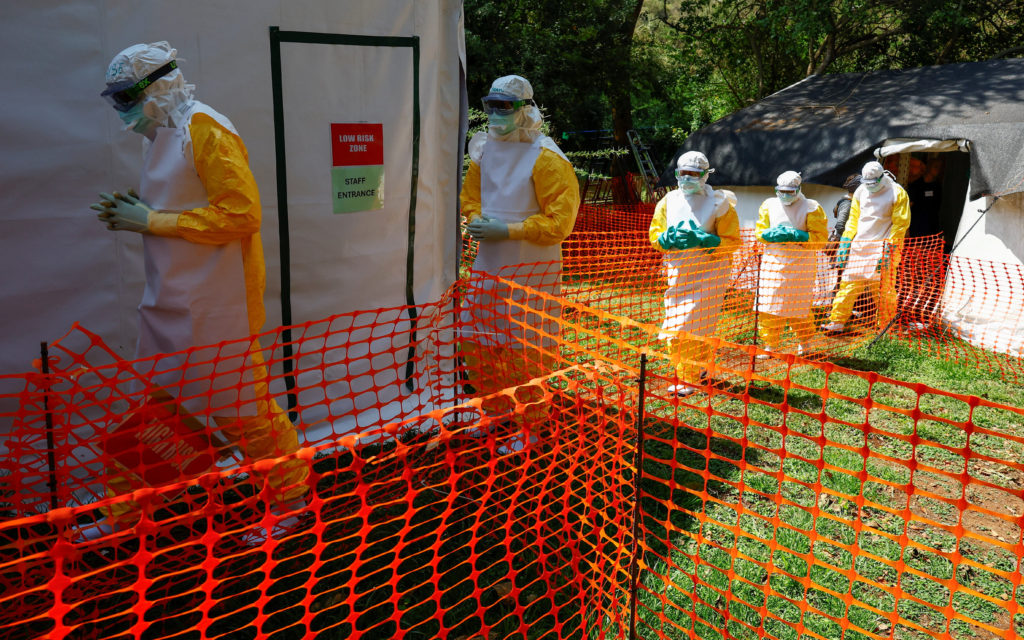
The World Health Organization (WHO) announced Monday that a rapidly expanding Ebola outbreak in the Democratic Republic of Congo began in February, approximately three months before it was officially declared in May. Regional Director for Africa Dr. Mohamed Yakub Janabi reported that genetic sequencing revealed the earlier start date, noting that initial cases were misdiagnosed as malaria or typhoid. This delay has left health responders struggling to contain the virus as it continues to spread ahead of intervention efforts.
The current outbreak, which was formally declared on May 15, is caused by the Bundibugyo virus strain. This specific virus is rare and currently lacks any approved vaccines or treatments, distinguishing it from more common Ebola strains. Health officials reported that early testing focused on other Ebola types, which further contributed to the delay in identifying the Bundibugyo outbreak.
According to government figures, confirmed cases have reached 4,200 with more than 1,900 deaths. Health teams are currently operating under difficult conditions, including strikes by unpaid health workers, threats from rebel groups, and significant infrastructure challenges such as unpaved roads and limited water access for displaced populations. WHO Director-General Tedros Adhanom Ghebreyesus stated that new cases are doubling in some areas, with 60% to 70% of new infections occurring outside of monitored contact lists.
The scale of the crisis represents the fastest-growing Ebola outbreak on record, surpassing the initial speed of the 2014-2016 West Africa epidemic. While that previous outbreak killed more people in total, it took eight months to reach 1,000 deaths, a milestone this outbreak reached more quickly. Beyond the immediate health risk, the outbreak is exacerbating hunger and placing a strain on a population already affected by years of rebel conflict. The daily reality for many involves navigating a high risk of contagion from bodily fluids or contaminated surfaces while lacking reliable water sources for basic sanitation.
The WHO currently assesses the global risk of spread as low, as the virus is not airborne and requires direct contact with bodily fluids. However, the precedent of late detection highlights ongoing gaps in regional surveillance and diagnostic capabilities. Moving forward, health authorities face the challenge of containing the virus in "hot spots" where cases are doubling. Future efforts will depend on the ability of health teams to secure protective gear and establish trust in communities where misinformation remains prevalent. No specific end date for the outbreak has been projected.