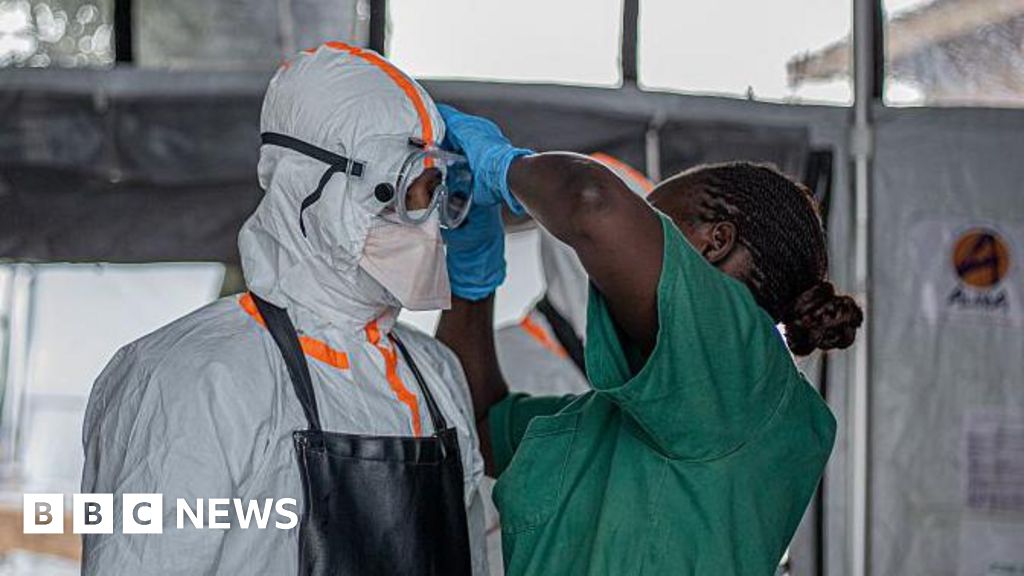
The World Health Organization (WHO) warned on Monday that an Ebola outbreak in the Democratic Republic of Congo (DR Congo) began three months before it was officially declared. According to the WHO, the virus began spreading in February but was initially misdiagnosed as malaria or typhoid. Health officials did not declare the outbreak until May 15, a delay that has hampered efforts to contain the disease.
The outbreak is centered in eastern DR Congo and involves the Bundibugyo species of Ebola. Health officials stated that insecurity in the region has complicated control efforts. Unlike other strains of the virus, there is currently no approved vaccine or recognized therapeutic drug available to treat the Bundibugyo species.
WHO Africa director Dr. Mohamed Janabi stated during a news conference in Bunia that health workers are currently reaching only about 30% of cases. The remaining 70% of infected individuals are dying at home. As of the latest report, the DR Congo health ministry has confirmed 4,294 cases and 1,960 deaths. This makes the current event the second-worst Ebola outbreak on record.
A resident in the affected region would notice a significant gap between the spread of the disease and available medical care. Because the virus was misdiagnosed as malaria or typhoid for months, many households may have been exposed before realizing the severity of the illness. Daily life is further impacted by regional insecurity, which prevents health workers from reaching 70% of cases. Patients and their families face a lack of specific medical treatments, as no approved vaccine or drugs exist for this particular Bundibugyo species, leaving healthcare providers to rely on basic supportive care and quickened diagnostic protocols.
The situation sets a difficult precedent for international health response, as the delay in declaration means the virus established a three-month foothold before specialized resources were deployed. While new treatment centers have opened to speed up diagnosis, the knock-on effects include continued high infection rates due to community suspicion of authorities and the persistence of high-risk burial traditions. What happens next depends on the ability of health teams to increase their reach beyond the current 30% of cases. No specific upcoming deadlines or court dates were reported, but the WHO continues to monitor the "chase" to get ahead of the virus's spread.