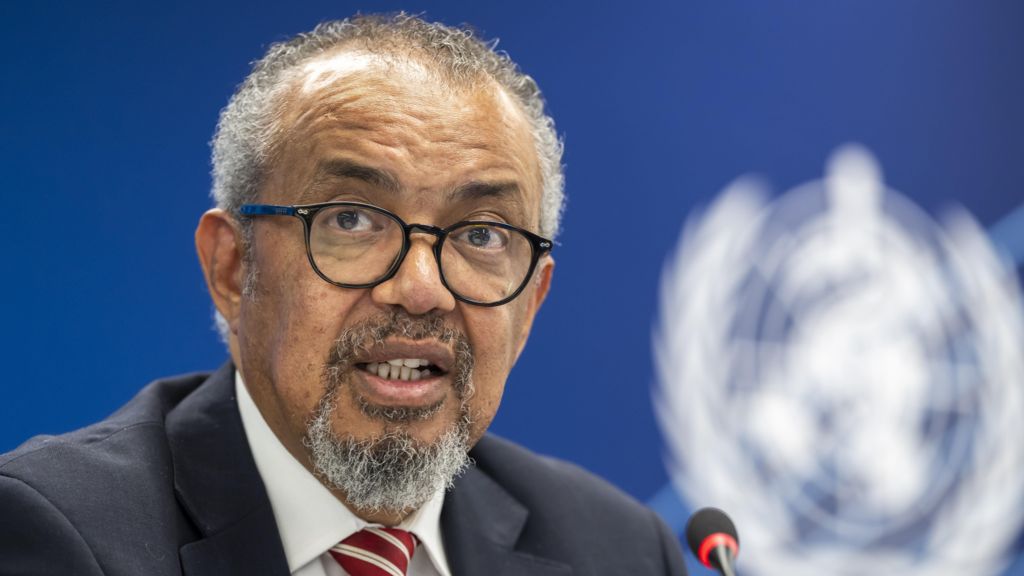
Tedros Adhanom Ghebreyesus, the director-general of the World Health Organization (WHO), stated on Wednesday that the current Ebola outbreak in the Democratic Republic of Congo is on pace to become the deadliest in history. The outbreak has resulted in more than 2,000 deaths and at least 4,300 cases since it was officially declared on May 15. Tedros noted that if the current rate of infection continues, the total fatalities will surpass the 11,000 deaths recorded during the 2014-2016 epidemic.
Health officials reported this week that while the epidemic was declared in May, they believe the virus began spreading in February. Dr. Mohamed Janabi, the WHO Africa director, explained that the virus was initially misdiagnosed as malaria or typhoid. This delay has allowed the virus to spread ahead of containment efforts. The current outbreak involves the Bundibugyo species of Ebola, a rare strain that has only caused two previous known outbreaks in 2007 and 2012.
There are currently no approved vaccines or recognized therapeutic drugs for the Bundibugyo species. Control efforts in eastern DR Congo are further complicated by regional instability, which health officials say has limited health workers to reaching only about 30% of cases. To address the lack of treatment, the UK’s Medicines and Healthcare products Regulatory Agency (MHRA) has authorized the first human trials for a vaccine developed by the University of Oxford. Additionally, the WHO is sponsoring clinical trials in DR Congo for two antiviral therapies.
For an individual in the affected region, the day-to-day reality involves a high risk of contracting a disease that presents with sudden flu-like symptoms, such as fever and exhaustion, before progressing to organ failure. Because Ebola spreads through contact with bodily fluids, residents must navigate changes to how they interact with the sick and how they manage hygiene. The lack of an approved vaccine for this specific strain means that, unlike previous outbreaks where the Ervebo vaccine was used, individuals currently have no preventative medical protection.
The knock-on effects of this outbreak include a strain on international health resources as the WHO attempts to implement transmission controls within a three-month target. The situation sets a precedent for how global health organizations respond to rare strains of Ebola that lack established treatments. What happens next depends on the success of the Oxford vaccine trials and the WHO-sponsored antiviral trials currently underway. The WHO aims to bring transmission under control by November 2026, though they cautioned this would not signify a total end to the outbreak.