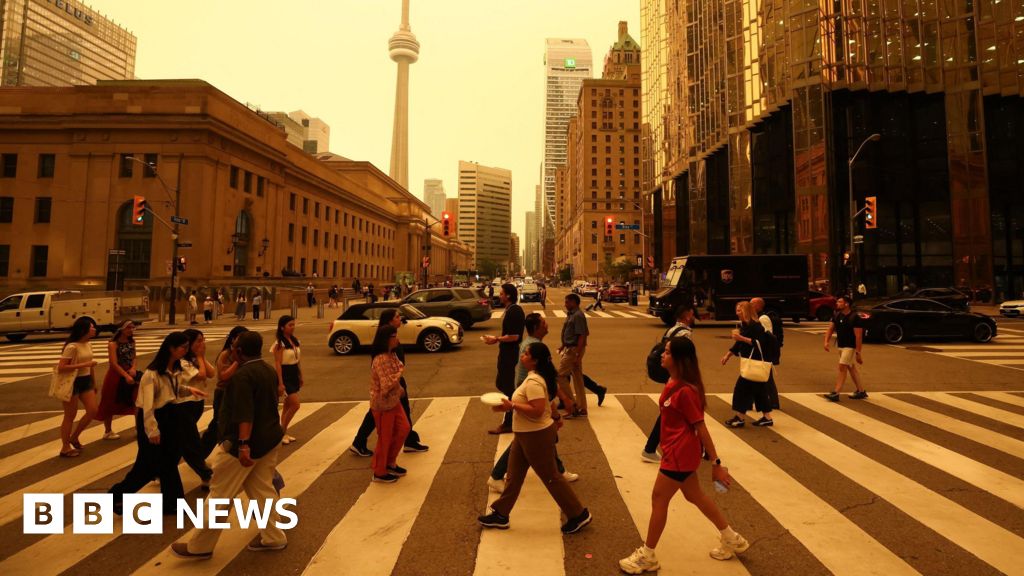
Wildfires burning across Ontario and Minnesota have triggered air quality alerts and evacuation orders across Canada and the northeastern United States. According to the Canadian Interagency Forest Fire Centre, there are currently 858 active fires in Canada, with nearly 200 located in Ontario. In Minnesota, 17 fires are active along the northern border, where an emergency declaration has been issued to facilitate suppression efforts.
Smoke from the fires has reached major metropolitan areas including Toronto, New York City, and Boston. Data from IQAir recently ranked Detroit, Toronto, and Minneapolis as having the worst air quality in the world. Health officials, including the New York State Department of Health, have advised residents to limit strenuous outdoor activity and remain indoors. The smoke contains PM2.5 particles, which can cause respiratory inflammation and exacerbate chronic heart or lung conditions.
In Ontario, six communities have been placed under evacuation orders. Grand Council Chief Linda Debassige reported that the Namaygoosisagagun First Nation in northern Ontario suffered severe damage to homes and community buildings. Meteorological reports attribute the increase in fire activity to a "heat dome" caused by high pressure, which resulted in below-average rainfall and dry vegetation that acts as fuel.
Atmospheric forecasts indicate that smoke plumes will continue to move southeast, potentially affecting Virginia and North Carolina through Friday. Local governments in affected regions have activated emergency protocols, which include the distribution of N95 masks and the issuance of air quality health indexes. Officials stated that a second plume of smoke is expected to reach New York and Boston by Thursday evening.